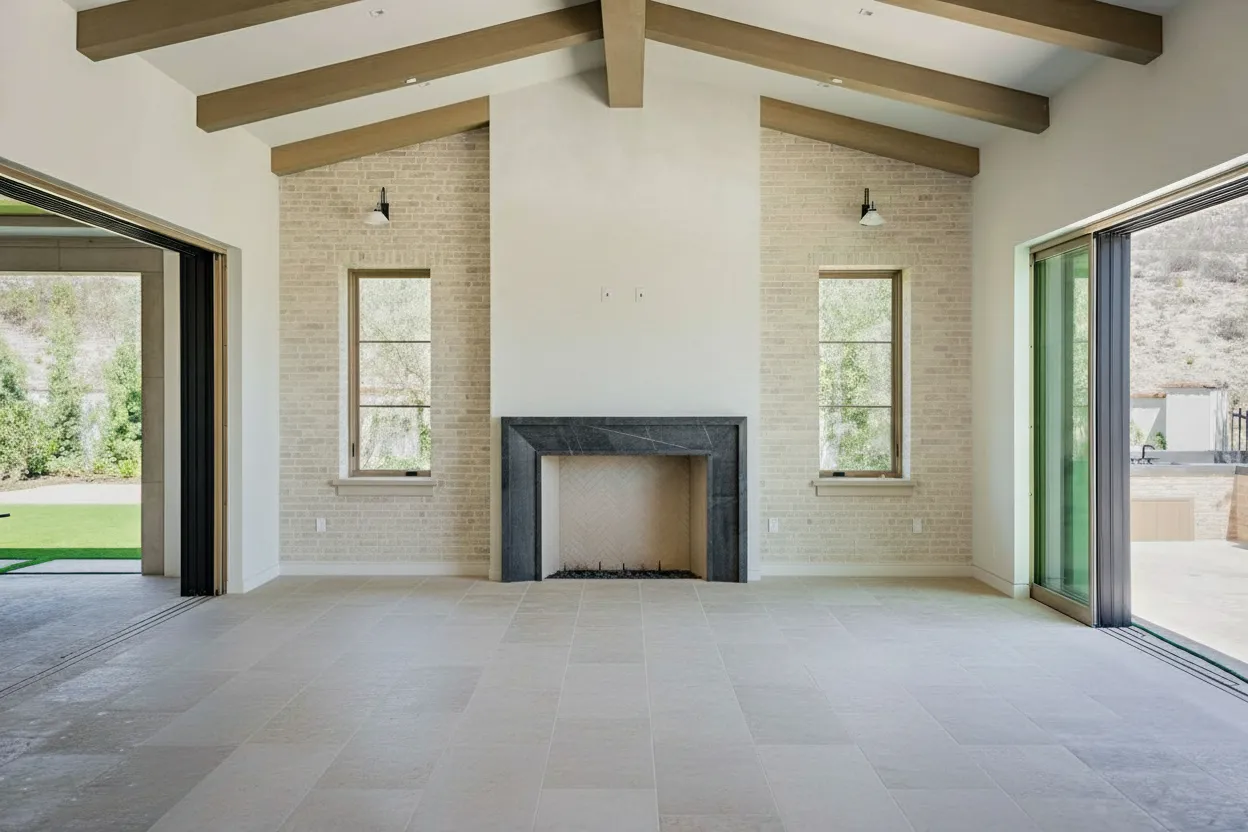
A gray and cream living room isn’t just a passing trend—it’s one of the most reliable tools in a real estate agent’s sales kit. When we stage a home, our job is to create a space where buyers can immediately see themselves living. This sophisticated palette does exactly that, creating a neutral yet warm canvas that often translates into quicker sales and stronger offers.
The Winning Formula: Why Gray and Cream Sells Homes
The goal of staging is always to appeal to the broadest audience possible. You’re looking for that perfect backdrop that feels modern and high-end but doesn’t scream a specific style that could turn off potential buyers. This is exactly where a gray and cream combination shines.
This pairing just works. Gray provides a solid, sophisticated foundation, while cream brings in the warmth and light needed to keep the room from feeling stark or uninviting. The result is an atmosphere of quiet, accessible luxury that has a proven track record with buyers across demographics.
Tapping into Buyer Psychology
So, what makes this color scheme so effective? It’s all rooted in how buyers perceive a space.
A bold, colorful room is a gamble—some might love it, but many will be immediately put off. A neutral gray and cream design sidesteps this problem completely. It acts as a clean slate, encouraging buyers to imagine their own furniture and lives in the room, rather than being distracted by the seller’s personal taste.
Lighter colors are also your best friend for making a space feel bigger. Soft grays and creamy whites are fantastic at reflecting light, which instantly makes a living room feel larger, brighter, and more open. Those are three of the most common words on any homebuyer’s wish list. This simple color choice can subtly boost a property’s perceived value, signaling to buyers that the home is well-cared-for and thoughtfully presented.
Understanding the subtle messages these colors send can give you a real edge.
Gray and Cream Palette Psychology for Home Buyers
This table breaks down why these specific shades resonate so strongly with buyers.
| Color Element | Psychological Impact on Buyers | Best Application in a Living Room |
|---|---|---|
| Soft Grays (Dove, Greige) | Creates a sense of calm, stability, and modern elegance. Feels clean and orderly. | Main wall color, large area rugs, or a primary sofa. |
| Charcoal & Slate Grays | Adds depth, drama, and a sophisticated, grounding anchor to the room. | Accent walls, throw pillows, picture frames, or a statement armchair. |
| Cream & Off-White | Evokes warmth, comfort, and softness. Prevents grays from feeling too cold. | Trim and molding, plush textiles like blankets and curtains, or accent chairs. |
| Beige & Tan Accents | Introduces an earthy, natural element that feels reassuring and timeless. | Woven baskets, linen pillows, light wood furniture, or natural fiber rugs. |
Using these elements together, you’re not just decorating—you’re strategically crafting an emotional response that makes a house feel like a home.
The market data consistently backs this up. In 2026, gray was confirmed as one of the top three most popular colors for living rooms. We saw searches for ‘gray living room ideas’ jump by 25% year-over-year, and perhaps most importantly, listings featuring gray walls sold an average of 12% faster on major real estate platforms. For more on color trends, Country Living offers some great analysis on what buyers are looking for.
This isn’t just about making a room look pretty; it’s a calculated marketing move. A gray and cream living room helps buyers form an emotional connection, making it that much easier for them to envision handing you an offer.
This palette is a proven performer. By neutralizing the space, you’re not taking away the personality—you’re making room for the buyer to bring their own. You can see just how powerful this transformation can be in our gallery of staging before-and-after photos.
Choosing the Perfect Shades of Gray and Cream
The success of a gray-and-cream living room really boils down to one crucial detail: picking shades that actually work together. It sounds simple, but not all grays and creams are created equal. The secret is getting a handle on their undertones—those subtle hints of warm or cool color lurking beneath the surface.
Getting this wrong is a common mistake. If you pair a cool, steely gray with a warm, yellow-based cream, the entire room can feel off and disjointed. For a truly harmonious space, you need to match the temperature. A warm gray, often called “greige,” has beige or brown undertones that blend seamlessly with creamy, off-white shades. On the flip side, a cool gray with blue or violet undertones looks sharp and sophisticated next to a crisp, clean cream that has very little yellow in it.
Mastering the Undertones
Before you even think about committing to a gallon of paint, you have to see how it behaves in your specific room. Natural light is the biggest variable here. A north-facing room gets cool, blueish light all day, which can make some grays feel icy and unwelcoming. In contrast, a south-facing room is flooded with warm, golden light that can really bring out the yellow in a cream paint.
The best way to test? Hold your paint swatches right up against the biggest “fixed” elements in the room, like your flooring or a stone fireplace. If you’re working with warm oak floors, a greige like Benjamin Moore’s Revere Pewter will feel instantly cohesive. But if the room has cool-toned tile, a gray like Sherwin-Williams’ Repose Gray will likely be a much better match.
Remember, getting the palette right isn’t just about aesthetics; it’s a strategic move that directly impacts your sale. A well-chosen staging palette is proven to attract more buyers, leading to a faster sale at a higher value.

Applying the 60-30-10 Rule
To get that balanced, professional look, lean on the classic 60-30-10 rule. It’s a tried-and-true design principle that helps you distribute color with intention, so nothing feels accidental.
Here’s the breakdown:
- 60% Dominant Color: This is your foundation, which almost always means the walls. A soft, warm gray or an inviting greige is perfect for this.
- 30% Secondary Color: Next up is your cream. Apply this to larger furniture pieces like the sofa, an area rug, or the window drapery to create contrast and softness.
- 10% Accent Color: This is where you inject a little personality. Your accent is for the small stuff—throw pillows, vases, artwork, and other decorative objects.
For a timeless gray-and-cream scheme, a pop of deep charcoal or even a muted blue can work as a stunning accent. If you want to warm things up, think about bringing in rich wood tones or subtle metallics like brass. While our focus here is gray and cream, knowing how other colors play along is crucial. For more ideas on using cool tones, check out our guide to blue-grey interior design.
Pro Stager Tip: Always, always test paint samples on multiple walls within the same room. I’ve seen the same color look completely different in a sunny corner versus a shaded one. Spending a few dollars on samples now can save you from a very costly and time-consuming repainting job later.
Bring Your Room to Life with Texture

Once you’ve nailed down your shades of gray and cream, the real magic happens. This is where you start layering in texture. Without it, a gray and cream space can look disappointingly flat in photos, almost sterile. Texture is what gives the room a soul, creating a tactile experience that pulls potential buyers right through their screens.
Think about how you’d put together a great outfit. You wouldn’t just wear all cotton. You’d mix in denim, maybe some silk, or a chunky wool sweater to create interest. The exact same idea applies to staging a living room. Your job is to combine different surfaces that catch the light in different ways, adding a visual weight and depth that a camera loves.
Start with the Big Surfaces
Your first move should be to address the largest surfaces in the room—the floors and windows.
A plush, high-pile area rug is one of the fastest ways to ground a seating area. Go for a soft cream or a blended gray-and-cream pattern. It immediately adds warmth and provides a soft counterpoint to hardwood or tile, making the whole conversational zone feel more intentional and cozy.
Next, look at the windows. Ditch the basic blinds and hang floor-to-ceiling curtains. A material like linen brings an organic, airy vibe, while a light velvet adds a touch of undeniable luxury. Either choice will soften the room’s edges.
Layer in the Details
Now for the fun part: layering in the smaller, more tactile elements that really make a room sing. This is where you can take a simple gray sofa and make it look like a high-end designer piece.
Let’s say you’re staging a room with a standard gray fabric sofa. To give it that photogenic wow factor, you’ll want to add a curated mix of pillows and throws.
- Chunky Knits: A thick, woven blanket draped casually over an armchair or the corner of the sofa adds instant, touchable coziness.
- Rich Fabrics: Bring in a couple of deep charcoal velvet pillows or a cream-colored bouclé cushion. These materials have a rich texture that absorbs and reflects light beautifully in photos.
- Sleek Contrasts: A smooth tan or cognac faux leather pillow can add a structured, modern edge that cuts through all the softness.
For a quick reference, here’s a simple guide to pairing materials to achieve a specific vibe when staging.
Texture and Material Pairing Guide
| Desired Style | Primary Textures | Accent Materials | Pro Staging Tip |
|---|---|---|---|
| Modern Farmhouse | Linen, chunky knit, distressed wood | Matte black metal, woven jute or seagrass | Keep the lines clean and the textures organic. Less is more. |
| Luxe & Glam | Velvet, silk, faux fur, bouclé | Polished brass, chrome, mirrored surfaces | Focus on materials that feel rich and reflect light for a high-end feel. |
| Cozy & Minimalist | Soft wool, fleece, smooth cotton | Light natural wood, frosted glass, ceramics | Use a tight color palette and let the subtle textures provide the interest. |
| Industrial Chic | Worn leather, exposed brick (if present) | Raw steel, dark wood, concrete elements | Contrast the hard, cool materials with a few soft textiles to avoid a cold look. |
Mastering these combinations is key to creating a space that looks professionally designed and feels aspirational to buyers.
A well-staged gray and cream living room is a masterclass in subtlety. The magic isn’t just in the colors themselves, but in the interplay of materials—the way a soft knit throw rests against a smooth leather chair, or how a matte black lamp stands out against a creamy, textured wall.
And don’t stop at textiles! A warm, natural wood coffee table will introduce an organic element that keeps the grays from feeling too cold or industrial. You can then accent that table with a small tray holding metallic objects, like a small brass bowl or a silver decorative sphere. That sharp gleam of metal adds a polished, modern touch that completes the entire look.
These thoughtful combinations are what separate an average listing from a stunning one. For more inspiration on putting it all together, check out our guide to living room decor ideas.
Furniture Layouts That Maximize Space and Flow

You can have the most beautiful shades of gray and cream and the most luxurious textures, but if the furniture layout feels clumsy, the whole design falls flat. When we’re staging for real estate photos and showings, the two things that matter most are creating a clear traffic flow and making the room feel as big as possible.
The most common mistake I see is furniture pushed right up against the walls. It’s an intuitive choice—it seems like it would open up the room. In reality, it just creates a dead, awkward space in the middle and makes the room feel unfinished.
The pro move? Create inviting conversational zones. Pull your sofa and chairs away from the walls and group them together. This one simple change instantly gives the room a sense of purpose and helps buyers visualize themselves actually living there.
Getting the Placement Just Right
Once you’ve floated your main pieces, it’s time to dial in the details that create a balanced, photogenic composition. Getting these measurements right is a stager’s secret weapon for making a room look polished and professionally designed.
-
The Area Rug Anchor: Your rug needs to be large enough to anchor the space. At a minimum, the front legs of the sofa and all the chairs in the grouping should be on the rug. A rug that’s too small will make the room look disconnected and feel smaller.
-
Coffee Table Proximity: Keep about 14 to 18 inches of space between the edge of your coffee table and the sofa. This leaves enough room for people to walk through but keeps the table close enough to be useful.
-
Artwork at Eye Level: When hanging art, the center of the piece should be about 57 inches from the floor. This is the standard gallery height and ensures the art feels integrated with the furniture, not floating randomly on the wall.
The goal is to create layouts that not only look fantastic on camera but also feel natural when you walk through the space. Clear, unobstructed pathways are absolutely non-negotiable. A potential buyer should be able to move from one doorway to another without ever having to sidestep a chair or table.
If you’re struggling to visualize the best arrangement, a digital living room planner can be a lifesaver. These tools let you experiment with different layouts without having to move a single heavy piece of furniture.
This kind of strategic placement is what transforms a collection of furniture into a cohesive, functional living room. It shows buyers that every detail has been considered, which immediately elevates the home’s appeal and its perceived value.
From Empty Room to Dream Listing with AI
All the design theory in the world doesn’t mean much until you put it into practice. This is where we bridge the gap between an empty, uninspiring room and a listing photo that makes buyers stop scrolling. With AI-powered tools like BrightShot, we can now accomplish in minutes what used to take weeks of coordination and a hefty staging budget.
Let’s say you’re starting with a photo of a vacant living room. It has good bones, but it’s totally lacking warmth or a sense of home. Or maybe you’re dealing with a cluttered, owner-occupied space that hides the home’s best features. The first move is simple: upload your photo. The AI immediately gets to work, automatically correcting the lighting and colors to create a bright, crisp foundation. This first pass alone can make a world of difference.
Crafting the Gray and Cream Vision
With your enhanced photo ready, it’s time for the fun part—the virtual staging. This is where our gray and cream living room concept comes to life. Instead of trying to guess which sofa will fit or what rug looks best, you can pull from a huge digital library of photorealistic furniture.
You can drop in a stylish, light gray sectional, anchor the space with a soft cream area rug, and add a warm wood coffee table for that crucial organic touch.
This is where you can really dial in a specific theme. BrightShot, for example, has over 80 distinct interior styles you can apply instantly.
- Modern Farmhouse: Go for a plush greige sofa, a rustic wood coffee table, and matte black accents on light fixtures or picture frames.
- Scandinavian: Try a sleek, light gray sofa with clean lines, a minimalist cream rug, and furniture made from light-toned woods.
The ability to mix and match elements lets you create a look that feels custom-fit to the property, which is a huge leap from the cookie-cutter virtual staging of the past. To take it a step further, integrating a powerful real estate AI platform can help manage your entire marketing push and get these beautiful new images in front of the right buyers.
Achieving Photorealistic Results
At the end of the day, the final images are what count. The best AI tools generate MLS-compliant photos that are stunningly realistic, complete with natural-looking shadows and textures that feel authentic. A process that once required a professional stager and photographer can now be handled from your laptop in a few minutes.
By using AI for virtual staging, you’re not just saving money; you’re creating a powerful marketing asset. These aspirational images allow potential buyers to connect emotionally with the space, helping them see it as their future home, not just another empty house.
This workflow is your playbook for getting premium results without the usual costs and logistical headaches. It takes the guesswork out of staging and gives you the power to present every single property in its absolute best light.
If you want to explore the technology behind it, looking into different types of real estate virtual staging software will give you a broader view of what’s possible. The right tools make executing a perfect gray and cream living room design both incredibly simple and highly effective.
Answering Your Gray and Cream Design Questions
You’ve got the vision, but when you’re actually on-site staging a home, the practical questions start popping up. It’s one thing to choose a palette; it’s another to make it work in a real space. Let’s walk through some of the most common hurdles I see agents and stagers face with this color scheme.
How Do I Stop It from Looking Cold or Boring?
This is, without a doubt, the number one fear with any neutral design. A gray and cream room falls flat when it lacks sensory depth. The secret to breathing life and warmth into it is an abundance of texture.
You have to think in layers. Contrast soft, cozy elements—like a chunky knit blanket or some plush bouclé pillows—with harder, sleeker surfaces. A warm wood coffee table does wonders. So do small touches of matte black metal in a light fixture or picture frame. And please, don’t overlook your lighting. A single overhead light is a recipe for a sterile room. You need a mix of ambient, task, and accent lights, all fitted with warm-toned bulbs (around 2700K) to cast a welcoming glow, not a clinical glare.
A great gray and cream room never feels empty; it feels intentional. If you do nothing else, bring in a large, textured area rug to ground the seating area and add a few live green plants. That pop of organic life is non-negotiable.
What Are the Best Accent Colors to Use?
Think of gray and cream as your foundation. They’re the main event, but they need a supporting cast to truly shine. For a look that will appeal to the broadest range of buyers, I always stick with muted, earthy accent colors.
Some of my go-to, market-friendly options include:
- Dusty Blue: It gives a calm, coastal vibe that feels sophisticated, not kitschy.
- Sage Green: This adds a soft, organic touch that’s very on-trend and soothing.
- Warm Terracotta: A fantastic choice for bringing in a bit of earthy warmth, especially with greige tones.
For a timeless bit of contrast, you can’t beat small, strategic pops of black. Try it in the thin frames of your artwork, the legs of an accent chair, or a slender floor lamp. Metallic accents are also your friend here. Warm brass or gold can add a touch of luxury, while matte black feels more modern and sharp. The key is restraint. Use these accents in small doses—a few pillows, a single vase, one piece of art—so they complement the main palette instead of fighting it.
Is AI Virtual Staging Really Good Enough for High-End Listings?
It absolutely is, and frankly, for many high-end properties, it’s the smarter choice. The photorealism of today’s best AI platforms, like BrightShot, is more than enough for the luxury market. But the real game-changer is customization.
With physical staging, you’re stuck with whatever furniture is in the warehouse. Using AI, you can hand-pick from a massive digital library of designer furniture that perfectly fits the home’s architecture and price point. BrightShot has over 80 curated styles, like “Luxe,” “Contemporary,” and “Scandinavian,” letting you build a bespoke look that feels aspirational and genuinely expensive. It’s how you get a premium result without the six-figure staging budget and logistical nightmares.
My Living Room Has Beige Carpet. Can I Still Use Gray?
Ah, the classic beige carpet dilemma. I run into this all the time, and yes, you can absolutely make it work. The trick is to create a visual bridge between the warm beige floor and the cooler gray you want to introduce.
Whatever you do, don’t paint the walls a cold, steely gray—it will clash horribly. Your best bet is to choose a “greige,” which is a gray that has warm beige undertones baked right in. This will immediately harmonize the walls with the floor. From there, you can bring in cooler creams and lighter grays through your furniture and textiles to create that modern feel. A large area rug that features a mix of both cream and gray is the perfect finishing touch to tie the whole room together.
Ready to turn that empty or dated listing into a perfect gray and cream living room in just a few clicks? With BrightShot, you can use AI to virtually stage any room, fix the lighting, and get stunning, photorealistic images that make buyers stop scrolling. Try it for free and see just how simple it is to elevate your marketing.