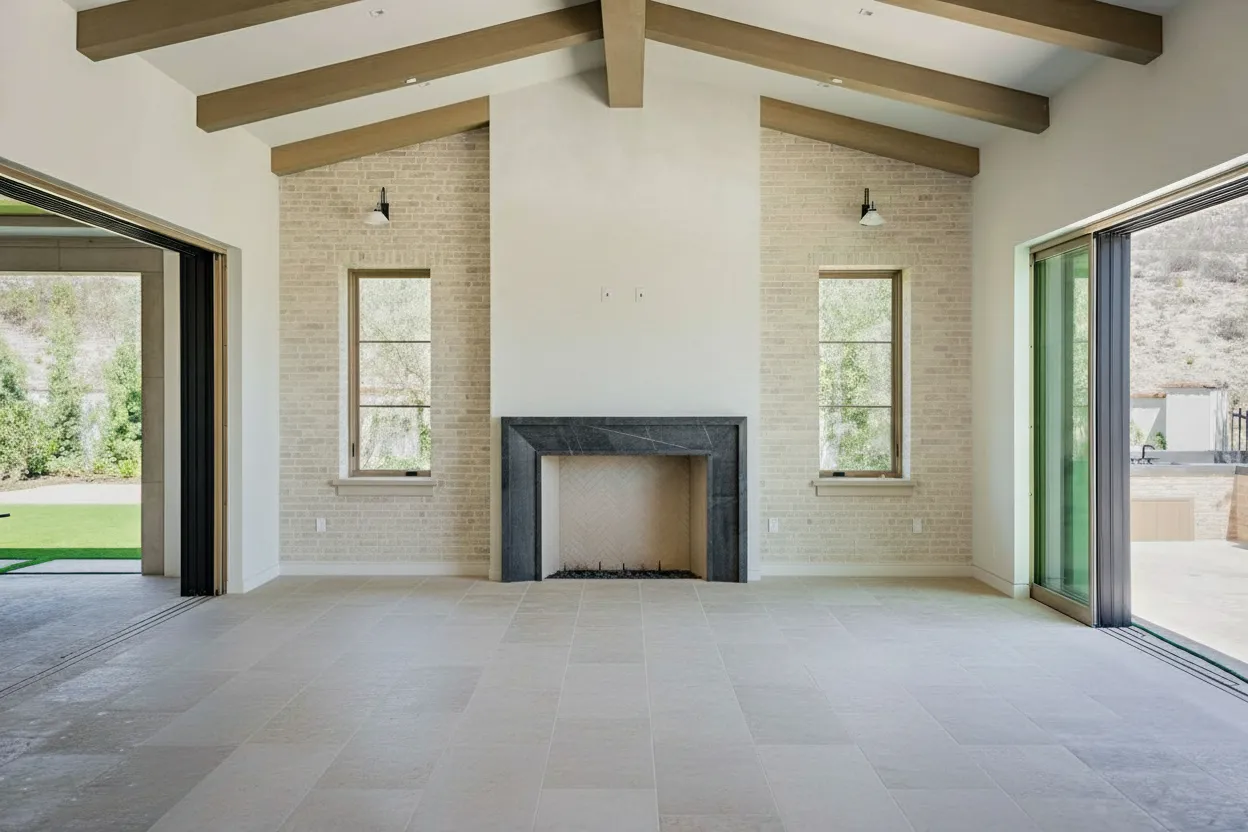
Your home’s exterior is more than just walls and windows; it’s the first chapter of its story. The elevation, the view of a building from one side, is the primary element that defines curb appeal, sets architectural tone, and communicates a home’s character to the world. A well-executed facade design creates an immediate emotional connection. Understanding how different house elevation designs define a home’s first impression is key to making choices that can ultimately help increase property value.
However, visualizing how a flat drawing will translate into a three-dimensional, living structure can be challenging. From selecting the right materials for a Modern Minimalist home to achieving the perfect rustic charm for a Farmhouse style, every choice impacts the final look.
This guide explores 10 distinct house elevation designs, providing actionable insights into their key features, common pitfalls to avoid, and material recommendations. We will also show how to effectively present these concepts using advanced tools like BrightShot, which can generate photorealistic before-and-after mockups, swap styles instantly, and perfect lighting to bring your vision to life long before any physical changes are made.
1. Modern Minimalist Facade
A modern minimalist facade is a powerful statement in residential architecture, focusing on geometric precision and intentional simplicity. This style strips away ornamentation to celebrate form, material, and light. It is characterized by clean, unbroken lines, flat or low-pitch rooflines, and a restrained color palette, often featuring shades of white, gray, black, and natural wood tones. These house elevation designs prioritize an uncluttered visual field, letting the structural integrity and high-quality materials speak for themselves.

The strength of this design lies in its honesty and clarity. Expansive glass panels are a key feature, erasing the boundary between indoors and out while flooding interiors with natural light. Materials like smooth concrete, steel beams, and composite cladding are common, chosen for their sleek texture and durability. Think of Richard Neutra’s iconic California residences or the serene, concrete-formed homes by Tadao Ando in Japan; both are prime examples of minimalism’s lasting impact.
How to Present This Design Effectively
To truly capture the essence of a minimalist elevation for a client or listing, the visual presentation is critical. The clean geometry must look sharp, and the interplay of light and shadow needs to be dramatic.
- Highlight Geometric Purity: Use a tool like BrightShot to employ perspective correction. This ensures all vertical and horizontal lines are perfectly straight, preventing distortion that can detract from the design’s core appeal.
- Emphasize Window Reflections: The large glass surfaces are a focal point. Correcting or augmenting window reflections can make the facade feel more alive and connected to its environment.
- Create Dramatic Atmosphere: A simple sky replacement can turn a standard daytime shot into a striking dusk or twilight image. This technique makes architectural lighting features pop and gives the property a high-end, aspirational quality.
2. Mediterranean Revival Elevation
A Mediterranean Revival elevation brings the sun-drenched romance of Southern Europe to residential architecture. This style is defined by its warm, earthy color palette, low-pitched terracotta tile roofs, and smooth stucco exteriors. It celebrates Old World charm with distinctive features like arched windows and doorways, wrought-iron balconies, and lush courtyards. These house elevation designs create an inviting, resort-like atmosphere that feels both elegant and relaxed.
The appeal of this design is its connection to a leisurely, indoor-outdoor lifestyle. Columned porticos, shaded loggias, and private gardens are integral elements, blurring the line between the home and its natural surroundings. The style is prominent in places like the historic estates of Palm Beach and Montecito, where the architecture complements the coastal climate. Its rustic textures and ornamental details provide a sense of history and permanence.
How to Present This Design Effectively
To showcase a Mediterranean home, the presentation must emphasize its warmth, texture, and connection to the landscape. The goal is to transport potential buyers to a seaside villa or a tranquil country estate.
- Create a Pristine First Impression: An unkempt yard or cluttered patio can detract from the home’s charm. Use intelligent decluttering to digitally remove distracting items like toys or excess furniture. A lawn replacement can also ensure the surrounding greenery looks immaculate.
- Enhance Authentic Colors and Textures: The style’s beauty is in its materials. Apply lighting correction to bring out the rich, warm tones of terracotta tiles and the subtle texture of the stucco walls, making the home feel vibrant and sun-kissed.
- Showcase Outdoor Living: These properties often feature stunning courtyards and patios. Use virtual staging to furnish these outdoor spaces, helping clients visualize themselves enjoying an al fresco dinner or relaxing by a fountain.
3. Contemporary Glass and Steel
A contemporary glass and steel elevation is a bold declaration of structural honesty and transparency. This cutting-edge style celebrates industrial materials by putting them on full display, featuring extensive glazing and exposed steel beams or columns as primary design elements. The aesthetic blurs the line between inside and out, creating a seamless flow that emphasizes openness and light. These house elevation designs are defined by their dramatic visual interest, born from the striking contrast between transparent glass and the raw strength of steel.
The power of this design is in its architectural expression. Think of the sleek penthouses in New York or the stunning modern homes dotting the hills of Los Angeles; their structures are not hidden but are integral to the aesthetic. Frameless or minimal-frame windows dominate the facade, making interiors feel boundless. This approach is particularly effective in locations with dramatic views, as seen in many contemporary beach house designs, where the ocean becomes a part of the interior landscape.
How to Present This Design Effectively
Because of its transparency, presenting a glass and steel home requires careful attention to both the exterior and the visible interior. The goal is to highlight the home’s connection to its surroundings and its dramatic, illuminated presence.
- Showcase Interior Potential: The vast glass walls put interiors on display. Use a tool like BrightShot to add virtual staging, populating empty spaces with stylish furniture to help clients visualize living in the open-concept environment.
- Emphasize Structural Drama: Dramatic cantilevers and bold steel frames are key features. Perspective correction ensures these architectural elements appear powerful and geometrically precise, conveying the true design intent.
- Create a Striking Nighttime View: A day-to-dusk conversion is exceptionally effective for these homes. It transforms the property into a glowing lantern, highlighting interior lighting and showcasing how the house becomes a beacon of modern design after sunset.
4. Farmhouse and Rustic Barn Style
The farmhouse and rustic barn style celebrates rural heritage and countryside aesthetics, merging pastoral simplicity with modern comfort. These house elevation designs are defined by their charming and practical features, including pitched metal roofs, board-and-batten siding, and reclaimed wood accents. This style evokes a sense of tradition and connection to the land, often featuring large covered porches, prominent stone chimneys, and expansive windows that frame scenic views.

This design’s appeal lies in its warm, inviting, and unpretentious character. The material palette is key, with white or natural wood exteriors creating a clean backdrop for rustic textures. From converted barns in Pennsylvania to modern farmhouse developments in the Texas Hill Country, this style is adaptable and timeless. You can explore more about achieving this look by reading about rustic farmhouse exteriors. Its blend of old and new makes it a popular choice for those seeking a tranquil, family-oriented home.
How to Present This Design Effectively
To properly market a farmhouse property, the visuals must convey its connection to the land and its welcoming atmosphere. The focus should be on creating a narrative of comfort, space, and pastoral beauty.
- Showcase Manicured Grounds: Use lawn replacement to instantly create a pristine, lush green yard. This highlights the property’s potential for gardening and outdoor living, a key selling point for this style.
- Remove Distractions: Employ intelligent decluttering to clear away yard equipment, seasonal decorations, or other items that detract from the home’s curated, rustic charm.
- Enhance Warmth and Ambiance: A sky replacement can transform a flat, midday shot into a breathtaking dusk scene. This accentuates the warm interior lighting seen through the windows and creates a cozy, aspirational image.
- Stage Outdoor Living Areas: Use virtual staging to furnish the large porches and patios with inviting furniture. This helps potential buyers envision themselves relaxing and enjoying the property’s serene setting.
5. Colonial and Traditional Architecture
Colonial and Traditional architecture offers a timeless and stately house elevation design rooted in American heritage. This style is defined by its unwavering commitment to symmetry, balance, and classical proportions. Key features include a centered front door, often accented with a decorative pediment, flanked by multi-pane double-hung windows arranged in a balanced grid. Pitched roofs, brick or clapboard siding, and decorative elements like shutters and cornices complete the distinguished look.
The enduring appeal of Colonial design comes from its sense of order and historical gravitas. From the grand estates of New England to the charming townhomes of Georgetown, this architectural style evokes a feeling of permanence and elegance. Modern interpretations may simplify certain details, but they retain the core principles of a symmetrical facade and classic materials, ensuring the design remains a popular choice in suburbs across the nation.
How to Present This Design Effectively
To properly market a Colonial home, the presentation must highlight its historical charm, symmetry, and stately details. The goal is to create visuals that feel both pristine and authentic, celebrating the property’s architectural integrity.
- Emphasize Architectural Details: Use a tool like BrightShot to apply lighting correction. This can draw attention to intricate dentil molding, window trim, and the entry portico, which might otherwise be lost in shadow.
- Create Perfect Curb Appeal: A lush, green lawn is central to the Colonial aesthetic. Apply lawn replacement to instantly fix patchy or brown grass, creating a perfectly manicured setting that complements the home’s classic facade.
- Showcase Symmetrical Grandeur: To fully appreciate the balanced design, use a perspective view swap. This allows you to present the home from an ideal, perfectly centered angle that reinforces its symmetrical composition and strong curb appeal.
6. Mid-Century Modern Elevation
A mid-century modern elevation is a timeless architectural choice that blends organic forms with clean, functional lines. This design movement, which gained prominence from the 1940s to the 1960s, prioritizes a deep connection with nature. Its house elevation designs are notable for flat or gently sloped rooflines with dramatic overhangs, an emphasis on horizontal planes, and the honest expression of materials like wood, stone, and glass. The goal is to create a seamless transition between the interior and the surrounding landscape, resulting in spaces that feel both expansive and warm.

The enduring appeal of this style is evident in iconic examples like the Eichler homes in California and the experimental Case Study Houses in Los Angeles. These residences celebrate structural simplicity and functional elegance. Large expanses of glass, clerestory windows, and open-plan layouts are key elements that blur the lines between inside and out. The material palette often includes natural wood siding, exposed beams, and brick or stone accents, creating a rich textural contrast that grounds the home in its environment.
How to Present This Design Effectively
Showcasing a mid-century modern property requires emphasizing its architectural significance and unique relationship with its setting. The presentation must highlight the clean geometry and organic warmth that define the style.
- Highlight the Indoor-Outdoor Connection: Use perspective swaps to create views that look from the interior living spaces out into the garden or patio. This visual technique powerfully demonstrates the seamless flow that is central to the design philosophy.
- Emphasize Architectural Lines at Twilight: Apply a day-to-dusk conversion to make the home’s interior lighting glow. This creates a dramatic silhouette of the roofline and overhangs, giving the property a high-end, cinematic feel that attracts discerning buyers.
- Showcase with Period-Appropriate Staging: Use virtual staging to furnish empty interiors with mid-century modern furniture. This helps potential buyers visualize themselves in a cohesive, stylish space and underscores the home’s architectural pedigree.
7. Contemporary Craftsman and Transitional
The Contemporary Craftsman elevation is a thoughtful blend of traditional American craftsmanship and modern design principles. This transitional style honors the authentic details of the classic Craftsman home, such as exposed beams, tapered columns, and decorative brackets, but presents them with cleaner lines and a more refined material palette. It creates a warm, inviting facade that offers both historical character and contemporary functionality, making it a popular choice in new construction across suburban and mountain communities.
The appeal of these house elevation designs is in their balance. Instead of heavy ornamentation, the focus is on high-quality natural materials like wood, stone, and fiber cement siding, often in earthy, muted tones. Think of the modern Craftsman revival projects in Portland and Seattle or the transitional homes of Austin and Denver; they all celebrate texture and structural honesty. This approach avoids the starkness of pure modernism while remaining uncluttered and sophisticated.
How to Present This Design Effectively
To properly market a Contemporary Craftsman home, visuals must convey quality, texture, and warmth. The photography should feel both grand and intimate, highlighting the fine details that define the style.
- Showcase Material Quality: Use a tool like BrightShot for intelligent lighting correction to draw attention to the texture of stone, wood grain, and siding. Detail shots are critical for showing the quality of the craftsmanship.
- Create an Inviting Atmosphere: A simple lawn replacement can make the natural material palette feel more lush and grounded. Pairing this with a sky replacement for a warm dusk setting will emphasize the home’s cozy, welcoming character.
- Emphasize Architectural Details: Employ perspective view swaps to find the perfect angle that accentuates key features like tapered columns, roof brackets, or a prominent entryway, giving these details the focus they deserve.
8. Luxury Modern with Sustainable Features
A luxury modern elevation with sustainable features merges high-end design with ecological responsibility. This forward-thinking style is defined by its visible commitment to green technology, showcasing elements like photovoltaic panels, living green walls, and energy-efficient glazing as integral parts of the aesthetic. Rather than hiding these features, the design celebrates them, communicating both opulence and a sophisticated environmental consciousness. It appeals directly to discerning buyers who value both architectural beauty and long-term sustainability.
The core of this approach is demonstrating that luxury and eco-friendly design are not mutually exclusive. Materials are chosen for their low environmental impact and high performance, such as reclaimed wood, recycled steel, and advanced composite siding. Prime examples include the net-zero-energy estates in Colorado or the climate-resilient luxury homes in Miami Beach, which integrate these elements seamlessly. These house elevation designs create a powerful narrative about future-proof living without sacrificing an ounce of style. As an added benefit, many sustainable choices also improve indoor air quality and natural lighting, a key consideration for houses designed for views.
How to Present This Design Effectively
Successfully marketing this elevation style requires a focus on both its aesthetic appeal and its intelligent, sustainable functionality. The visuals must convey a sense of modern comfort while clearly explaining the benefits of the green technologies.
- Showcase Living Elements: Green walls and living roofs are dynamic features. Use detailed photography or cinematic video to highlight their texture and vitality, showing how they integrate with the home’s architecture.
- Demonstrate Energy Efficiency: A day-to-dusk conversion is an excellent tool here. It can illustrate the home’s beautiful architectural lighting system while emphasizing the efficiency of its LED fixtures and the power generated by solar panels throughout the day.
- Highlight Key Sustainable Features: Employ perspective view swaps or callout graphics to draw attention to specific elements like a rainwater harvesting system or energy-efficient triple-pane windows, explaining their long-term value and savings.
9. Spanish Colonial and Pueblo Revival
A Spanish Colonial and Pueblo Revival elevation combines the rich heritage of Spanish architecture with the organic forms of Southwestern Native American building traditions. This style is defined by its substantial, earth-toned adobe or stucco walls, often featuring soft, rounded corners that mimic handcrafted structures. The aesthetic is grounded and deeply connected to its environment, creating house elevation designs that feel both historic and timelessly elegant.
Key characteristics include flat or low-pitched roofs punctuated by projecting wooden beams called vigas and small, deep-set windows that provide natural cooling. These homes frequently incorporate private courtyards, covered porches (portales), and decorative tilework, blurring the line between indoor and outdoor living. Iconic examples can be found throughout Santa Fe, New Mexico, and historic Southern California neighborhoods, where the style evokes a sense of permanence and regional identity.
How to Present This Design Effectively
The appeal of this style is its rustic warmth and the interplay of light on its textured surfaces. Visuals must convey this unique character without losing architectural detail in deep shadows.
- Brighten Deep-Set Shadows: The recessed windows and covered portales can create dark, obscuring shadows. Using a lighting correction tool like BrightShot can brighten these areas, revealing the full texture of the walls and the depth of the design without overexposing the rest of the image.
- Showcase Clean Courtyards: Integrated outdoor spaces are a major selling point. Intelligent decluttering can remove distracting yard items, presenting the courtyard as a serene, ready-to-use oasis.
- Emphasize Warmth and Ambiance: A day-to-dusk conversion is especially powerful for these homes. It highlights the warm glow of interior and exterior lighting against a dramatic sunset sky, creating an inviting and luxurious atmosphere.
10. Industrial Loft and Urban Contemporary
The Industrial Loft and Urban Contemporary elevation is a dynamic style celebrating raw materials and metropolitan heritage. It is defined by exposed structural elements, large factory-style gridded windows, and facades of brick or metal. This approach honors the architectural history of converted warehouses and factories while creating distinctive living spaces. Often found in vibrant urban renewal zones like Brooklyn’s DUMBO or Chicago’s West Loop, these house elevation designs merge utilitarian origins with modern residential function.
This design’s appeal comes from its authenticity and bold character. Materials are left in a state that reflects their purpose, from unfinished steel beams to weathered brickwork. For those drawn to this sleek, raw aesthetic, incorporating materials like residential polished concrete can define the facade and ground-floor areas with a unique, modern finish that complements the industrial theme. You can explore this style in more detail with our complete guide to industrial design.
How to Present This Design Effectively
Showcasing an industrial facade requires emphasizing its scale, texture, and urban context. The visuals must convey a sense of place and history while highlighting the property’s modern appeal.
- Emphasize Dramatic Window Walls: Use a perspective view swap in a tool like BrightShot to find the most powerful angle for showcasing the property’s large, grid-like windows. This makes the facade feel grand and imposing.
- Create an Urban Atmosphere: A day-to-dusk conversion is essential. It highlights the building’s lighting against a glowing city skyline, creating a cinematic and highly desirable image that speaks to the urban lifestyle.
- Showcase the Neighborhood Context: A 360° virtual tour can effectively show how the property integrates with the streetscape and surrounding neighborhood, which is a major selling point for this type of residence.
10-Style Comparison of House Elevation Designs
| Style | Complexity 🔄 | Resource Needs 💡 | Expected Outcomes ⭐📊 | Ideal Use Cases 📊 | Key Advantages ⚡ |
|---|---|---|---|---|---|
| Modern Minimalist Facade | High 🔄 (precision glazing, tight tolerances) | High 💡 (glass, concrete/steel, skilled contractors) | ⭐⭐⭐⭐ (strong visual impact; highly photogenic) 📊 | Urban/luxury listings, marketing-focused properties | ⚡ Clean visuals; timeless; virtual-staging friendly |
| Mediterranean Revival Elevation | Medium-High 🔄 (masonry, decorative details) | High 💡 (stucco, clay tile, landscaping) | ⭐⭐⭐⭐ (rich texture; aspirational appeal in warm regions) 📊 | Warm-climate luxury homes, coastal estates | ⚡ Photographs well; strong character and curb appeal |
| Contemporary Glass and Steel | High 🔄 (structural expression, thermal considerations) | Very High 💡 (extensive glazing, steelwork, HVAC/solar control) | ⭐⭐⭐⭐ (prestige aesthetic; cinematic marketing potential) 📊 | High-end urban penthouses, statement homes | ⚡ Dramatic transparency; strong market positioning |
| Farmhouse and Rustic Barn Style | Medium 🔄 (traditional carpentry, large openings) | Medium 💡 (wood, metal roofing, acreage/landscaping) | ⭐⭐⭐⭐ (warm, lifestyle-driven appeal) 📊 | Rural/suburban lifestyle properties, renovations | ⚡ High emotional connection; excellent storytelling |
| Colonial and Traditional Architecture | Medium 🔄 (symmetry and classical detailing) | Medium 💡 (brick/clapboard, trim work, maintenance) | ⭐⭐⭐ (broad market appeal; steady resale value) 📊 | Suburban established neighborhoods, historic homes | ⚡ Trusted, professional look; widely marketable |
| Mid-Century Modern Elevation | Medium-High 🔄 (integration with site, glazing) | Medium-High 💡 (wood, glass, specialized restoration) | ⭐⭐⭐⭐ (design-forward appeal; increasing demand) 📊 | Design-conscious urban/suburban markets, restorations | ⚡ Iconic character; strong photography presence |
| Contemporary Craftsman and Transitional | Medium 🔄 (detail-focused, mixed materials) | Medium 💡 (quality materials, skilled trades) | ⭐⭐⭐⭐ (broad appeal; balanced modern/traditional) 📊 | Suburban markets, buyers seeking warmth + modernity | ⚡ Warmth with modern functionality; versatile marketing |
| Luxury Modern with Sustainable Features | High 🔄 (integrated systems, performance detailing) | Very High 💡 (PV, green roofs, high-performance systems) | ⭐⭐⭐⭐ (premium positioning; long-term value narrative) 📊 | Luxury eco-conscious buyers, high-end sustainable projects | ⚡ Differentiated USP; operational savings story |
| Spanish Colonial and Pueblo Revival | Medium 🔄 (specialized stucco/adobe skills) | Medium-High 💡 (thick walls, specialized maintenance) | ⭐⭐⭐ (strong regional appeal; distinctive character) 📊 | Southwest/regional heritage markets, courtyard homes | ⚡ Unique silhouette; cultural and thermal advantages |
| Industrial Loft and Urban Contemporary | Medium 🔄 (exposed systems, large openings) | Medium 💡 (brick/steel, large glazing, sound/privacy work) | ⭐⭐⭐⭐ (highly desirable in urban creative markets) 📊 | Urban loft conversions, mixed-use developments | ⚡ Strong urban character; attracts design-forward buyers |
From Concept to Curb: Turning Elevation Designs into Reality
The journey through the diverse world of house elevation designs reveals a fundamental truth: a property’s facade is its first, and most powerful, statement. It sets the stage for everything that lies within, shaping perceptions and creating an emotional connection long before a visitor ever steps through the front door. We’ve seen how the stark geometry of Modern Minimalist facades communicates sophistication, while the rustic charm of a Farmhouse elevation evokes a sense of comfort and tradition. Each style, from the sun-drenched walls of a Mediterranean Revival to the sleek lines of Contemporary Glass and Steel, offers a distinct identity.
However, selecting a style is only half the battle. The real challenge, especially for real estate professionals, developers, and designers, is translating that vision into a tangible, marketable asset. A flat, two-dimensional drawing simply cannot convey the dynamic interplay of light, shadow, texture, and color that defines a home’s curb appeal. This is where the process often stalls, leaving clients or potential buyers struggling to imagine the final product.
Key Takeaways for Successful Elevation Projects
To move beyond the blueprint, it’s crucial to focus on three core principles that emerged from our exploration:
- Context is King: The most successful house elevation designs respect their surroundings. A design that feels at home in its environment, whether it’s a dense urban setting or a sprawling countryside, will always have a stronger and more authentic appeal.
- Materiality and Texture Matter: The choice of materials-from reclaimed wood and board-and-batten siding on a Farmhouse to the smooth stucco of a Spanish Colonial-is not just an aesthetic decision. It’s a sensory one that adds depth, character, and a perception of quality.
- Visualization is Communication: Your ability to show, not just tell, is your greatest asset. Buyers and clients make decisions based on what they can see and feel. Presenting a photorealistic rendering of a proposed design is infinitely more persuasive than describing it with words and sketches.
Ultimately, mastering house elevation designs means mastering the art of possibility. It’s about recognizing the potential locked within a property and having the right tools to unlock it. By effectively visualizing and presenting these architectural narratives, you directly influence market perception, speed up decision-making, and can significantly increase a property’s final value. The ability to showcase a tired exterior’s potential with a stunning Modern Craftsman makeover or to present day-to-dusk lighting on a Luxury Modern build is what separates standard listings from standout sales.
Ready to bring your house elevation designs to life? BrightShot gives you the power to instantly transform any exterior photo with AI-powered style swaps, virtual renovations, and day-to-dusk conversions. Stop describing potential and start showing it by visiting BrightShot to create stunning, photorealistic visuals that sell.