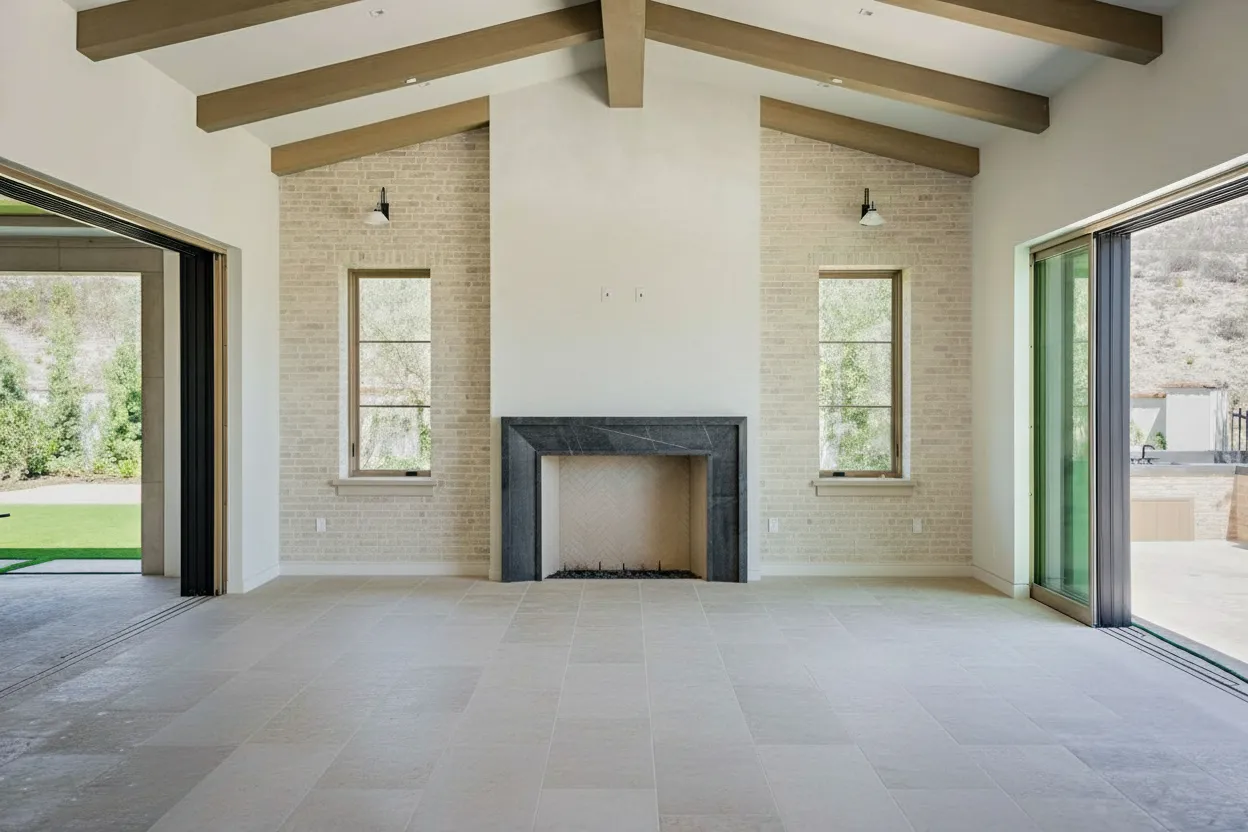
A breathtaking view isn’t just another bullet point on a listing sheet; it’s an experience that can fundamentally change how a buyer sees a property and what they’re willing to pay for it. Houses designed for views are always in high demand, and for good reason. They offer a sense of luxury, an expansive feeling, and a connection to the world outside that sheer square footage can never replicate.
Why Homes Designed for Views Are a Market Game Changer
So, what gives a property with a great vista its market-moving power? It’s simple: you’re selling a lifestyle, not just a structure. When a buyer walks in and is met with a perfectly framed view, it creates an immediate, powerful emotional response. It transforms a simple living room into a front-row seat to a masterpiece that changes by the hour—whether that’s a pulsing city skyline, a calm ocean horizon, or a stoic mountain range.

This emotional gut-punch translates directly into market value. I’ve seen buyers happily overlook a smaller floor plan or other potential drawbacks because they were completely captivated by the visual experience. A London penthouse with a clear view of the Thames or a California coastal home with an unbroken Pacific panorama will always command a price that reflects this incredibly unique asset.
The Financial Power of a Vista
The premium on a great view isn’t just a feeling; it’s a measurable market force. I’ve seen it time and again in my own practice. Properties built to showcase impressive scenery consistently sell 15-25% faster and for 10-20% higher prices per square foot.
But here’s the catch: the value is directly tied to how well you can actually see that view. If the vista is obstructed or not visible from the main living areas, the property’s value can plummet by 20-30% in some high-end markets. This is where your marketing strategy becomes absolutely critical. Agents I work with who use tools like BrightShot’s AI enhancements report drawing 40% more inquiries simply by making sure that premium vista is front and center. For a deeper dive, check out this detailed market analysis on property desirability.
A view offers benefits that no other amenity can touch:
- Perceived Space: A wide-open view makes any room feel infinitely larger, pushing the perceived boundaries of the home far beyond its four walls.
- Natural Art: The scenery outside becomes a dynamic piece of art that’s always changing, from dramatic sunsets to the subtle shifts of the seasons. It’s a built-in source of beauty and calm.
- Status and Exclusivity: A one-of-a-kind, protected view is a true luxury asset. It can’t be easily replicated, which signals a level of prestige and exclusivity that buyers crave.
A home with a view isn’t just a place to live; it’s a lifestyle statement. Buyers are purchasing the feeling of waking up to a sunrise over the ocean or watching a city light up at dusk. That experience is priceless.
The following table breaks down just how much these design choices matter when it comes to the bottom line.
View Optimization Impact on Property Value
| Design Factor | Potential Impact on Value | Buyer Appeal |
|---|---|---|
| Maximal Integration (Floor-to-ceiling glass, open-plan, terraces) | +10% to 25% premium | Extremely high. Creates an immersive, lifestyle-focused experience. |
| Partial Integration (Large windows in key rooms) | +5% to 15% premium | High. Buyers appreciate the view but may feel it’s not fully utilized. |
| Poor Integration (Small windows, obstructed views) | -15% to 30% of potential value | Low to moderate. A huge missed opportunity that buyers notice immediately. |
As you can see, the difference between having a view and truly presenting a view can mean a massive swing in market performance and buyer interest.
Architecture and Marketing: The Critical Link
Here’s the thing—just having a view isn’t enough. The real value is unlocked only when architecture, interior design, and marketing all work together to feature it perfectly.
A home has to be intentionally designed to capture and frame the scenery. Without the right architectural moves—like huge walls of glass, well-placed balconies, and open-concept layouts—that billion-dollar view can get lost behind a poorly placed wall. This is where the whole idea of view-oriented design comes in. Every single decision, from how the house is first sited on the lot to where the sofa is placed, has to be made with the view in mind. When all these pieces are in sync, the home doesn’t just have a view; it is the view.
Ultimately, marketing is the final, crucial piece of this puzzle. It’s our job as agents and photographers to translate that amazing in-person feeling into a digital format that grabs a buyer’s attention online. Through smart photography, virtual tours, and AI-powered enhancements, you can ensure the property’s most valuable asset is the very first thing a potential buyer sees—and falls in love with.
Architectural Principles for Framing a Perfect View
A breathtaking view is one thing. Living inside a home designed to capture it? That’s a completely different experience. The very best houses designed for views aren’t just plopped down facing a nice landscape; they’re meticulously crafted to turn a simple window into a living piece of art. It all starts with the foundational choices that make or break a home’s bond with its surroundings.

This process kicks off long before anyone swings a hammer. Site selection is absolutely critical. An experienced architect doesn’t just look for a flat spot to build; they analyze the land’s topography to pinpoint the exact location that unlocks the most dramatic angles. They’ll study how the light and shadows play across the property throughout the day and across the seasons, ensuring the final home capitalizes on every natural advantage.
Orientation comes next. The house might be angled just a few degrees to perfectly catch the sunrise over a lake or to shield the main living spaces from the intense afternoon sun while still framing a spectacular sunset. This deliberate positioning isn’t just about aesthetics—it’s about creating a comfortable, naturally lit, and consistently awe-inspiring environment.
Mastering Glazing and Structural Openings
With the site and orientation locked in, the focus shifts to creating openings that almost dissolve the barrier between inside and out. This is where the magic really happens, using specific architectural elements to pull the landscape right into the home.
Here are a few key techniques architects have in their playbook:
- Floor-to-Ceiling Glass Walls: Often called “window walls,” these enormous panes of glass don’t just frame a view; they offer a completely unobstructed, panoramic vista. They’re the ultimate statement piece.
- Clerestory Windows: These are smaller windows placed high up in vaulted or cathedral ceilings. They pour natural light into a room from above without sacrificing wall space or privacy, drawing the eye upward and making the space feel even larger.
- Retractable and Stacking Door Systems: Think of these less as doors and more as movable walls. With a simple push, a huge glass panel can vanish into a wall pocket, creating a seamless transition from the living room to a deck or patio.
A view is an asset, but architecture is what turns that asset into an experience. The goal is to make the window frame disappear, so all that’s left is the scenery itself. This is what separates good design from truly great design.
For instance, picture a home nestled in a dense forest. Instead of one massive window, an architect might use a series of tall, vertical windows that echo the rhythm of the trees. This approach, known as fenestration, turns the simple act of looking outside into a curated journey. In the same vein, the principles behind a contemporary beach house design are completely different, tailored to capture those wide, horizontal ocean horizons.
Case Study: The Modern Farmhouse
The modern farmhouse style, which remains incredibly popular, is a perfect real-world example of view-centric architecture in action. By 2026, these designs continue to dominate a huge slice of the new home market, largely because of how brilliantly they blend indoor and outdoor living. In fact, market data reveals that 68% of post-pandemic buyers are actively looking for this integration.
The most successful modern farmhouse plans almost always feature massive picture windows in the great room, dramatic vaulted ceilings, and wide stacking glass doors that spill onto covered patios. For real estate professionals marketing these homes, one-click tools like BrightShot’s sky replacements or immersive 360° tours can amplify these exact features, boosting viewer engagement by as much as 50%.
This architectural style inherently gets it: the main living area should be a vessel for the view. Its signature open-concept layout ensures that whether you’re in the kitchen, at the dining table, or on the sofa, your eye is constantly drawn to the landscape outside. The porches and patios act as transitional “outdoor rooms,” blurring the line between the built structure and the natural world. It’s a masterclass in making the view the undeniable star of the show.
Interior Design That Complements and Enhances a Vista
Once the architectural bones of a home are set, the interior design has one critical job: to support the view, not compete with it. I’ve seen it happen too many times—a room gets filled with decor so loud or a layout so cluttered that the stunning vista right outside the window becomes an afterthought. The very best houses designed for views use interior design to guide your eye outward, making the landscape the undisputed star.
It all starts with the furniture. The aim is to create clean, unobstructed sightlines from the second someone steps into the room. Think about arranging sofas and chairs to face the windows. Or, if you need a conversational grouping, position it so there’s still a clear path to the view.
A classic mistake is placing tall, bulky items like bookcases or entertainment centers directly in front of the main windows. Instead, go for low-profile furniture that sits below the sill line. This simple choice keeps the visual plane open and makes the whole space feel more expansive.
Creating a Supportive Visual Foundation
Your color palette is one of the most powerful tools in your arsenal. While bold, vibrant colors definitely have their place, they can be a major distraction in a view-centric home. More often than not, a neutral palette is the smartest choice for walls and larger furniture pieces.
Shades of white, cream, soft gray, and earthy beiges create a quiet, gallery-like backdrop. This allows the dynamic colors of the landscape—the deep blues of the ocean, the lush greens of a forest, the fiery oranges of a sunset—to provide the room’s main pop of color. The interior becomes a serene frame for the natural masterpiece just outside.
The most successful interiors for view-oriented homes don’t try to outshine the scenery. Instead, they borrow from it, creating a seamless visual conversation between the indoor space and the outdoor environment.
This philosophy extends to the textures and materials you choose. When you bring in elements that echo the outside world, you create a powerful, subconscious connection. This concept is known as biophilic design, and it’s all about strengthening that human-nature link.
Weaving the Outdoors In
Biophilic design is more than just adding a few potted plants; it’s a complete approach. It means incorporating natural materials that genuinely resonate with the home’s specific environment.
- Wood Finishes: For a home nestled in a forest, use natural wood tones in flooring, furniture, or ceiling beams to mirror the surrounding trees.
- Stone Accents: In a mountain or desert setting, a stone fireplace or an accent wall can bring that rugged texture of the landscape right inside.
- Woven Textures: Natural fibers like jute, sisal, or linen in rugs and textiles add an organic, tactile quality that perfectly complements natural scenery.
Another brilliant trick I love to use is the strategic placement of mirrors. A large mirror on the wall opposite a window can work wonders. It doesn’t just bounce light deeper into the room, making it feel brighter and larger; it also reflects the view itself. This clever move lets you enjoy a glimpse of the outdoors even when your back is to the window, essentially doubling your access to that prized scenery.
This level of detail in staging and design is what creates a truly memorable impression. You can see some powerful examples of how thoughtful staging completely transforms a space by exploring these staging before and after transformations, which really show how furniture and decor can either hide or highlight a home’s best features.
By combining an intentional furniture layout, a supportive color scheme, biophilic materials, and the smart use of reflective surfaces, you create an interior that feels deeply connected to its stunning surroundings. This ensures that when a potential buyer walks in, their first and lasting impression is that breathtaking view.
4. Capturing the View with Photography and AI
Even the most incredible vista can look underwhelming in a listing if the photos are dark, warped, or shot on a dreary day. A million-dollar view only translates to a million-dollar sale if you can make a potential buyer feel it through their screen. This is where solid photography fundamentals, supercharged with AI, can make all the difference for houses designed for views.
It all starts behind the camera. Any seasoned pro will tell you that timing is everything, which is why we live by the “golden hour”—that sweet spot right after sunrise and before sunset. The soft, low light minimizes harsh shadows and wraps the landscape in a warm, inviting glow. It just makes any view feel more dramatic and appealing.
Your lens choice is just as critical. A wide-angle lens is fantastic for capturing that expansive feeling, but it comes with a catch. Use it the wrong way, and you get that weird, unflattering distortion that makes rooms look stretched and unnatural. The trick is to keep your camera perfectly level. Don’t tilt it. This ensures all the vertical lines in your shot stay straight and true.
From Good to Unforgettable with Smart AI
Once you’ve got a solid set of photos, AI tools like those from BrightShot are what take them from good to truly unforgettable. This is your chance to fix the things you couldn’t control on-site, like gloomy weather or a missed sunset. You can take a photo shot under a flat, gray sky and, with a click, transform it into a stunning twilight scene using Day-to-Dusk conversion.
This isn’t just about making a prettier picture; it’s about selling a lifestyle. A sunset view triggers feelings of peace, luxury, and winding down after a long day—precisely the emotions you want a buyer to connect with the home.
A great photo shows what a room looks like. An AI-enhanced photo captures what it feels like to live there. It closes the gap between seeing the property and imagining a life in it.
Practical Tips for Maximum Impact
Using these tools effectively is about more than just applying filters; it’s about visual storytelling. For a home with a gorgeous western-facing view, using Day-to-Dusk conversion on the primary living room shot is non-negotiable. If a property is surrounded by beautiful but imperfect landscaping, using AI lawn and sky replacement on the exterior shots will make it pop online.
We’re in the middle of a major shift in the global housing market, where properties designed for great views are appreciating by 25-50% more in value. Since 2020, an impressive 55% of architects now prioritize ‘view corridors’ in their plans, a huge jump from just 38% pre-pandemic. Agents who use tools like BrightShot’s virtual staging and cinematic tours are seeing 35% more leads, because AI enhancements reveal untapped potential—think of how a vibrant lawn replacement frames an ocean vista or how lighting correction can suddenly reveal a mountain silhouette that was lost in shadow.
Here’s a quick look at how smart interior choices can help highlight a home’s view, which is crucial to think about before you even schedule the photoshoot.

The diagram above shows how a neutral color palette, an open furniture plan, and well-placed mirrors all work together to keep the focus where it belongs: on the view outside. These design decisions are vital for creating listing photos that feel spacious and are centered on the home’s number one asset.
Which AI Tool for Which View?
It can be tough to know which feature to use and when. I’ve put together a simple table to show how different BrightShot features can solve common problems and make your views shine.
BrightShot Features for Enhancing Property Views
| BrightShot Feature | Best Use Case for Views | Impact on Listing |
|---|---|---|
| Day-to-Dusk Conversion | Homes with west-facing windows, city skylines, or waterfronts. | Creates a powerful emotional connection by showcasing the home in a luxurious, relaxing light. |
| Lawn Replacement | Properties where a patchy or dormant lawn distracts from an otherwise beautiful backyard view. | Instantly boosts curb appeal and frames the distant landscape with lush, green grass. |
| Sky Replacement | Any exterior or interior shot where a dull, washed-out sky makes the view feel lifeless. | Adds drama, depth, and vibrancy, making mountain, ocean, or pastoral views more compelling. |
| Lighting Correction | ”Blown out” windows where the interior is dark and the bright exterior view is lost. | Balances exposure to show both the beautiful interior and the stunning view outside clearly. |
| Perspective Swap | Rooms where a single angle doesn’t capture the full relationship between the space and the view. | Offers buyers multiple viewpoints, giving them a better sense of layout and flow. |
| 360° Virtual Tour | Immersive properties where the view is a key part of the experience from multiple rooms. | Allows buyers to “stand” in the space and turn their head to take in the full panorama. |
This table should give you a clear roadmap for choosing the right tool for the job. The goal is always to use technology to tell the most compelling story about the property.
Another powerful move is to show multiple perspectives. Try using BrightShot’s perspective swap feature to provide different angles of the same room. It helps buyers get a much better feel for the layout and how it connects to the view. And for those properties where the surrounding environment is the star—like a remote cabin or a sprawling estate—don’t underestimate the power of aerial shots. Our comprehensive guide on aerial photography for real estate dives deep into capturing those stunning bird’s-eye perspectives.
By blending solid photography techniques with smart AI enhancements, you create a portfolio of images that don’t just show the property—they sell the experience. That’s what drives clicks, inquiries, and ultimately, offers.
Building Immersive Experiences with Virtual Tours
Static photos can only capture a fraction of what makes a view special. To truly sell the lifestyle that comes with a house designed for its views, your marketing needs to let buyers step inside and feel it for themselves. This is where 360° virtual tours become your secret weapon, allowing someone to digitally “stand” in a room and drink in the vista from every possible angle.
Think about it: a curated photo shows what you want the buyer to see. A virtual tour puts them in the driver’s seat. It gives them the freedom to explore at their own pace, to wander over to the master bedroom window, or to see how the morning light hits the kitchen island with that mountain range in the background. This kind of active participation builds a much deeper emotional connection than just passively scrolling through a gallery.
Guiding the Virtual Experience
Just because a tour is self-guided doesn’t mean you can’t be the guide. The whole point is to gently steer visitors toward the home’s money shots—especially the views. Think of it as digital view-staging. You should always start the tour from a spot that immediately opens up to the primary vista, like a grand entryway or a great room.
Use “hotspots” or interactive points to draw attention where you want it. A subtle, glowing circle near a window can prompt a click, revealing a stunning high-resolution photo of the sunset from that exact spot. You could also add a small text box that says, “Enjoy your morning coffee with a direct view of the lake.”
A well-crafted virtual tour does more than just show a property; it sells a daily experience. You’re not just showing them a window, you’re showing them their future window.
The technology behind these tours matters. For a deeper dive, our guide on the best 360 virtual tour software offers some great insights into picking the right platform. Making the right choice is critical for creating a smooth, high-quality tour that loads quickly and looks utterly professional.
Furnishing the Vision with Virtual Staging
What do you do with empty properties? An unfurnished room, even one with a jaw-dropping view, can feel cold and sterile. It makes it tough for buyers to imagine their life there, which is a massive missed opportunity. With BrightShot’s virtual staging, you can instantly transform that blank canvas into a fully realized home, showing exactly how different furniture layouts can enhance the scenery.
Imagine showing a single living room in multiple ways to appeal to different tastes:
- Cozy & Traditional: With plush armchairs angled toward both a fireplace and the window view.
- Sleek & Modern: Featuring a low-profile sectional sofa that keeps sightlines wide open to the horizon.
- Minimalist Retreat: Using just a few key pieces to emphasize space, light, and serenity.
With over 80 distinct interior styles to choose from, you can cater to almost any buyer demographic you can think of. You can furnish an entire home in seconds, demonstrating how a dining table can be perfectly positioned for sunset dinners or how a home office can have an inspiring mountain backdrop. It takes the guesswork out of the equation and helps buyers connect on an emotional level.
Transforming Stills into Dynamic Videos
Beyond immersive tours, you can get even more mileage out of your high-quality photos by turning them into dynamic video walkthroughs. These short, punchy videos are perfect for grabbing attention on social media platforms like Instagram, TikTok, and Facebook, where users expect fast-paced, visual content.
BrightShot can automate this, turning a folder of still images into a cinematic video. It adds smooth transitions and subtle motion effects (like the Ken Burns effect) that mimic a real walkthrough, giving a sense of movement and flow as it guides the viewer from one space to the next.
The platform can even add AI-generated captions that automatically call out the property’s best features. A shot of the patio might get a caption like, “Your private oasis for evening relaxation,” while an image of the great room could say, “Floor-to-ceiling windows flood the space with natural light.”
By combining immersive 360° tours, versatile virtual staging, and dynamic video walkthroughs, you create a complete marketing package. You’re no longer just listing a property; you’re building an emotional story around its most valuable asset—the view.
Answering Your Top Questions About Marketing Homes with a View
Even for us veterans in the real estate game, marketing a property where the scenery is the star attraction can bring up some tricky questions. We’re always walking a fine line between creating stunning marketing and keeping things authentic. Let’s break down some of the most common questions I get and provide some straightforward, practical answers.
The biggest question is always about honesty. How do you enhance a photo without being deceptive? The golden rule is this: use enhancements to show what the human eye actually sees, not to create a fantasy. A camera, for instance, is terrible at handling high-contrast scenes. It either exposes for the room, making the view outside a blown-out white mess, or it exposes for the view, plunging the room into darkness.
Think of it this way: when you use a tool to balance the lighting, you’re not faking the view. You’re simply correcting the camera’s limitations so a buyer can see the gorgeous interior and the incredible landscape at the same time, just as they would if they were standing there. It’s about technical correction, not deception.
What if the Million-Dollar View Is Only from One Room?
This happens all the time. You might have a property with a jaw-dropping panoramic view from the primary bedroom, but the living room view is just… okay. The strategy here is simple: you make that one room the absolute hero of your entire listing.
Don’t be shy about it. A significant chunk of your marketing should be dedicated to showcasing that specific space.
- Lead with Your Best Shot: That hero view needs to be your primary listing photo. Use a professionally enhanced shot to stop scrollers in their tracks.
- Create a Destination: When you build a 360° virtual tour, start the experience right in that room. Use clear hotspots to guide everyone there immediately.
- Tell the Story: Use your listing description to paint a vivid picture. Something like, “Imagine waking up every single morning to a spectacular sunrise over the mountains, all from the peace and quiet of your private owner’s suite.”
By zeroing in on that peak experience, you create intense desire. It becomes the “I have to see that in person” moment that gets buyers through the door. You’re selling the home’s most unforgettable feature.
Which AI Enhancements Give Me the Best Bang for My Buck?
When you’re working with a budget, you need to put your money where it will make the biggest splash. While every property has its unique needs, a few specific enhancements consistently deliver the best return on investment for homes with great views.
Your main goal is to eliminate any visual noise that distracts from the home’s number-one asset: the view itself.
Your focus should be on fixing the elements that pull attention away from the view. A gloomy, gray sky or a brown, patchy lawn can make even the most incredible landscape feel drab. Correcting these allows the home’s natural beauty to take center stage, and that’s where the real value is.
For most view properties, there’s a clear hierarchy of what to tackle first. I always start with sky replacement on every exterior shot and any interior photos where the sky is visible through a window. A brilliant blue sky or a dramatic twilight scene can instantly transform the entire mood.
Next up is lawn replacement if the grass is anything less than perfect. A vibrant, green lawn provides a beautiful, clean frame for the distant vista. Finally, I use a Day-to-Dusk conversion on one or two of the most important photos—like the main living room or the back deck—to create that luxurious, emotional shot that really sells the lifestyle.
Ready to make every view a major selling point? BrightShot gives you the tools to transform your property photos in just a few clicks. From stunning Day-to-Dusk conversions to immersive 360° tours, our platform helps you capture the true magic of any home. Start your free trial today and see the difference for yourself.