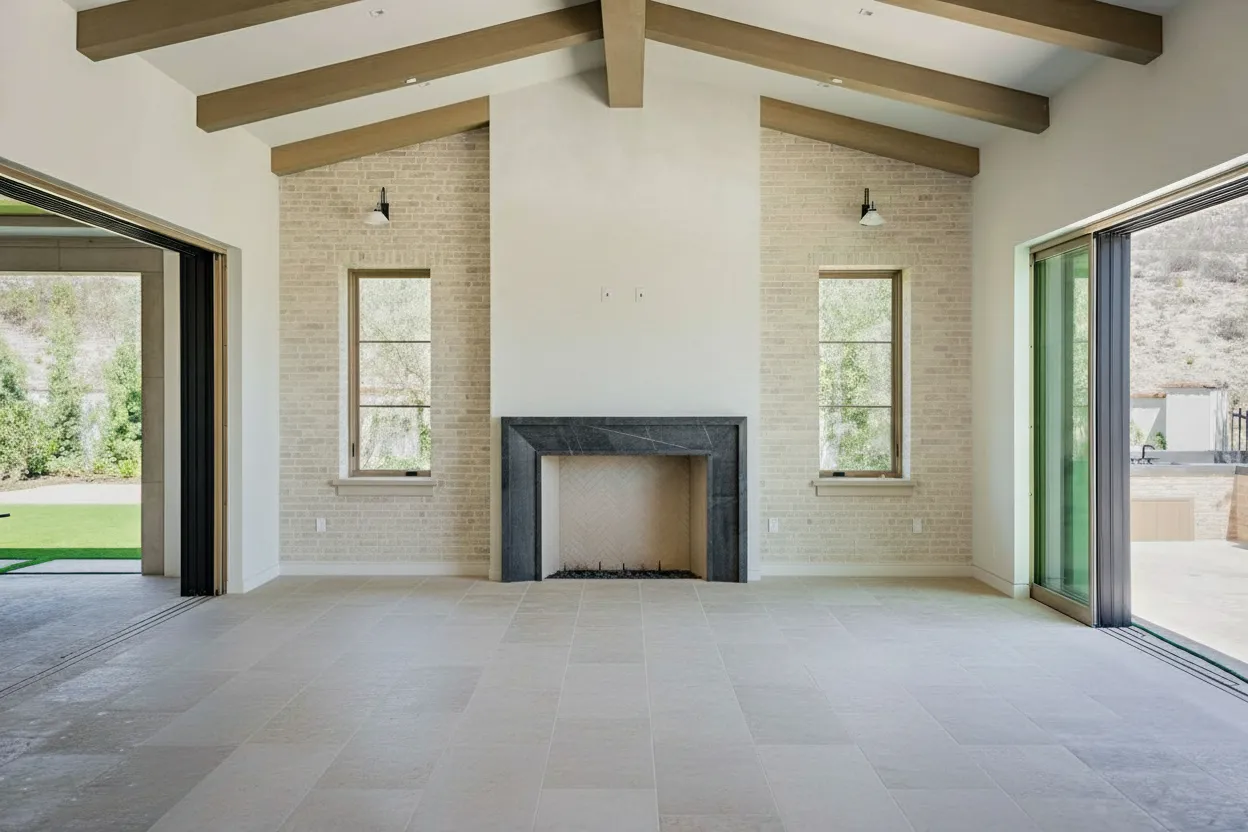
Complete Guide to 3D Real Estate Photography: Transform Your Listings in 2025
The modern homebuyer’s journey begins online, with 97% of buyers starting their search digitally. Traditional photography shows them what a property looks like, but 3D photography shows them what it feels like to live there. This isn’t just about pretty visuals—it’s about creating an emotional connection that drives purchasing decisions.
A static photo gallery is like reading a restaurant menu, while a 3D tour is like sitting down for a meal. One informs, the other transforms.
The Market Reality: Numbers That Matter
The global real estate photography services market has exploded, projected to reach $4.9 billion by 2025. This growth isn’t driven by novelty—it’s driven by results:
The Bottom Line: Properties with 3D tours see a 40% increase in online engagement, sell up to 20% faster, and generate significantly more qualified leads by filtering out casual browsers.
These aren’t vanity metrics. They translate directly to your bottom line through faster closings, stronger offers, and more efficient use of your time.
Understanding 3D Photography Technology: Beyond the Buzz
How Photogrammetry Creates Digital Twins
At its core, 3D real estate photography uses photogrammetry—a process that transforms hundreds of overlapping 2D images into precise 3D models. Specialized cameras capture 360-degree imagery with depth sensors. Software then identifies thousands of matching points across these images to build a detailed 3D wireframe, which is then layered with high-resolution photos to create photorealistic surfaces. For a deeper dive, publications like the Journal of Geomatics offer detailed explanations.
The result is a “digital twin” so accurate that buyers can virtually measure rooms, assess sight lines, and experience the property’s flow as if they were physically present.
The Three Pillars of Professional 3D Tours
A professional tour is built on three pillars: Immersive Navigation, giving users control to explore the space; Contextual Information, using interactive hotspots to provide details; and Multi-Format Output, generating dollhouse views, floor plans, and guided tours from a single scan.
Strategic Implementation: Your 3D Photography Roadmap
Phase 1: Pre-Production Excellence
The difference between an amateur and professional 3D tour lies in preparation. Follow this systematic approach:
Property Staging Checklist:
- Complete deep clean including windows, mirrors, and all surfaces
- Remove all personal items, clutter, and branded products
- Arrange furniture to maximize spatial perception and define room purposes
- Optimize lighting by opening all window treatments and activating every light source
- Stage key areas with neutral, aspirational elements using guides from publications like Architectural Digest.
Technical Preparation:
- Plan your scan path to ensure logical flow between spaces
- Identify key selling points and plan strategic camera positions
- Ensure all mechanical systems (HVAC, lighting) are functioning
- Remove or secure any items that could move during scanning
Phase 2: Strategic Scanning Workflow
Positioning Strategy: Place cameras every 5-8 feet along natural walking paths. Think like a buyer—where would they naturally pause to assess a space?
Room-by-Room Approach:
- Entryways: Capture welcoming first impressions with clear sight lines
- Living Areas: Position to showcase space flow and natural light
- Kitchens: Highlight work triangle and storage solutions
- Bedrooms: Emphasize comfort and privacy while showing proportions
- Bathrooms: Focus on fixtures and spatial efficiency
- Outdoor Spaces: Include patios, decks, and yards as natural extensions
Quality Assurance During Capture:
- Verify complete coverage with no dead zones
- Check for proper lighting balance in each scan
- Ensure furniture and fixtures remain stationary throughout process
Phase 3: Post-Production Optimization
Interactive Enhancement Strategies:
- Add informational tags highlighting unique features (custom millwork, smart home systems, premium finishes)
- Create guided highlight reels showcasing the property’s best features
- Embed virtual staging in empty properties to maximize emotional appeal
- Include measurement tools for practical buyer assessment
Technical Optimization:
- Compress files for fast loading without quality loss
- Optimize for mobile viewing (60% of initial property views happen on smartphones)
- Add custom branding elements that reinforce your professional image
- Test across devices and browsers for consistent performance
Platform Selection: Matching Tools to Your Business Model
Equipment and Service Comparison Matrix
| Solution Type | Investment | Time Commitment | Quality Level | Best For |
|---|---|---|---|---|
| Professional Cameras (Matterport Pro2, etc.) | $3,000-$4,500 | High (learning + shooting) | Excellent | High-volume agents, boutique firms |
| 360° Consumer Cameras (Ricoh Theta, Insta3D) | $300-$800 | Medium | Good | Budget-conscious agents, getting started |
| Smartphone Solutions (Various apps) | $0-$50 | Very High | Basic to Fair | Experimental use only |
| Professional Services | $200-$700 per property | Minimal | Excellent | Most agents, consistent quality needed |
| Full-Service Platforms | Subscription-based | Very Low | Excellent + Consistent | Brokerages, scaling operations |
Advanced Feature Evaluation
Pro Tip: When selecting a platform, prioritize essential features like reliable cloud hosting, detailed analytics, and easy MLS integration. These are non-negotiable for a seamless workflow.
Beyond the basics, look for advanced capabilities like AI-powered virtual staging, custom branding options, and lead capture forms. To future-proof your investment, choose a platform with regular updates and API access for custom integrations. Industry leaders like Matterport often set the standard for these features.
Measuring Success: KPIs That Matter
Primary Performance Metrics
Success isn’t just about views; it’s about meaningful engagement and business impact. Track engagement indicators like average tour duration and social sharing, lead quality metrics like inquiry-to-showing conversion rates, and business impact measures like reduction in days on market.
3D Tour Impact on Key Real Estate Metrics
These KPIs provide a clear picture of your return on investment and demonstrate your value to sellers.
Advanced Applications: The Cutting Edge
AI Integration Opportunities
Modern 3D platforms increasingly incorporate AI for automated enhancements like intelligent lighting correction, virtual staging with style-matched furniture, and smart analytics that can predict buyer behavior based on tour patterns.
Virtual and Augmented Reality Evolution
Today’s 3D scans are the foundation for tomorrow’s VR and AR experiences. Soon, you’ll be conducting fully immersive VR open houses for international buyers and using AR to help clients visualize renovations in real-time. Staying informed on these trends through tech publications like WIRED’s AR/VR section will keep you ahead of the curve.
Implementation Timeline: Your 90-Day Launch Plan
Days 1-30: Foundation Building Research and select your 3D solution, develop property prep checklists, and create initial marketing materials highlighting your new service.
Days 31-60: Pilot Testing Complete tours for 3-5 diverse listings, gather performance data and client feedback, and begin incorporating success stories into your marketing.
Days 61-90: Full Implementation Launch 3D photography across all appropriate listings, train your team, and develop case studies to document your ROI and competitive advantage.
Cost-Benefit Analysis: Making the Investment Case
Investment Breakdown
While there are upfront costs for equipment or per-property service fees, and ongoing expenses for software or maintenance, the ROI is compelling.
Upfront Costs:
- Professional service: $200-$700 per property
- Equipment purchase: $3,000-$5,000 initial investment
- Training and setup: 10-20 hours of time investment
Ongoing Expenses:
- Service fees: $200-$700 per listing
- Software subscriptions: $50-$200 monthly
Return on Investment Calculations
Faster sales reduce carrying costs for sellers, stronger offers often exceed the investment by 5-10x, and a higher listing appointment success rate directly increases your annual income.
Common Implementation Challenges and Solutions
Challenge: Justifying costs to price-sensitive sellers. Solution: Develop a clear ROI presentation using market data and the metrics from your pilot program. Show them the numbers.
Challenge: Large file sizes slowing down your website. Solution: Ensure your chosen platform uses a global Content Delivery Network (CDN) and proper compression for fast loading speeds.
Challenge: Inconsistent image quality across different properties. Solution: Develop standardized lighting and staging protocols. Invest in professional training or reliable service providers.
Future Trends: Staying Ahead of the Curve
Within the next 2-3 years, 3D tours will shift from a competitive advantage to a baseline expectation. The agents who master this technology now will be the market leaders of tomorrow. Expect to see more AI-powered personalization in tours and even blockchain integration for secure property documentation.
Action Steps: Getting Started Today
- This Week: Research local 3D service providers and identify 2-3 upcoming listings for a pilot test.
- Next 30 Days: Complete your first 3D tour, gather performance metrics, and update your marketing materials to showcase this new capability.
- Next 90 Days: Establish 3D photography as a standard practice, develop advanced marketing campaigns around it, and begin exploring virtual staging.
3D photography isn’t just another tool—it’s a fundamental shift in how properties are marketed. By implementing these strategies, you’ll provide the rich, immersive experiences today’s buyers demand and solidify your position as a forward-thinking professional.
Ready to transform your listings with cutting-edge visual marketing? Combine powerful 3D photography with stunning AI-enhanced property images. At BrightShot, we help real estate professionals create compelling visual content that converts browsers into buyers. From photo decluttering and lighting enhancement to virtual staging and perspective view swaps—give your properties the complete visual transformation they deserve.