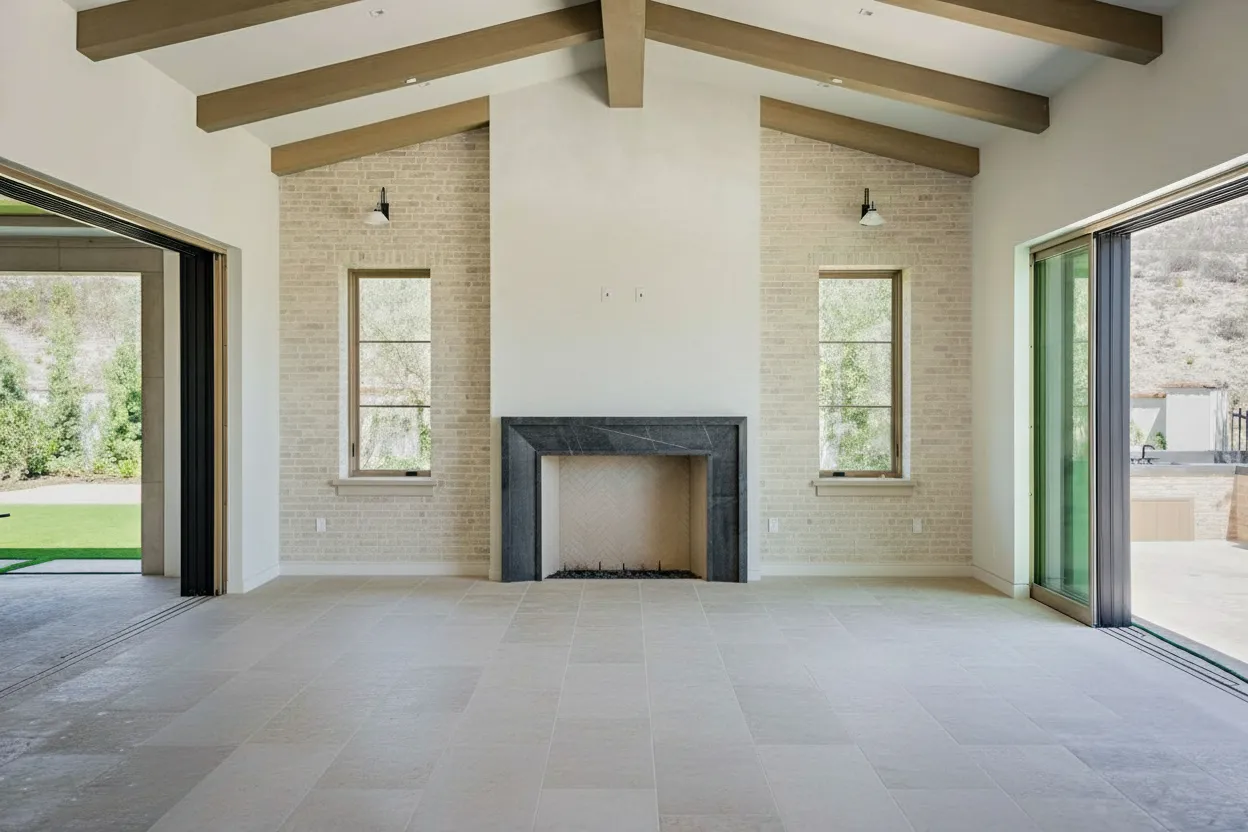
Industrial interior design has evolved from warehouse conversions to become one of the most sought-after aesthetic choices for modern homes. This raw, urban style celebrates the beauty of unfinished materials, exposed structural elements, and utilitarian fixtures that create spaces with character and authenticity.
The appeal of industrial interior design lies in its honest approach to materials and function. Rather than hiding pipes, beams, and brick walls, this style showcases them as design features. The result is a sophisticated yet approachable aesthetic that works equally well in converted lofts, suburban homes, and contemporary apartments.
In 2025, industrial design continues to evolve, incorporating sustainable materials, smart technology, and comfort-focused elements while maintaining its signature raw appeal. This comprehensive guide explores everything you need to know about creating stunning industrial spaces that balance edgy aesthetics with livable functionality.
What Is Industrial Interior Design?
Industrial interior design draws inspiration from converted warehouses, factories, and commercial spaces that have been transformed into residential environments. This style emerged in the 1960s when artists and creatives began converting abandoned industrial buildings into live-work spaces, embracing the existing architectural elements rather than concealing them.
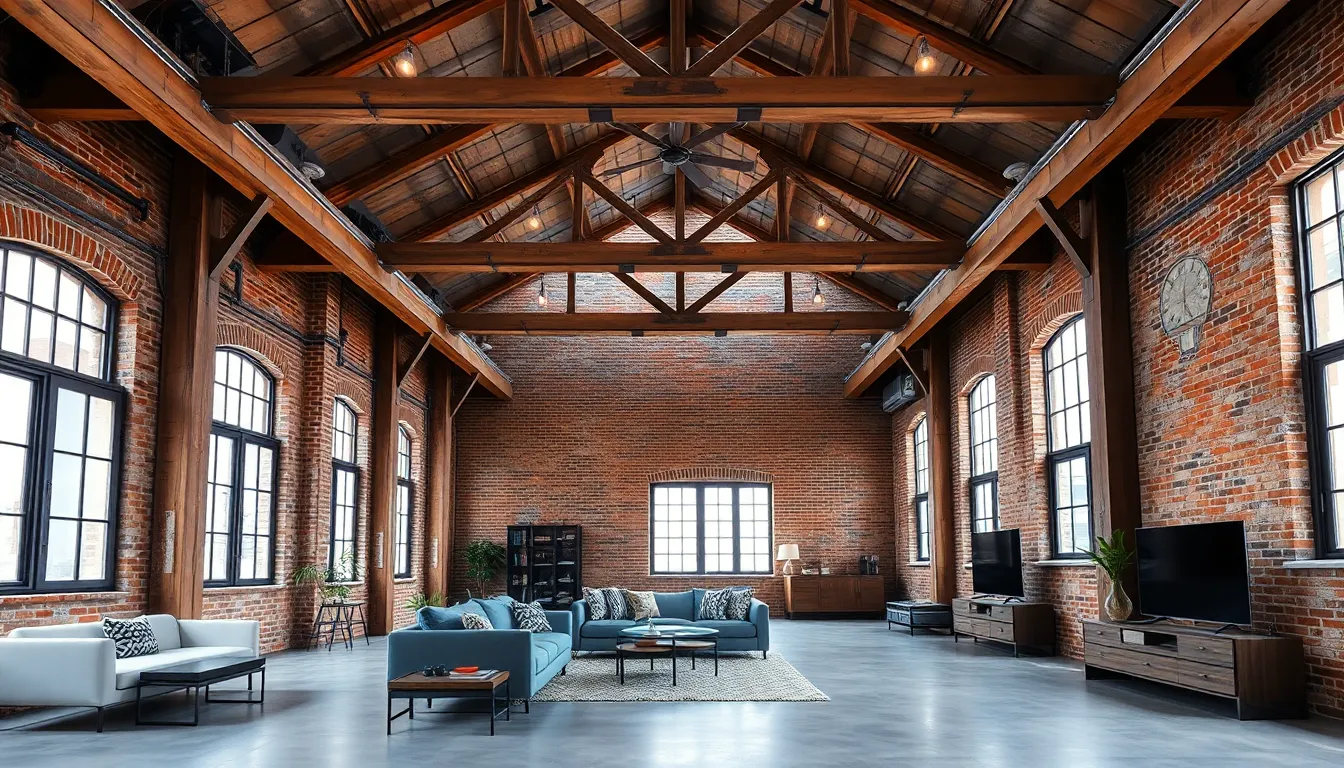
The core philosophy of industrial design centers on celebrating raw materials and functional elements. Exposed brick walls, concrete floors, steel beams, and visible ductwork become integral parts of the design rather than elements to hide. This approach creates spaces that feel authentic, unpretentious, and connected to their architectural heritage.
Modern industrial interior design has expanded beyond its warehouse origins to include carefully curated elements that bring warmth and comfort to raw spaces. Today’s industrial homes blend vintage industrial pieces with contemporary furniture, natural materials, and strategic lighting to create environments that are both stylish and livable.
The style emphasizes open layouts, high ceilings, and large windows that flood spaces with natural light. Color palettes typically feature neutral tones like grays, blacks, whites, and earth tones, allowing the natural beauty of materials to take center stage.
Why Industrial Style Is Trending in 2025
Industrial interior design continues to gain popularity in 2025 for several compelling reasons. The style’s emphasis on sustainability aligns perfectly with current environmental consciousness, as it celebrates reclaimed materials, vintage pieces, and repurposed industrial elements.
The rise of remote work has increased demand for flexible, open spaces that can adapt to multiple functions. Industrial design’s emphasis on open concept layouts and minimal partitions creates versatile environments perfect for modern living and working needs.
Urban living trends have also contributed to industrial style’s popularity. As more people embrace city living in converted buildings and modern lofts, industrial design provides a natural aesthetic that complements urban architecture while creating comfortable, personalized spaces.
The style’s timeless appeal ensures longevity in design choices. Unlike trend-driven aesthetics that quickly become dated, industrial design’s foundation in authentic materials and functional elements creates spaces that remain relevant and stylish for years.
Additionally, industrial design offers excellent value for homeowners. Many key elements like exposed brick, concrete floors, and steel fixtures are durable, low-maintenance options that provide both aesthetic appeal and practical benefits.
Key Elements of Industrial Design
Successful industrial interior design relies on several fundamental elements that work together to create the signature raw, urban aesthetic. Understanding these components helps you make informed decisions about incorporating industrial style into your home.
Exposed Brick Walls
Exposed brick walls serve as the cornerstone of industrial design, providing texture, warmth, and historical character to spaces. Original brick walls in converted buildings offer authentic charm, while new construction can incorporate brick veneer or reclaimed brick to achieve similar effects.
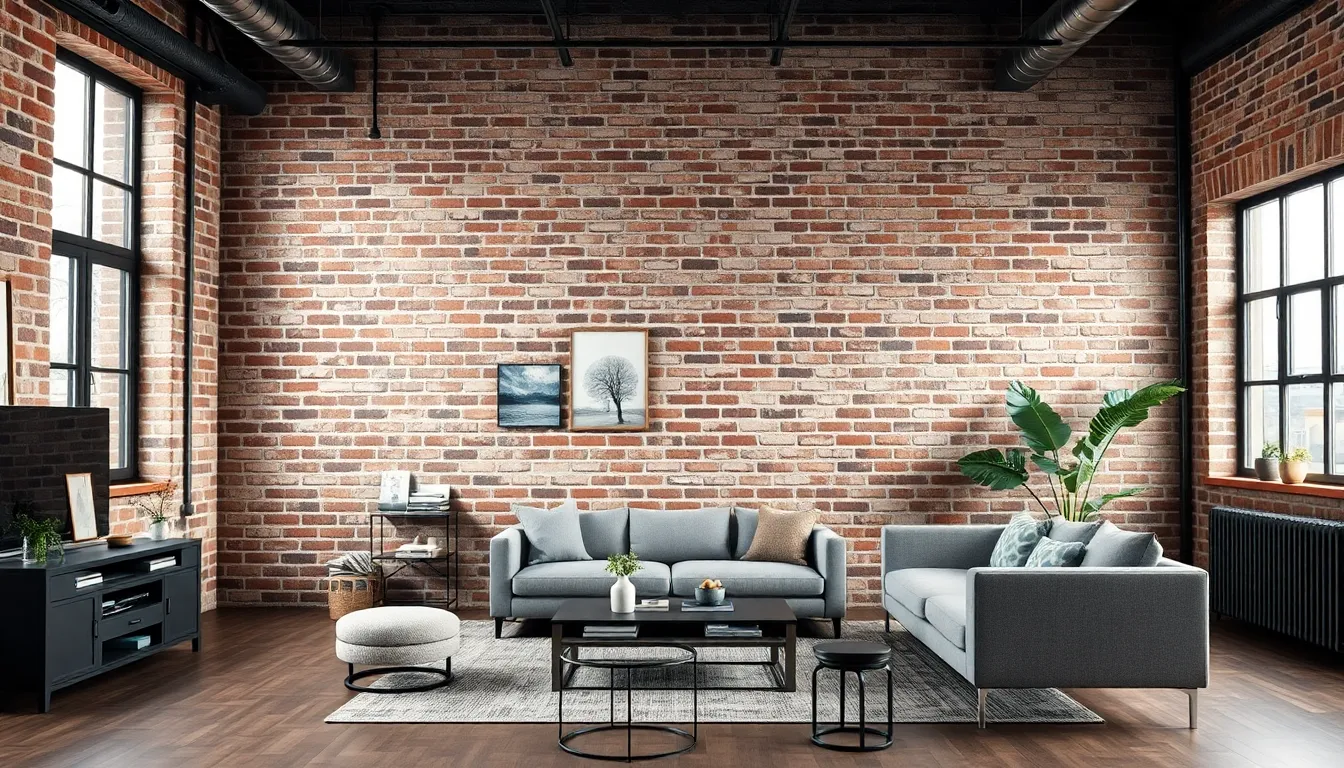
Brick walls work particularly well as accent features, creating focal points in living rooms, bedrooms, or dining areas. The natural variation in brick color and texture adds visual interest without overwhelming the space. When working with existing brick, consider sealing the surface to prevent dust while maintaining the raw appearance.
For spaces without original brick, alternatives include brick veneer panels, painted brick effects, or strategically placed brick accent walls. These options provide the industrial aesthetic while offering more control over color and placement.
Concrete Floors & Walls
Concrete surfaces epitomize industrial design’s celebration of raw materials. Polished concrete floors offer durability, easy maintenance, and a sleek appearance that complements the industrial aesthetic. The material’s thermal mass also provides energy efficiency benefits.
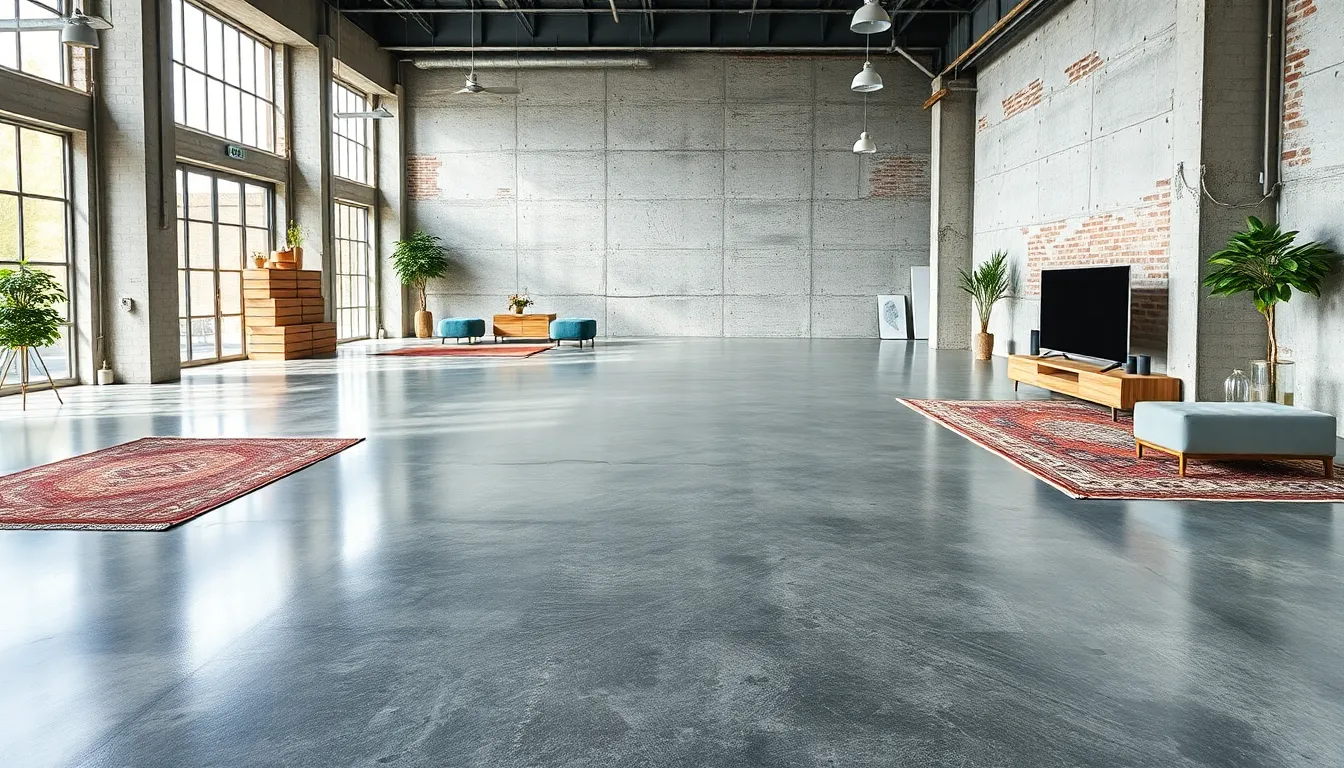
Concrete walls create dramatic backdrops for furniture and artwork while maintaining the style’s minimalist approach. Various finishes, from smooth polished surfaces to textured applications, offer different aesthetic options while preserving the industrial character.
To soften concrete’s potentially cold appearance, incorporate area rugs, textiles, and warm lighting. These additions provide comfort and visual warmth while maintaining the authentic industrial feel.
Metal Accents & Fixtures
Metal elements form the backbone of industrial design, appearing in everything from light fixtures and furniture to architectural details. Steel, iron, and aluminum provide the utilitarian aesthetic that defines the style.
Industrial lighting fixtures, particularly those with exposed bulbs and metal shades, create both functional illumination and design statements. Pendant lights, track lighting, and vintage-inspired fixtures enhance the industrial atmosphere while providing necessary task and ambient lighting.
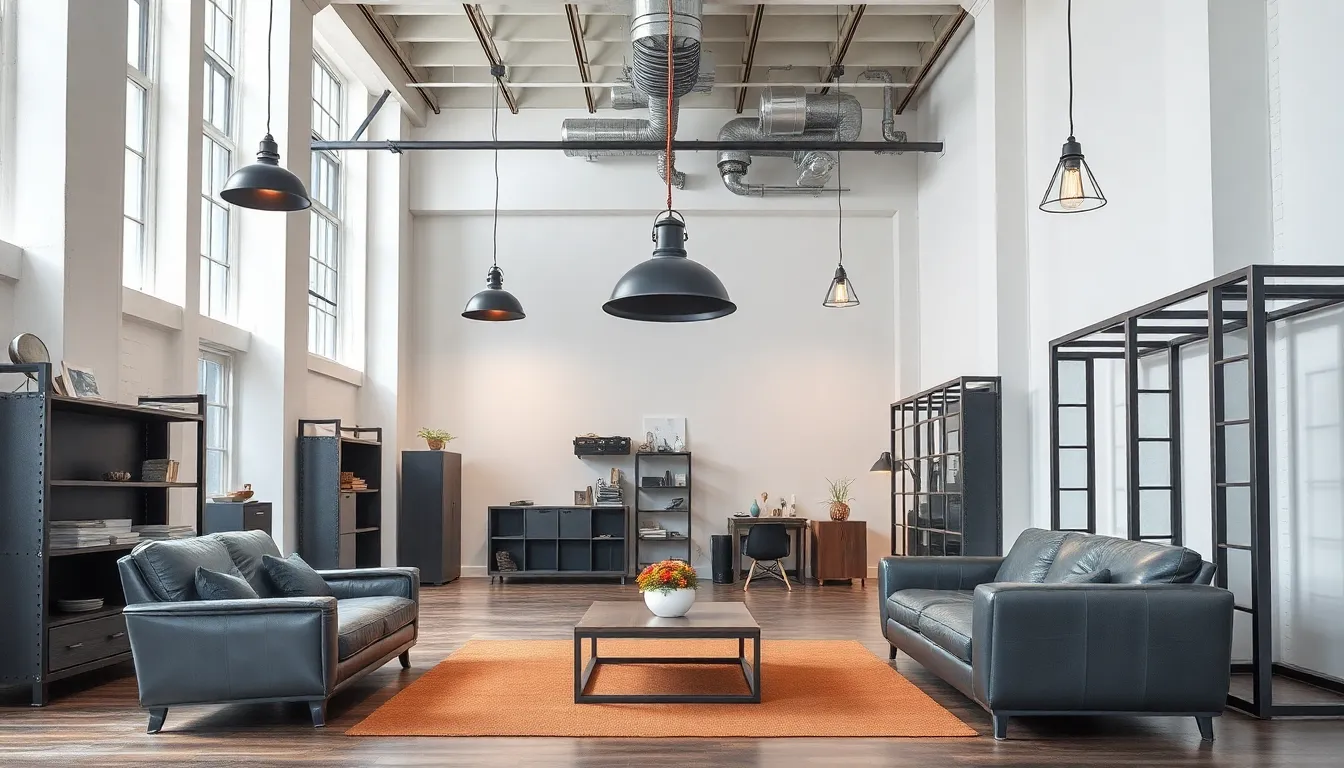
Metal furniture pieces, including steel-framed tables, iron bed frames, and aluminum seating, reinforce the industrial theme while offering durability and functionality. Mixing different metal finishes adds visual interest and prevents the space from feeling monotonous.
Reclaimed Wood
Reclaimed wood brings warmth and natural texture to industrial spaces, balancing the coolness of metal and concrete elements. Salvaged wood from old factories, barns, and warehouses carries historical character that enhances the authentic industrial feel.
Reclaimed wood works beautifully for flooring, accent walls, furniture, and architectural details. The material’s weathered appearance and unique patina add personality and warmth that soften the harder industrial elements.
When selecting reclaimed wood, consider the source and treatment to ensure safety and durability. Properly treated reclaimed wood provides both aesthetic appeal and practical functionality for various applications.
Exposed Pipes & Beams
Exposed structural elements like pipes, beams, and ductwork celebrate the honest expression of building systems that defines industrial design. Rather than concealing these functional components, industrial style showcases them as design features.
Exposed ceiling beams, whether original steel or wood, add architectural interest and emphasize the space’s industrial heritage. Visible ductwork and piping create visual texture while maintaining the utilitarian aesthetic.
When working with exposed systems, ensure proper insulation and maintenance access while preserving the raw appearance. Strategic painting or finishing can enhance these elements without compromising their industrial character.
Natural Light & Large Windows
Large windows and abundant natural light are essential components of industrial design, reflecting the style’s warehouse origins. Floor-to-ceiling windows, steel-framed openings, and minimal window treatments maximize daylight while maintaining the clean, uncluttered aesthetic.
Industrial spaces benefit from the interplay between natural light and raw materials. Sunlight streaming across concrete floors, brick walls, and metal surfaces creates dynamic shadows and highlights that enhance the space’s character throughout the day.
When window treatments are necessary, choose minimal options like steel blinds, simple curtains, or no treatments at all to preserve the open, airy feeling that defines industrial spaces.
Want to test your design ideas? Try BrightShot, the AI-powered interior planner that helps you visualize your industrial home layout in minutes.
Room-by-Room Styling Tips
Industrial Living Room
The industrial living room serves as the heart of the home, combining comfort with the style’s signature raw aesthetic. Start with a neutral color palette featuring grays, blacks, and whites, then add warmth through strategic material choices and lighting.
Furniture selection should emphasize clean lines and mixed materials. A leather sofa in rich brown or black provides comfort while maintaining the industrial feel. Steel-framed coffee tables, reclaimed wood side tables, and vintage industrial seating create an authentic atmosphere.
Lighting plays a crucial role in industrial living rooms. Combine ambient lighting from floor lamps with task lighting from table lamps and accent lighting from wall sconces. Edison bulbs and exposed filament designs enhance the vintage industrial character.
Textiles add necessary softness to balance hard surfaces. Choose rugs with geometric patterns or solid colors in neutral tones. Throw pillows and blankets in natural materials like wool, linen, or leather provide comfort without compromising the aesthetic.
Industrial Kitchen
Industrial kitchens celebrate functionality and honest materials while providing efficient cooking spaces. Stainless steel appliances, concrete countertops, and open shelving create the utilitarian aesthetic that defines the style.
Cabinetry should emphasize clean lines and minimal hardware. Flat-panel doors in dark colors or natural wood finishes work well, as do open shelving systems that display dishes and cookware as design elements.
Backsplashes offer opportunities to incorporate key industrial materials. Subway tiles, stainless steel panels, or exposed brick create visual interest while providing practical protection. Keep the design simple and functional.
Island designs should emphasize the style’s utilitarian roots. Steel-framed islands with wood or concrete tops provide workspace and storage while serving as focal points. Industrial bar stools complete the look while providing casual seating.
Industrial Bedroom
Industrial bedrooms balance the style’s raw aesthetic with the comfort and tranquility necessary for rest. Start with a neutral color palette and add warmth through textiles and strategic lighting.
Bed frames should reflect the industrial aesthetic through material choices and design. Steel frames, reclaimed wood headboards, or platform beds with clean lines work well. Avoid ornate details that conflict with the minimalist approach.
Lighting in industrial bedrooms should provide both ambient and task illumination. Pendant lights flanking the bed, industrial table lamps, and wall-mounted reading lights offer functionality while enhancing the aesthetic.
Storage solutions should emphasize the style’s utilitarian roots. Open wardrobes, steel clothing racks, and vintage industrial furniture provide necessary storage while contributing to the overall design.
Industrial Bathroom
Industrial bathrooms showcase the style’s emphasis on honest materials and functional design. Concrete floors, subway tiles, and exposed plumbing create authentic industrial character while providing practical functionality.
Fixtures should emphasize clean lines and quality materials. Wall-mounted sinks, freestanding tubs, and walk-in showers with minimal enclosures maintain the open, uncluttered feeling.
Lighting in industrial bathrooms should provide adequate illumination for grooming tasks while enhancing the aesthetic. Vintage-inspired sconces, pendant lights, and exposed bulb fixtures work well.
Storage solutions should maintain the minimalist approach while providing necessary functionality. Open shelving, vintage industrial cabinets, and wall-mounted storage keep the space organized without cluttering the design.
Mixing Industrial with Other Styles
Modern Industrial
Modern industrial design combines the raw aesthetic of traditional industrial style with contemporary elements and technology. This approach creates spaces that feel current while maintaining authentic industrial character.
Key elements include sleek furniture with clean lines, integrated technology, and refined material choices. Smart home systems, contemporary lighting, and modern appliances blend seamlessly with exposed brick, steel beams, and concrete surfaces.
Color palettes in modern industrial spaces often include more sophisticated neutrals and occasional bold accents. The overall effect is polished yet authentic, comfortable yet edgy.
Scandinavian Industrial
Scandinavian industrial design softens the raw industrial aesthetic with Nordic influences like light woods, cozy textiles, and hygge-inspired comfort elements. This combination creates spaces that feel warm and inviting while maintaining industrial character.
Light wood furniture, white walls, and natural textiles balance harder industrial elements. The result is a more approachable version of industrial design that works well in family homes and smaller spaces.
Farmhouse Industrial
Farmhouse industrial design combines rustic charm with urban edge, creating spaces that feel both comfortable and sophisticated. Reclaimed wood, vintage accessories, and natural materials soften the industrial aesthetic while maintaining its authentic character.
This style works particularly well in rural settings or homes that want to balance modern amenities with traditional comfort. The combination creates unique, personalized spaces with broad appeal.
Boho Industrial
Boho industrial design adds eclectic elements, rich textures, and global influences to the industrial foundation. Vintage rugs, plants, and collected accessories create layered, personal spaces that maintain industrial bones while expressing individual style.
This approach works well for those who appreciate industrial design but want more color, pattern, and personal expression in their spaces.
Common Mistakes to Avoid
Too Much Metal
While metal elements are essential to industrial design, using too much can create cold, unwelcoming spaces. Balance steel and iron fixtures with warm materials like wood, leather, and textiles to create comfortable, livable environments.
Lack of Comfort
Industrial design should never sacrifice comfort for aesthetics. Incorporate soft furnishings, adequate seating, and proper lighting to ensure spaces are as functional as they are stylish.
Using Bright Colors
Bright, saturated colors can overwhelm the subtle beauty of industrial materials. Stick to neutral palettes with occasional muted accents to maintain the style’s sophisticated character.
Overdecorating
Industrial design celebrates simplicity and functionality. Avoid cluttering spaces with unnecessary accessories or decorative elements that detract from the clean, minimalist aesthetic.
Where to Shop for Industrial Decor
Vintage & Flea Markets
Vintage markets and flea markets offer authentic industrial pieces with genuine history and character. Look for factory lighting, metal furniture, and architectural salvage that can be repurposed for residential use.
Online Shops
Many online retailers specialize in industrial-style furniture and accessories. Research sellers carefully and read reviews to ensure quality and authenticity.
DIY Ideas
Many industrial design elements can be created through DIY projects. Pipe shelving, concrete countertops, and custom lighting fixtures offer opportunities to personalize your space while controlling costs.
Final Styling Tips
Successful industrial interior design requires careful balance between raw materials and comfortable living. Start with a strong foundation of authentic materials, then layer in comfort elements and personal touches.
Pay attention to lighting, as it dramatically affects how industrial materials appear and feel. Combine multiple light sources to create warmth and visual interest throughout the space.
Don’t rush the process. Industrial design benefits from careful curation and thoughtful selection of elements that work together to create cohesive, authentic spaces.
Remember that industrial design should reflect your lifestyle and preferences. Use the style’s principles as a foundation, then adapt elements to create spaces that work for your specific needs and tastes.
Conclusion
Industrial interior design offers a unique approach to creating spaces that celebrate authenticity, functionality, and raw beauty. By understanding the key elements and principles that define this style, you can create environments that are both visually striking and comfortable for daily living.
The style’s emphasis on honest materials, open layouts, and utilitarian aesthetics creates timeless spaces that adapt well to changing needs and preferences. Whether you’re working with a converted warehouse or a suburban home, industrial design principles can help you create spaces with character and sophistication.
As industrial design continues to evolve in 2025, the focus remains on balancing raw aesthetics with comfort and functionality. By incorporating sustainable materials, smart technology, and personal touches, you can create industrial spaces that feel both authentic and contemporary.
From pipes to pendant lights, BrightShot helps you create the perfect industrial space. Design smarter—get started for free at bright-shot.com.
Frequently Asked Questions
What is industrial style in interior design?
Industrial style is a raw, urban aesthetic that embraces exposed materials like brick, metal, and concrete, blending vintage elements with modern function. It celebrates the honest expression of structural elements and utilitarian fixtures.
What are the key elements of industrial interior design?
Key elements include exposed brick walls, metal fixtures, reclaimed wood, concrete floors, open layouts, and utilitarian lighting. These components work together to create the signature raw, authentic aesthetic.
Can industrial design be cozy?
Yes, industrial design becomes cozy by mixing in warm materials like wood and textiles, adding layered lighting, and keeping a neutral, inviting palette. The key is balancing hard surfaces with soft, comfortable elements.
Where can I find affordable industrial-style decor?
Check vintage markets, online marketplaces, and DIY sources for unique, budget-friendly industrial pieces. Flea markets and architectural salvage yards often have authentic items with genuine character.
Pinterest Caption: Bring urban edge to your home with exposed brick, raw finishes, and functional design—industrial style done right in 2025. 🏭✨ Raw materials meet modern comfort! #industrialdesign #loftliving #exposedbrrick #urbanstyle #interiordesign