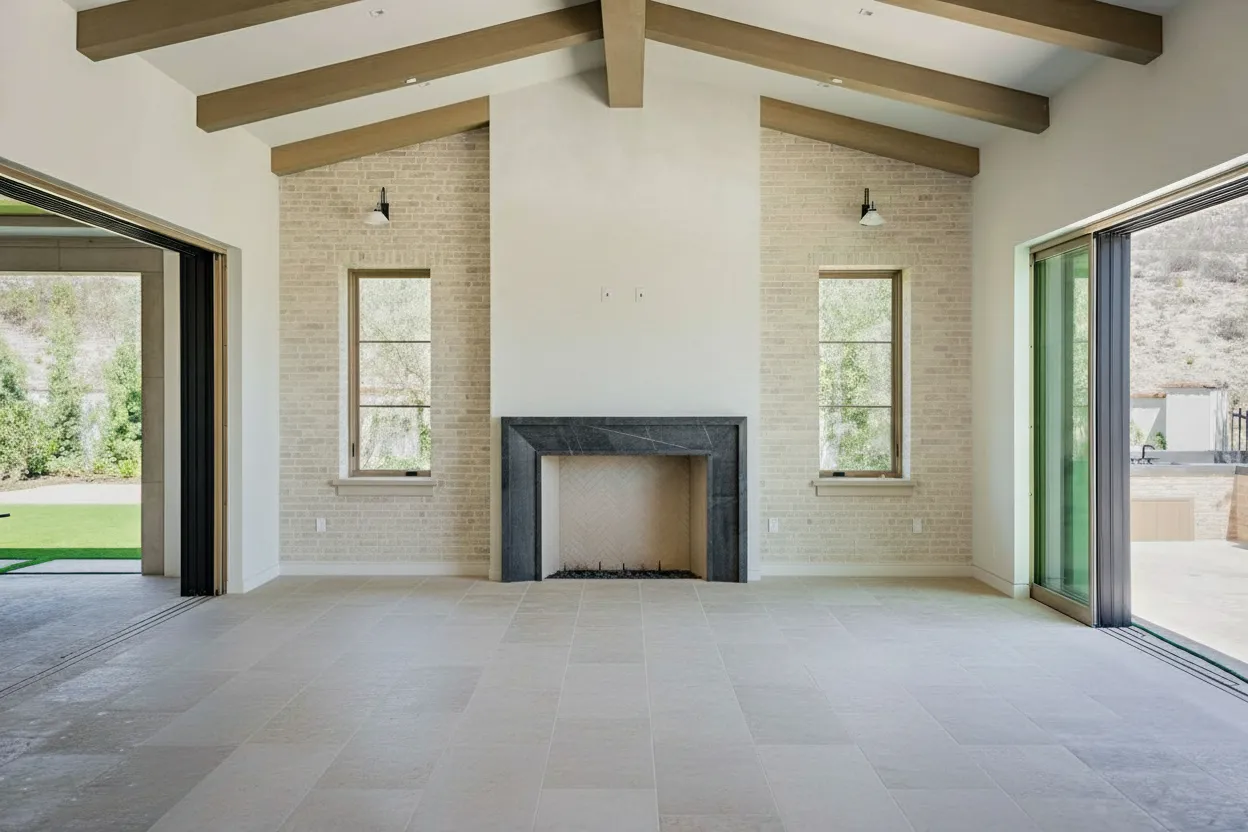
Exploring Modern Aesthetics: The Perfect Balance of Form and Function
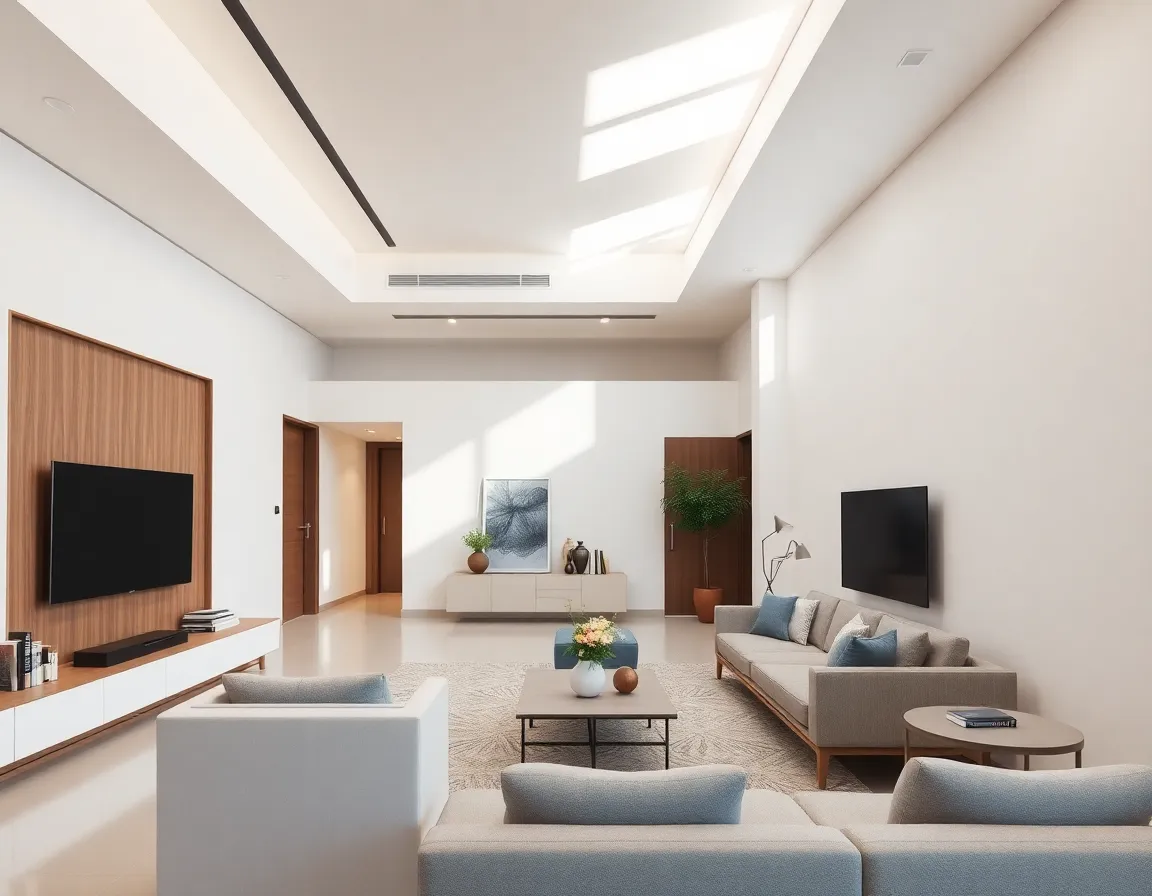
Modern aesthetics in design has evolved beyond simply looking good—today’s contemporary spaces masterfully balance visual appeal with practical functionality. This harmonious marriage of form and function defines the essence of modern design philosophy. In this comprehensive guide, we’ll explore how to achieve this delicate balance in your own spaces, providing actionable tips and expert insights to elevate your interior design approach.
Understanding Modern Aesthetics: Beyond Surface Appeal
Modern aesthetics isn’t just about creating visually striking spaces; it’s about designing environments that enhance our daily lives. The principle of “form follows function,” first coined by architect Louis Sullivan in the late 19th century, remains a cornerstone of contemporary design. However, today’s interpretation acknowledges that beauty and utility need not be mutually exclusive.
According to Architectural Digest, modern design embraces clean lines, intentional asymmetry, and a focus on materials and structure rather than decorative elements. The contemporary evolution of this style maintains these principles while introducing warmer elements and greater personalization.
Key Principles of Modern Aesthetic Design
- Simplicity and clarity - Eliminating excess and focusing on essential elements
- Honest use of materials - Showcasing natural textures and properties of materials
- Emphasis on space and light - Creating airy, open environments with strategic lighting
- Seamless integration of technology - Incorporating innovation without visual disruption
- Sustainability - Considering environmental impact and longevity
💡 Pro Tip: When designing a modern space, ask yourself if each element serves both an aesthetic and functional purpose. If it fails either test, reconsider its inclusion.
Form vs. Function: Finding the Sweet Spot
The tension between form and function has fueled design debates for generations. Today’s most successful spaces recognize that this isn’t an either/or proposition—it’s about finding the optimal balance for each unique environment.
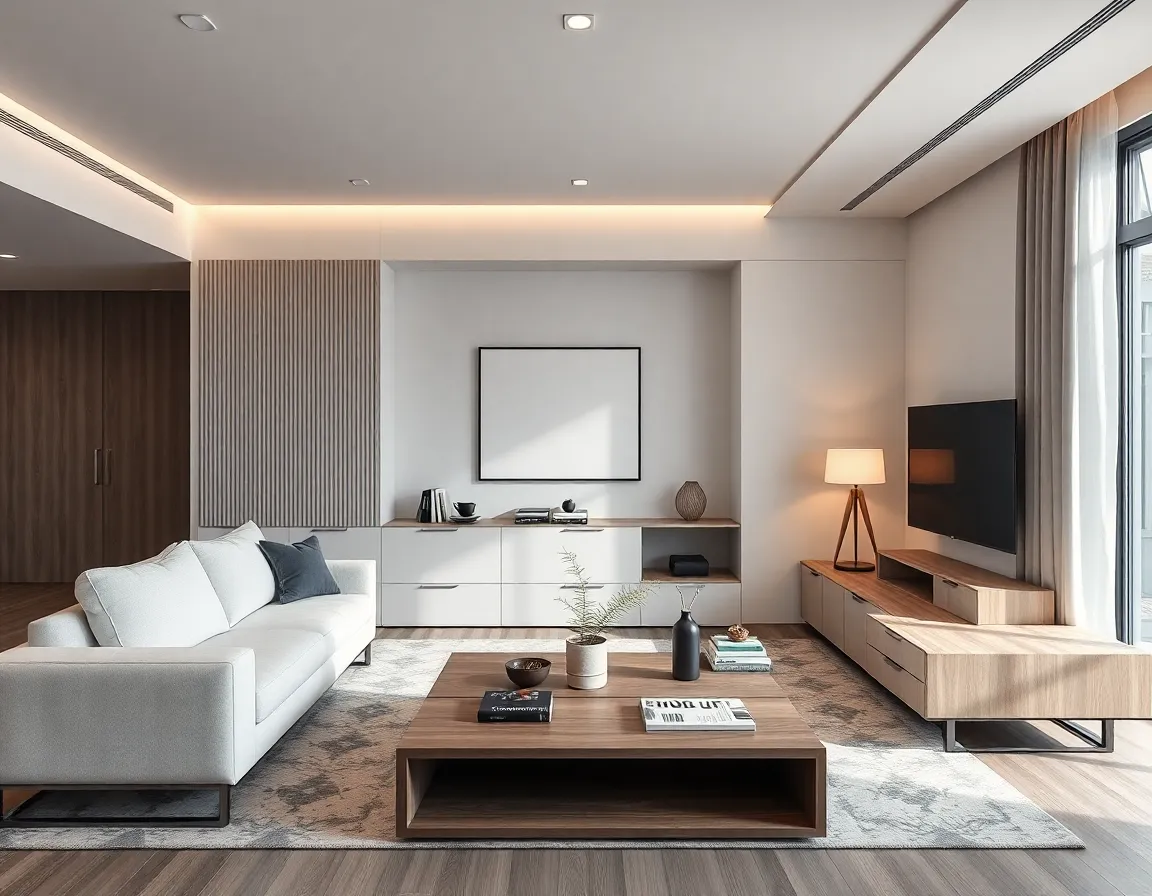
The Cost of Prioritizing Form Over Function
Purely decorative spaces might photograph beautifully, but they often fail in daily use. Consider these pitfalls:
- Uncomfortable seating chosen solely for its sculptural quality
- Poor traffic flow created by furniture arrangements that ignore human movement patterns
- Inadequate lighting that looks artistic but doesn’t illuminate necessary tasks
- Storage solutions that are hidden but impractical to access regularly
According to a study featured on Houzz, homeowners who prioritized appearance over functionality in renovation projects were 37% more likely to express regret about their choices within two years.
The Limitations of Pure Functionalism
Conversely, spaces designed solely for function often feel clinical and uninspiring:
- Institutional feeling that lacks personality or warmth
- Missed opportunities to create emotional connections with surroundings
- Environments that serve physical needs but neglect psychological comfort
- Utilitarian approaches that ignore the human desire for beauty
Steps to Balance Form and Function in Your Space
-
Begin with function mapping
- Document how you actually use each space throughout the day
- Identify pain points in your current layout or design
- Establish functional priorities before considering aesthetics
-
Select dual-purpose elements
- Choose furniture and fixtures that serve multiple roles
- Invest in quality pieces that blend beauty with durability
- Consider modular systems that adapt to changing needs
-
Create visual hierarchy
- Determine focal points that are both beautiful and functional
- Use color, texture, and light to guide attention appropriately
- Allow practical elements to become design features rather than hiding them
-
Test before committing
- Use BrightShot to visualize design changes before implementation
- Create mockups or temporary arrangements to evaluate both aesthetic appeal and usability
- Collect feedback from everyone who regularly uses the space
💡 Pro Tip: Take photos of your space at different times of day and analyze them objectively. Often, functional issues that we’ve learned to live with become more apparent when viewed in images.
Practical Applications: Room-by-Room Implementation
Let’s explore how to apply these principles in specific rooms of your home.
Modern Kitchen Design: The Ultimate Form-Function Laboratory
The kitchen perhaps best exemplifies the need for balance between form and function. A visually stunning kitchen that makes cooking difficult fails its primary purpose, while a purely utilitarian space misses opportunities to inspire culinary creativity.
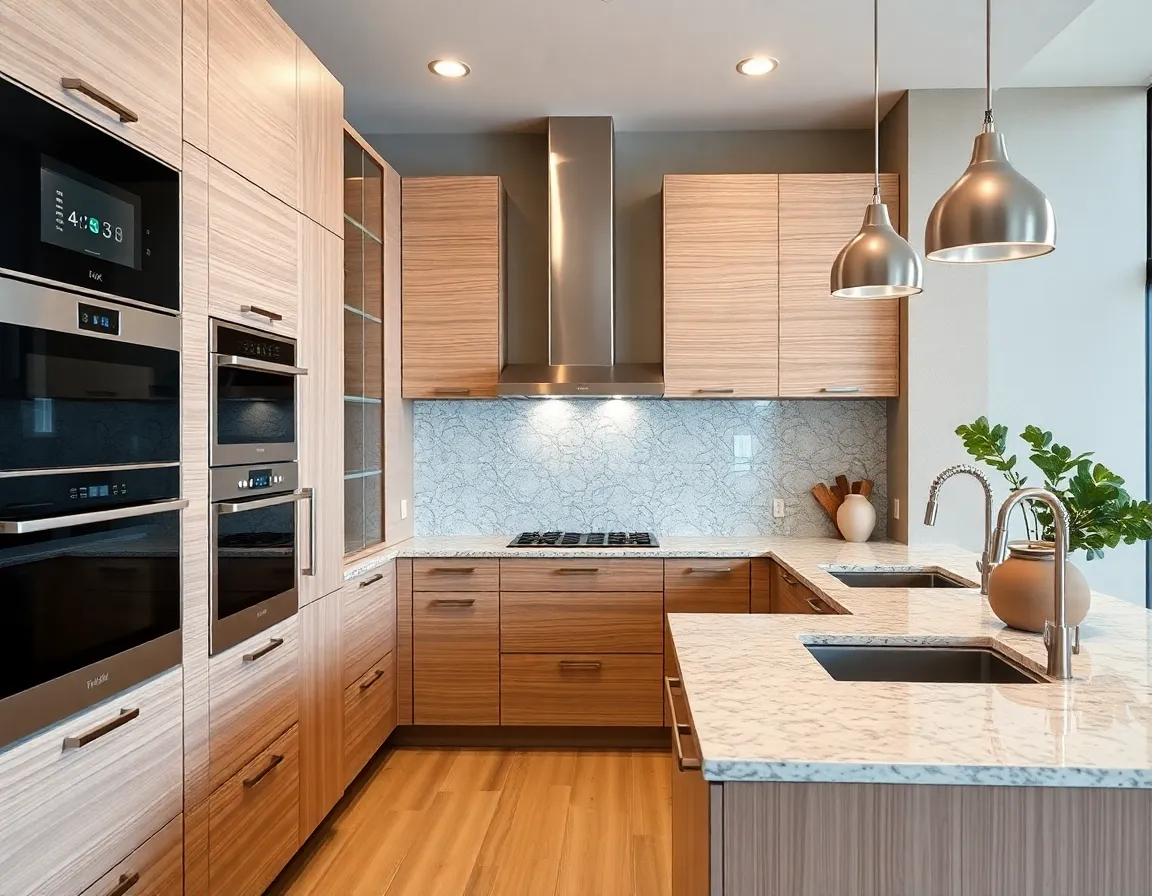
Kitchen Design Elements That Excel at Both Form and Function
- Quartz countertops - Beautiful, durable, and low-maintenance
- Hidden storage solutions - Maintaining clean lines while maximizing organization
- Statement range hoods - Functional ventilation that serves as architectural focal points
- Integrated appliances - High-performance tools that disappear into the design
- Undermount sinks - Sleek appearance with practical cleaning advantages
Kitchen Materials Comparison
| Material | Aesthetic Appeal | Functionality | Durability | Maintenance | Price Range |
|---|---|---|---|---|---|
| Marble Countertops | ⭐⭐⭐⭐⭐ | ⭐⭐⭐ | ⭐⭐ | ⭐⭐ | $75-200/sq ft |
| Quartz Countertops | ⭐⭐⭐⭐ | ⭐⭐⭐⭐⭐ | ⭐⭐⭐⭐⭐ | ⭐⭐⭐⭐⭐ | $50-120/sq ft |
| Solid Wood Cabinetry | ⭐⭐⭐⭐⭐ | ⭐⭐⭐⭐ | ⭐⭐⭐⭐ | ⭐⭐⭐ | $500-1,200/linear ft |
| Thermofoil Cabinetry | ⭐⭐⭐ | ⭐⭐⭐⭐ | ⭐⭐⭐ | ⭐⭐⭐⭐ | $200-350/linear ft |
| Ceramic Tile Flooring | ⭐⭐⭐⭐ | ⭐⭐⭐⭐ | ⭐⭐⭐⭐ | ⭐⭐⭐ | $5-20/sq ft |
| Luxury Vinyl Tile | ⭐⭐⭐ | ⭐⭐⭐⭐⭐ | ⭐⭐⭐⭐ | ⭐⭐⭐⭐⭐ | $3-10/sq ft |
| BrightShot Design Tool | ⭐⭐⭐⭐⭐ | ⭐⭐⭐⭐⭐ | N/A | N/A | Free-Premium |
For kitchen remodels, This Old House recommends focusing on the “work triangle” connecting the refrigerator, sink, and stove. This functional principle can be implemented within any aesthetic style.
Living Room: Balancing Social Connection and Personal Comfort
Modern living rooms must serve multiple purposes: entertaining guests, providing comfortable relaxation, supporting media consumption, and often accommodating work-from-home scenarios.
Strategic Furniture Selection for Form and Function
🔵 Budget-Friendly Options (under $50)
- Multifunctional ottomans from Target that provide seating, storage, and table surfaces
- Decorative baskets that control clutter while adding texture and warmth
- Lightweight side tables that can be easily repositioned for different activities
🟡 Mid-Range Investments ($50-200)
- Modular shelving systems that adapt to changing storage and display needs
- Statement floor lamps that provide both ambient and task lighting
- Media consoles with integrated cable management and ventilation
🟢 Premium Selections ($200+)
- Sectional sofas with built-in storage and reconfiguration options from West Elm
- Smart furniture with integrated charging and connectivity features
- Custom-built storage walls that maximize vertical space while creating visual interest
💡 Pro Tip: When arranging living room furniture, map out different scenarios (movie night, entertaining guests, family game night) and ensure your layout can easily transition between these functions without major rearrangement.
Home Office: Productivity Meets Inspiration
The rise of remote work has elevated the importance of well-designed home offices. These spaces must support focused work while integrating seamlessly into residential environments.
Creating a Functional Yet Inspiring Workspace
Essential elements for a modern home office that balances form and function:
- Ergonomic seating - Invest in chairs that support proper posture while complementing your aesthetic
- Adjustable lighting - Layer task, ambient, and accent lighting for both function and atmosphere
- Cable management solutions - Maintain clean lines while accommodating technology needs
- Personalized organization systems - Customize storage based on your specific workflow
- Biophilic elements - Incorporate plants and natural materials to enhance wellbeing and visual appeal
CB2 offers several desk options that exemplify modern aesthetics while providing practical features like integrated storage and cable management.
Sustainable Design: The Ultimate Form-Function Harmony
Perhaps the most compelling example of form-function balance is found in sustainable design. Environmental consciousness demands that we create spaces that are not only beautiful and useful but also responsible.
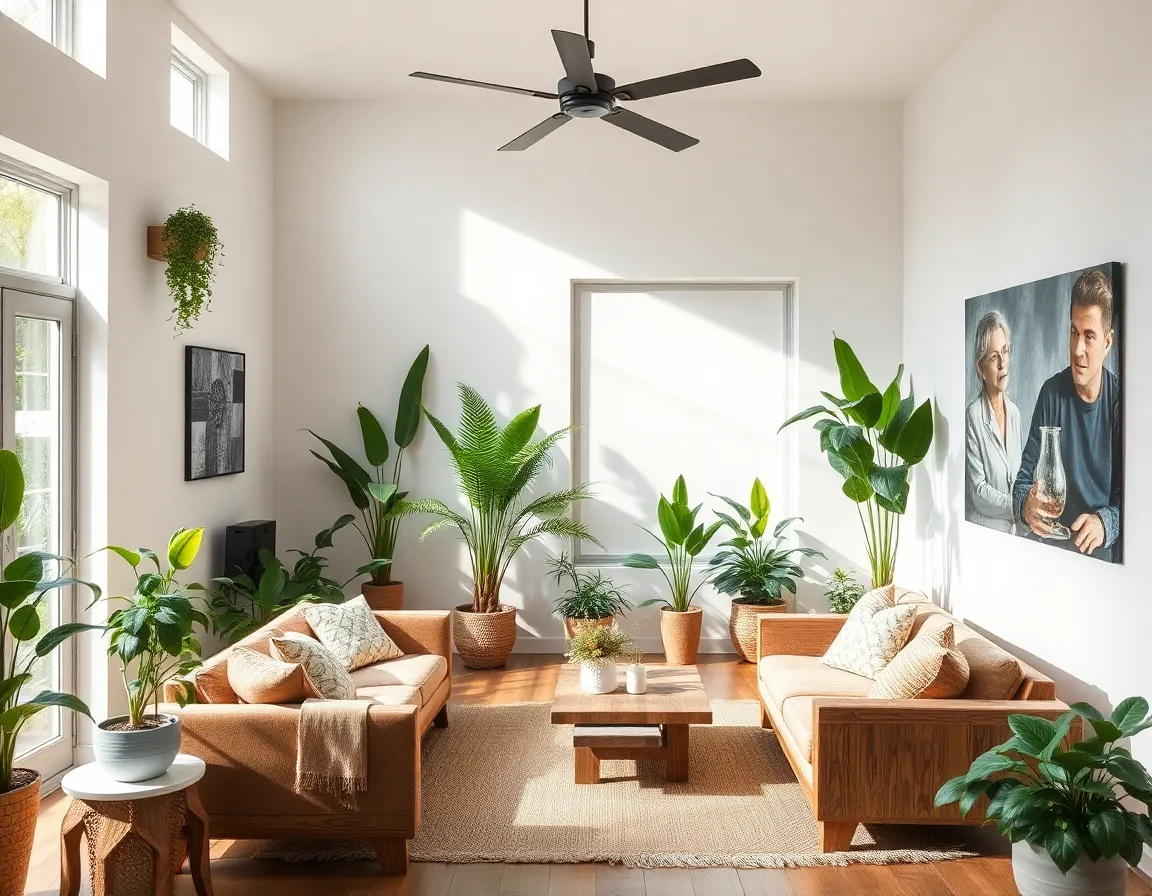
Sustainable Design Elements That Excel at Form and Function
- Reclaimed materials - Adding character while reducing environmental impact
- Energy-efficient fixtures - Creating ambient lighting while reducing consumption
- Dual-purpose furniture - Maximizing space efficiency while minimizing resource use
- Indoor plants - Providing aesthetic appeal while improving air quality
- Smart home technology - Enhancing convenience while optimizing energy usage
According to Elle Decor, 76% of interior designers report increased client interest in sustainable options, with particular emphasis on products that don’t compromise on style or functionality.
Using Technology to Visualize Form-Function Balance
One of the challenges in achieving form-function harmony is visualizing the result before committing to changes. This is where digital design tools become invaluable.
AI-Powered Design Visualization Tools
Modern technology has revolutionized how we plan and implement design changes. Tools like BrightShot allow you to:
- Generate multiple design concepts based on your space and preferences
- Visualize how different furniture arrangements will function in daily use
- Experiment with color schemes and material combinations without commitment
- Receive personalized recommendations that balance aesthetic goals with practical needs
- Test how design choices will look in different lighting conditions and times of day
💡 Pro Tip: Before finalizing any major design decisions, use BrightShot to create at least three different versions of your space—one that prioritizes form, one that emphasizes function, and one that seeks to balance both. This comparison often reveals unexpected insights about what matters most to you.
Modern Aesthetics in Commercial Spaces
While we’ve focused primarily on residential design, the principles of balancing form and function are equally critical in commercial environments. Retail spaces, offices, restaurants, and hotels all must strike this delicate balance to succeed.
Houzz features numerous examples of commercial spaces that effectively balance brand expression with user experience considerations.
Conclusion: Your Path to Harmonious Design
The pursuit of modern aesthetics is fundamentally about creating spaces that both please the eye and enhance our lives. By understanding the principles that unite form and function, you can develop environments that are not just visually striking but genuinely supportive of your daily activities and long-term wellbeing.
Remember that achieving this balance is rarely a one-time endeavor. The most successful spaces evolve over time, responding to changing needs and preferences while maintaining core design principles.
As you embark on your next design project, consider using BrightShot to help visualize and refine your ideas. This AI-powered interior design tool can generate personalized recommendations that honor both the aesthetic and functional aspects of your space, helping you achieve that perfect balance that defines truly exceptional modern design.
Whether you’re reimagining a single room or planning a complete home transformation, remember that the most beautiful spaces are ultimately those that work beautifully. Start your journey toward harmonious design today by exploring the possibilities with BrightShot’s innovative visualization tools.