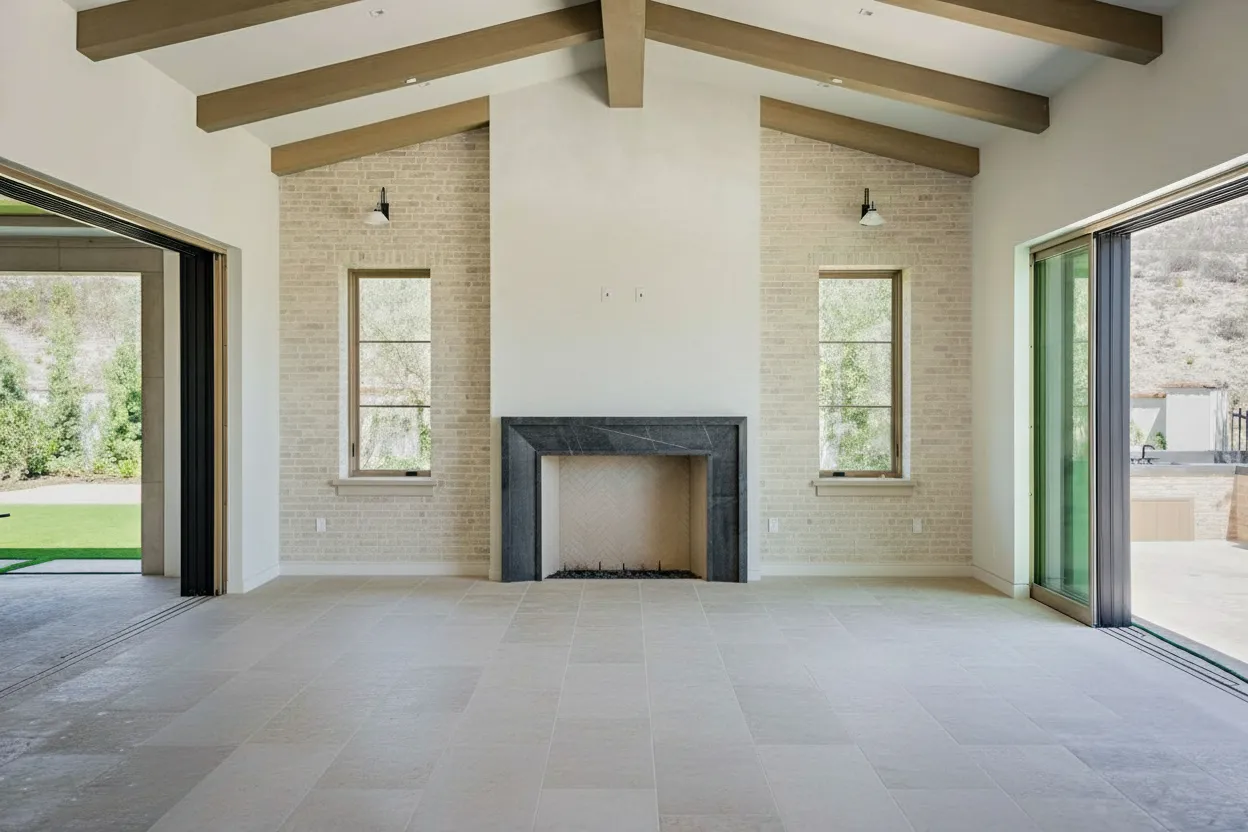
When you hear “beach house,” what comes to mind? If it’s a collection of starfish motifs, rope-wrapped lamps, and weathered anchor decor, you’re not alone. But that kitschy, literal interpretation is a thing of the past. Today’s modern beach house design is all about architectural simplicity and natural elegance.
It’s a style that trades tired clichés for expansive glass walls, clean lines, and a serene, nature-inspired palette. The real goal is to forge an unbreakable connection between the beautiful indoors and the stunning coastal environment right outside the door.

Redefining Coastal Living Beyond the Cliché
Let’s be honest—that old-school ‘beachy’ aesthetic can hold a listing back. For years, coastal design meant filling a home with literal translations of the seaside. Think jars of seashells and walls covered in driftwood. While it had its moment, this look now feels dated to the sophisticated buyers driving the market.
The coastal home market has matured. Buyers are looking for a more refined, almost minimalist feel that’s both luxurious and deeply connected to its natural setting. We’re talking about a fundamental shift in design philosophy, not just swapping out a few throw pillows.
The New Standard for Modern Beach House Design
The modern take on coastal living isn’t about bringing beach-themed knick-knacks inside. It’s about expertly framing the breathtaking beauty that’s already there. This approach is rooted in longevity, quality materials, and an effortless elegance that speaks directly to the high-end market.
Understanding this evolution is critical for any real estate professional. Properties that cling to the old look can feel more like a generic vacation rental, which can be a major turn-off for buyers seeking a primary residence or an upscale second home. This shift represents a clear departure from the overtly thematic styles of the past, a trend confirmed by top designers. You can read more about these evolving coastal design trends and see exactly how this change is impacting what buyers want.
Today’s buyers don’t want a house that screams ‘beach.’ They want a home that feels like the coast—calm, open, and filled with light. The value is in the experience, not the accessories.
What Discerning Buyers Expect Now
The most successful real estate agents get this. They’ve learned to speak a new language of modern beach house design that resonates with aspirational buyers, helping them sell waterfront properties faster and for more. They focus on features that signal lasting quality and a sophisticated lifestyle.
Here’s what this new standard really looks like in practice:
- Architectural Integrity: Think clean lines, massive windows, and wide-open layouts that are all about maximizing those incredible views and flooding the space with natural light.
- Natural Materials: The focus is on organic, touchable textures. We’re talking light woods, soft linens, woven rattan, and natural stone that create a warm, layered experience.
- Sophisticated Palettes: It’s time to move beyond the simple blue-and-white. The modern palette uses nuanced, earthy tones, soft neutrals, and complex layered whites to create a calming effect.
- Minimalist Styling: Spaces are left uncluttered and breathable. The architecture and the view become the main attractions, fostering a powerful sense of peace and order.
By mastering this new vocabulary, you can show buyers why a property isn’t just a house by the water, but a thoughtfully designed retreat built for a modern coastal life.
The Architectural Elements of Modern Coastal Homes
What’s the real difference between a simple house on the beach and a true icon of modern beach house design? The secret is in the architecture. While furniture and paint colors set the mood, it’s the home’s bones—its actual structure—that defines its relationship with the coast and creates that magnetic pull for high-end buyers.
Think about it this way: any cottage can provide shelter by the sea. But a modern coastal home is an experience, engineered from the ground up to dissolve the barrier between indoors and out. It’s a design philosophy that puts light, air, and the surrounding scenery first. For anyone selling these properties, understanding these architectural pillars is the key to telling a compelling story of value.
Expansive Glass and Seamless Transitions
The single most powerful feature in modern coastal architecture is a massive amount of glass. I’m not talking about just a few big windows. We’re talking about entire walls of floor-to-ceiling glass, retractable doors that vanish into the walls, and huge picture windows that frame the ocean view like a piece of living art.
This is about more than just a pretty view; it’s about creating a seamless flow between the living space and the landscape outside. When a living room can open completely onto a deck, the home’s footprint feels twice as large. This creates an effortless indoor-outdoor lifestyle, which is exactly what buyers in this market are dreaming of.
A modern beach house uses glass not just as a window, but as a permeable boundary. The goal is to make the walls disappear, allowing the sights, sounds, and breezes of the coast to become an integral part of the home itself.
This design choice fundamentally changes how a home feels. A property with a 15-foot sliding glass wall isn’t just offering a better view than a home with standard windows; it’s offering a completely different way to live.
Clean Lines and Geometric Forms
Forget the fussy trim and complicated rooflines of traditional beach cottages. Modern coastal architecture is all about clean, geometric lines and simple, uncluttered shapes. You’ll see flat or low-pitched roofs, strong horizontal planes, and almost no decorative frills.
This minimalist approach does a few important things:
- It directs your attention outward: By keeping the building itself visually simple, the real star of the show remains the natural surroundings—the water, the sky, the dunes.
- It creates a sense of calm: The clean geometry brings a feeling of order and serenity, which is a perfect counterpoint to the wild, dynamic coastal environment.
- It signals modern luxury: This stripped-back aesthetic is a signature of high-end contemporary design, immediately telling buyers this is a sophisticated and current property.
A classic example is the cantilevered balcony, where a deck juts out from an upper level with no visible supports underneath. It’s a dramatic, floating effect that feels incredibly light and open. Taking a look at different house elevation designs can show you just how these features come together to create a stunning final product.
Open-Concept Floor Plans
Inside, the perfect complement to all that glass and those clean lines is an open-concept floor plan. Modern beach houses almost always do away with interior walls separating the kitchen, dining, and living areas. This creates one vast, light-drenched great room.
This design not only makes the space feel bigger and more connected, but it also means the view is never blocked, no matter where you are. It’s a layout that just works for how we live and entertain today—it’s social, casual, and relaxed. When you’re marketing a property like this, highlighting the “airy, open-concept living” is essential. It perfectly captures that feeling of freedom that luxury buyers are chasing.
Choosing a Modern Coastal Palette and Finishes
A home’s architecture sets the stage, but it’s the palette and finishes that bring the modern beach house to life. Along the coast, these choices go far beyond simple aesthetics. They’re a matter of survival. We’ve moved past the tired, nautical themes of the past; today’s savvy buyers are looking for sophisticated color palettes and high-performance materials that signal quality, durability, and a low-maintenance lifestyle.
Think of it like outfitting a sailboat. You’d never choose materials that will rust, warp, or degrade in a saltwater environment, and the exact same logic applies inside a luxury coastal home. The finishes need to work with the environment, not against it. This means prioritizing materials that can handle the constant humidity, salt spray, and intense sun without losing their good looks.
The New Coastal Palette: Sophistication Over Cliché
The contemporary coastal palette is all about creating a sense of calm. It’s layered, inspired by nature, but with a much more refined and complex feel than the literal blues and whites of old. This approach creates a serene backdrop that allows the home’s architecture—and that stunning ocean view—to be the real stars.
You’ll see a few key color families in today’s best designs:
- Layered Whites and Off-Whites: Instead of a single stark white, designers use a mix of warm and cool whites to create depth. Think alabaster, soft linen, and creamy eggshell.
- Earthy Neutrals: Sandy beiges, gentle grays, and warm taupe tones ground the space, connecting it visually to the dunes and landscape just outside. For a deeper dive, see our guide on creating stunning blue-grey interior designs.
- Muted Naturals: Pops of color are soft and organic. Picture the subtle green of sea grass, the pale blue of a hazy morning sky, or the dusky blush of a sunset.
These palettes provide the perfect minimalist canvas for the clean lines and open spaces that define modern coastal architecture.

When you have expansive glass, an open floor plan, and clean lines, you need a color scheme that enhances light and space. That’s exactly what these sophisticated neutrals do best.
Finishes That Perform Under Pressure
For any coastal property, material selection is a long-term investment. The salty air and high humidity will absolutely wreak havoc on standard building materials, causing warping, corrosion, mold, and premature aging. This is precisely why modern beach house design leans so heavily on performance-grade finishes that deliver both beauty and resilience.
A focus on durable materials isn’t just a practical decision; it’s a powerful selling point. Highlighting these choices shows buyers that the home was built with quality and longevity in mind, justifying a premium price tag.
To give you a clearer picture, here’s a quick comparison of how material choices have evolved to meet the demands of coastal living.
Material Showdown: Traditional vs. Modern Coastal Finishes
| Feature | Traditional Material | Modern Alternative | Key Advantage |
|---|---|---|---|
| Flooring | Solid Hardwood | Engineered Hardwood, Luxury Vinyl Plank (LVP) | Resists warping and cupping from humidity; much more stable. |
| Cabinetry | Solid Wood | Painted MDF with marine-grade sealer, Composites | Prevents swelling and peeling in damp environments. |
| Countertops | Granite, Marble | Quartz, Sintered Stone | Non-porous surfaces that won’t etch or stain from salt/moisture. |
| Exterior Siding | Wood Shingles | Fiber Cement, Cellular PVC Trim | Impervious to rot, insects, and moisture damage; low maintenance. |
| Hardware | Brass, Chrome | Stainless Steel (316 grade), Powder-Coated Metals | Superior corrosion resistance against salty air. |
These modern alternatives aren’t just practical upgrades; they’re essential for preserving the home’s value and appeal for years to come. Buyers immediately recognize these features as a sign of a well-built, thoughtfully designed property.
Bringing in Texture and Warmth
To keep these neutral, performance-driven spaces from feeling cold or sterile, texture is key. Introducing different tactile surfaces adds visual interest and a sense of warmth that makes a house feel like a home.
Look for opportunities to layer in these high-impact textural elements:
- Limewash or Plaster Walls: These finishes give walls a soft, matte look with subtle movement that catches the light beautifully.
- Natural Fiber Rugs: Jute, sisal, and wool rugs are perfect for defining zones in open-plan rooms and adding organic warmth underfoot.
- Light Woods: Blonde woods like white oak, ash, and bamboo are go-to choices for flooring, custom cabinetry, and furniture, bringing a natural lightness to the space.
- Woven Accents: A touch of rattan or wicker in light fixtures, bar stools, or accent chairs provides that classic coastal nod without feeling dated.
Designing and Furnishing the Right-Sized Coastal Home

That old real estate mantra, “bigger is better,” is losing its grip, especially in sought-after coastal markets. Buyers these days are looking for something different. They’re trading sheer, cavernous square footage for quality of life, smart design, and a home that’s easy to live in and maintain.
For real estate pros who get it, this shift is a golden opportunity. Instead of wanting cavernous hallways and rooms that collect dust, buyers are drawn to homes with intentional, well-designed spaces that feel both luxurious and manageable. In fact, recent housing research shows that for many, the sweet spot for a new home is between 1,500 and 2,500 square feet. This isn’t about downsizing; it’s about rightsizing for a life of comfort without the baggage of unnecessary space.
Making Smaller Spaces Feel Grand
The secret to marketing a more compact coastal home is showing how clever modern beach house design can make 2,000 square feet feel more open and livable than a poorly laid-out 3,000-square-foot house. It all comes down to strategic furnishing and staging that puts openness, light, and flow front and center.
Think of it like designing the interior of a luxury yacht—every inch has a purpose, and nothing gets in the way of the view. Your job is to create an atmosphere that feels expansive and liberating, not boxed in.
So, how do you do it? Focus on furniture that tricks the eye into seeing more space than is actually there.
- Choose Low-Profile Pieces: Sofas, chairs, and coffee tables with low backs and sleek profiles keep sightlines open. This lets your gaze travel smoothly across the room and straight out to that stunning ocean view.
- Embrace Organic Shapes: A curved sofa or a round coffee table can work wonders. They soften the hard corners of a room and improve the natural flow of traffic, making the space feel instantly more welcoming and less rigid.
- Use Leggy Furniture: When you can see the floor under a piece of furniture, the room feels bigger. Opt for pieces with visible legs to create a sense of airiness, preventing the room from feeling heavy or weighed down.
Creating Functional Zones with Natural Materials
In a modern open-concept layout, you need to create different “rooms” without putting up walls. This is where furniture placement and area rugs become your best friends. You can easily carve out a zone for dining, a cozy conversation nook, and a media area just by arranging your furnishings thoughtfully.
And when it comes to the furnishings themselves, natural materials are non-negotiable for nailing that authentic coastal aesthetic. They bring in texture, warmth, and a tangible connection to the outdoors.
A well-placed rattan armchair or a simple linen sofa does more than just fill a space; it tells a story of relaxed, sophisticated coastal living. It communicates a lifestyle of intentional simplicity that modern buyers crave.
To capture that breezy, authentic feel, weave these materials into your staging:
- Rattan and Wicker: These are perfect for accent chairs, eye-catching light fixtures, or side tables.
- Light Woods: Think white oak and ash for furniture and flooring to keep things feeling bright and airy.
- Linen and Cotton: Use these breathable, natural fabrics for everything from sofa upholstery to light, airy window treatments.
By staging with these elements, you’re doing more than just decorating a house. You’re selling the low-maintenance, high-quality lifestyle that is the very essence of modern coastal living. For those looking to take it a step further, especially for investment properties, think about designing an irresistible rental property that truly captures the market’s imagination. Of course, furnishing these spaces is a critical investment, and you can learn more about the costs of furnishing an apartment to help you plan your budget effectively.
How to Market Coastal Homes with AI-Powered Visuals
So, you’ve got a handle on what makes a modern beach house tick. But knowing what makes a great coastal home and successfully marketing one are two very different things. We all know the first showing isn’t at the open house anymore—it’s on a screen. This is where you can get a serious edge with AI-powered visuals, letting you sell the coastal dream even when the property itself isn’t quite there yet.
Think about your newest coastal listing. It’s got great bones, but it’s completely empty. An empty house is just a box. It feels cold, and it’s tough for buyers to picture their own lives unfolding within those walls. This is precisely where virtual staging comes into play. Instead of the headache and high cost of physical staging, you can digitally furnish the entire home in that perfect modern coastal style—think light wood furniture, breezy linen sofas, and sophisticated neutral tones. You’re not just filling a room; you’re building a vision.
With a platform like BrightShot, you can apply curated design styles that bring that modern coastal vibe to life instantly. It helps buyers form an emotional connection right from their phone or laptop.
Transforming Imperfect Listings into Perfect Visions
Let’s be real: not every coastal property we list is a pristine, move-in-ready dream. Far from it. Many have incredible potential but are dragged down by dated decor, clutter, or just plain bad lighting. AI-powered editing gives you a whole suite of tools to fix these common marketing problems, making sure your photos show the property at its absolute best.
These aren’t just minor touch-ups. They’re smart, targeted transformations that can head off buyer objections before they even have a chance to form. The goal is always to strip away the distractions and get buyers focused on what matters: the home’s incredible space, natural light, and unique connection to the coast. You can see just how critical this is in our guide on marketing houses designed for views.
Here’s how you can solve some of the most frequent listing photo issues:
- Day-to-Dusk Conversion: A home’s sunset view is often its million-dollar feature. Why not show it off? AI can take a flat, midday photo and transform it into a stunning twilight shot, painting the sky with golden hues and turning on warm interior lights. It’s an instant “wow” factor.
- AI Decluttering: Is the seller’s personal collection of seashell art and nautical tchotchkes getting in the way? An intelligent decluttering tool can wipe the slate clean, removing personal items and dated decor to create a minimalist canvas that feels fresh and modern.
- Style Transformation: You can even take it a step further. AI doesn’t just remove things; it can reimagine a space entirely. Picture turning a room with tired, worn carpeting into a bright, airy space with beautiful engineered hardwood floors and a fresh coat of neutral paint—all done digitally in minutes.
Showcasing the Dream, Not Just the Reality
Think of these AI tools as the bridge between the house as it is and the house as it could be. For instance, if the backyard has a sad, patchy lawn, you can instantly replace it with lush, green grass in the photo. It’s a simple change, but it completely transforms the home’s curb appeal and makes it feel vibrant and welcoming.
Today’s buyers purchase a vision, not just bricks and mortar. AI visuals allow you to craft that vision with precision, showcasing a home’s ultimate potential and accelerating the sales process.
For real estate agents, this is a total game-changer. You’re no longer stuck marketing a property based on its current condition. Instead, you can present its best possible future, which naturally attracts a bigger pool of interested buyers and helps justify a stronger asking price. To really make your properties pop, it’s worth a look into mastering AI-powered ad creatives for your visual campaigns.
By working these tools into your marketing process, you’re shifting from simply documenting a property to strategically selling it. You can use virtual staging to highlight the perfect flow of an open-concept living area, lean on a day-to-dusk effect to emphasize a priceless view, and erase decades of questionable style choices with a click. You’re finally free to sell the dream.
Answering Your Top Modern Beach House Design Questions
Let’s be honest, not every client is on board with modern coastal design right away. You’re bound to run into questions and a bit of pushback. Knowing how to handle those conversations with confidence isn’t just about sounding smart—it’s about getting the listing, guiding your clients, and ultimately, closing the deal for the best price.
Think of the following as your field guide for the most common questions you’ll face. We’ll break down how to address concerns and turn a client’s hesitation into a clear understanding of the home’s true potential.
How Do I Convince a Seller to Update Their Dated Decor?
This is a delicate conversation, but it’s crucial. The trick is to take your personal opinion completely out of it and focus squarely on the financial return. It’s about money, not taste.
Explain that today’s buyers see dated decor—like heavy seashell collections or overly-themed nautical rooms—as a project. And projects mean time, effort, and money they’ll have to spend. You’re not asking them to change their home; you’re advising them on a strategic marketing decision to attract the largest possible pool of qualified buyers.
The most effective way to do this? Show them the money. Use a visual tool to create a quick before-and-after.
When you can take a photo of their living room and transform it into a modern coastal space right before their eyes, the potential becomes real. It’s no longer just your advice; it’s a tangible picture of what their home could be worth.
What Are the Top Three Features to Highlight?
When you’re writing listing copy or walking buyers through a modern coastal home, you need to zero in on the features that scream “lifestyle.” It’s about more than just looks; it’s about selling the feeling of living there.
-
1. Connection to the Outdoors: This is your headliner. Talk about the expansive sliding glass walls that blur the line between inside and out. Point out the floor-to-ceiling windows that frame the ocean view like a piece of art. Emphasize the thoughtfully designed deck or patio as a true extension of the living space.
-
2. High-Performance Materials: Buyers in this market are savvy. They appreciate quality that lasts. Mention specifics like durable engineered hardwood floors, sleek quartz countertops that resist stains and scratches, and weather-resistant cabinetry built for the coastal climate. These details signal low maintenance and long-term value.
-
3. Open, Light-Filled Layouts: Use your words to paint a picture. Phrases like “an airy, open-concept living area” or “flooded with abundant natural light” immediately create a sense of calm and space. You’re not just describing a floor plan; you’re describing an atmosphere.
Is Virtual Staging Effective for High-End Coastal Properties?
It’s not just effective; for high-end properties, it’s practically essential. Luxury buyers aren’t just looking for a house; they’re buying into a dream. An empty, sterile room completely shatters that dream.
High-quality virtual staging bridges that gap. It allows you to present a polished, sophisticated vision of the home that feels both elegant and inviting. Instead of seeing empty space, a potential buyer sees a perfectly curated, move-in-ready lifestyle. It gives you all the power of professional staging to make a powerful first impression, but without the massive cost and logistical headaches of moving physical furniture.
Ready to transform your property listings with stunning, AI-powered visuals? With BrightShot, you can virtually stage rooms, declutter spaces, and create breathtaking day-to-dusk images in seconds. Start your free trial today and see the difference for yourself at BrightShot.