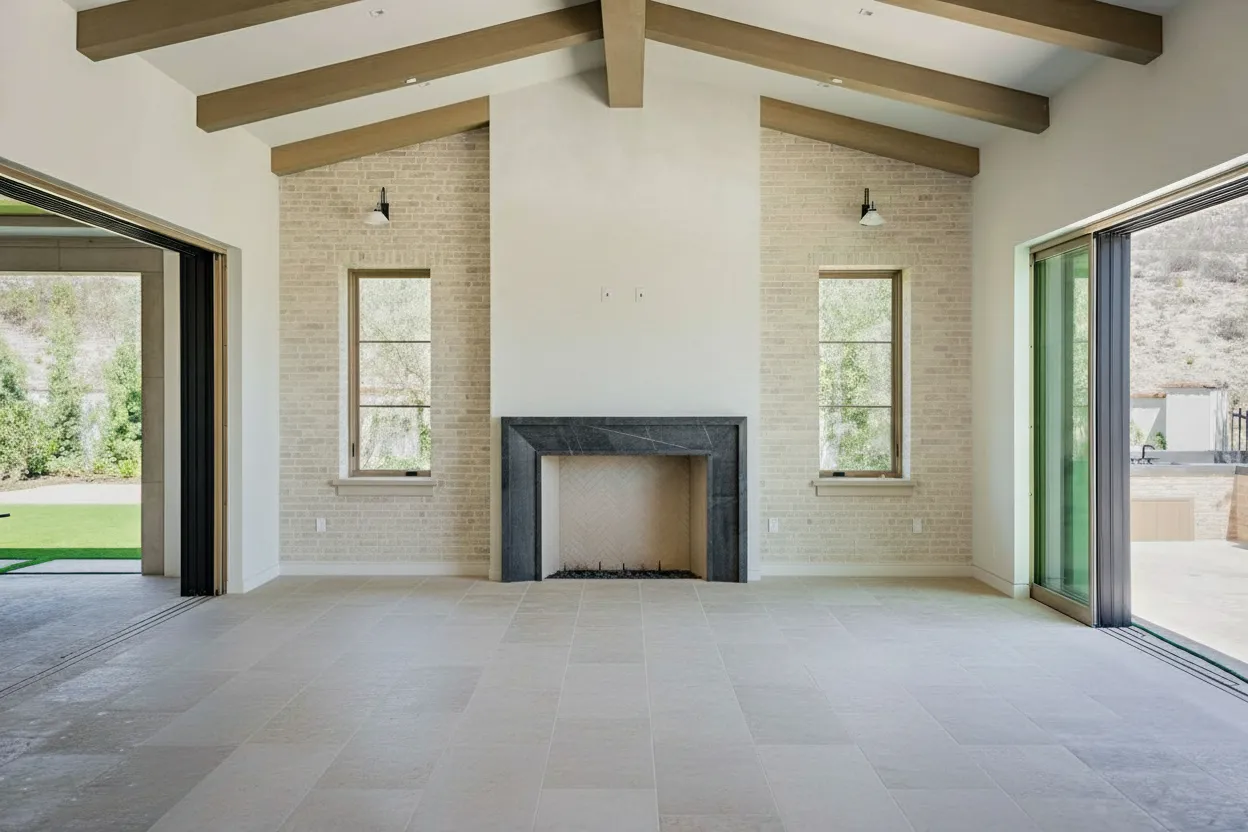
10 Tips for Creating Cozy Hygge Decor in Your Home
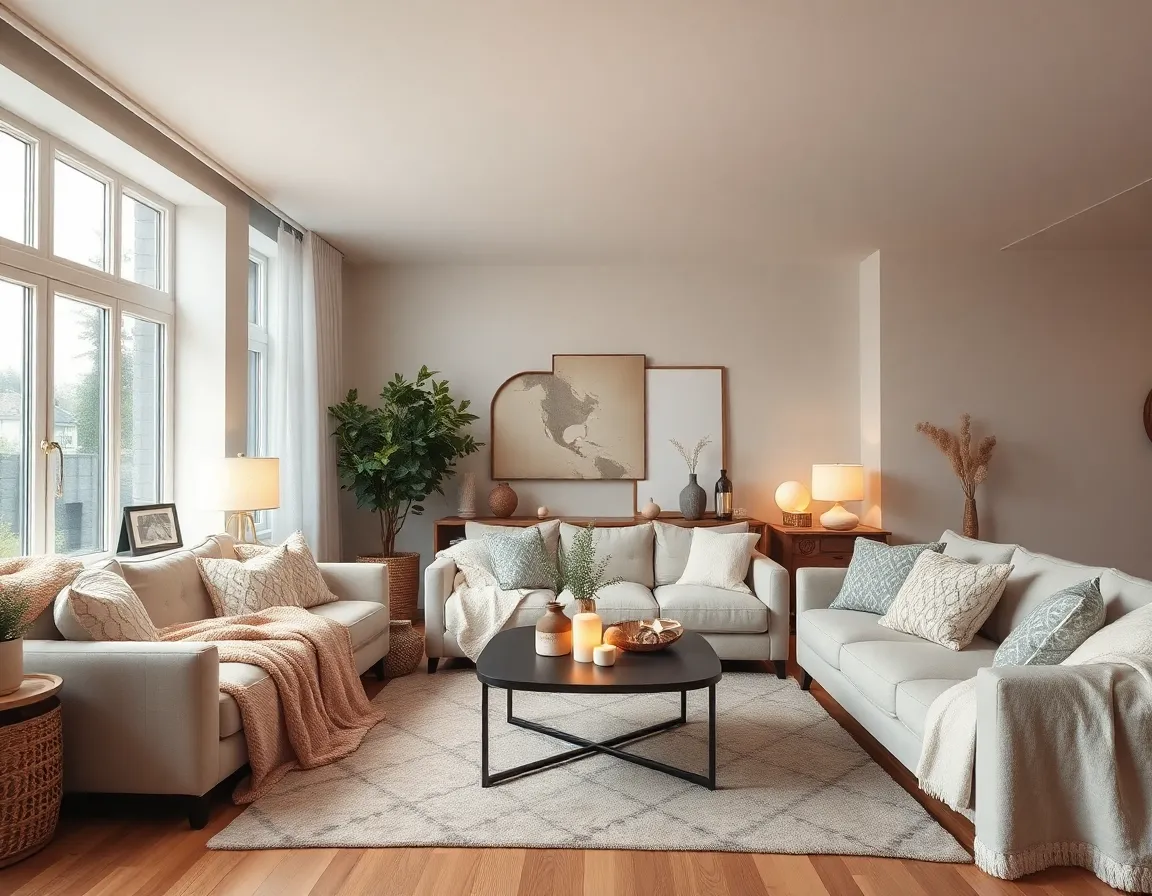
In our fast-paced modern world, the Danish concept of hygge (pronounced “hoo-ga”) has captured hearts globally for good reason. This philosophy celebrates coziness, comfort, and contentment, transforming ordinary spaces into sanctuaries of warmth and well-being. Creating a hygge-inspired home isn’t about following rigid design rules or spending extravagantly—it’s about cultivating an atmosphere that embraces simplicity, authenticity, and moments of joy.
Whether you’re redesigning your entire home or simply looking to add touches of comfort to your existing space, these ten essential tips will guide you in creating a truly hygge environment that nurtures both body and spirit throughout the seasons.
What Is Hygge and Why Does It Matter?
Before diving into specific decor tips, let’s understand what makes hygge so special. Originating from Denmark—consistently ranked among the world’s happiest countries—hygge represents more than just a design trend. It’s a lifestyle approach that emphasizes finding pleasure in ordinary moments and creating environments that foster connection, comfort, and contentment.
According to the Happiness Research Institute, hygge plays a significant role in Danish happiness, helping people cope with long, dark winters by creating spaces that feel warm and inviting. The concept has since spread worldwide, offering an antidote to the stress and disconnection that often characterizes modern life.
💡 Pro Tip: Hygge isn’t about perfection—it’s about creating spaces that make you feel good. Focus on what brings you personal comfort rather than following strict design rules.
1. Layer Soft Textiles for Ultimate Comfort
The foundation of hygge decor begins with textiles that invite touch and create warmth. Think of your home as a cocoon where every surface offers comfort.
Essential Textile Elements:
- 🎨 Chunky knit throws draped casually over sofas and chairs
- 🎨 Plush area rugs that warm up wooden or tiled floors
- 🎨 Multiple cushions in varying textures (wool, velvet, cotton)
- 🎨 Sheepskin or faux fur accents on chairs, floors, or beds
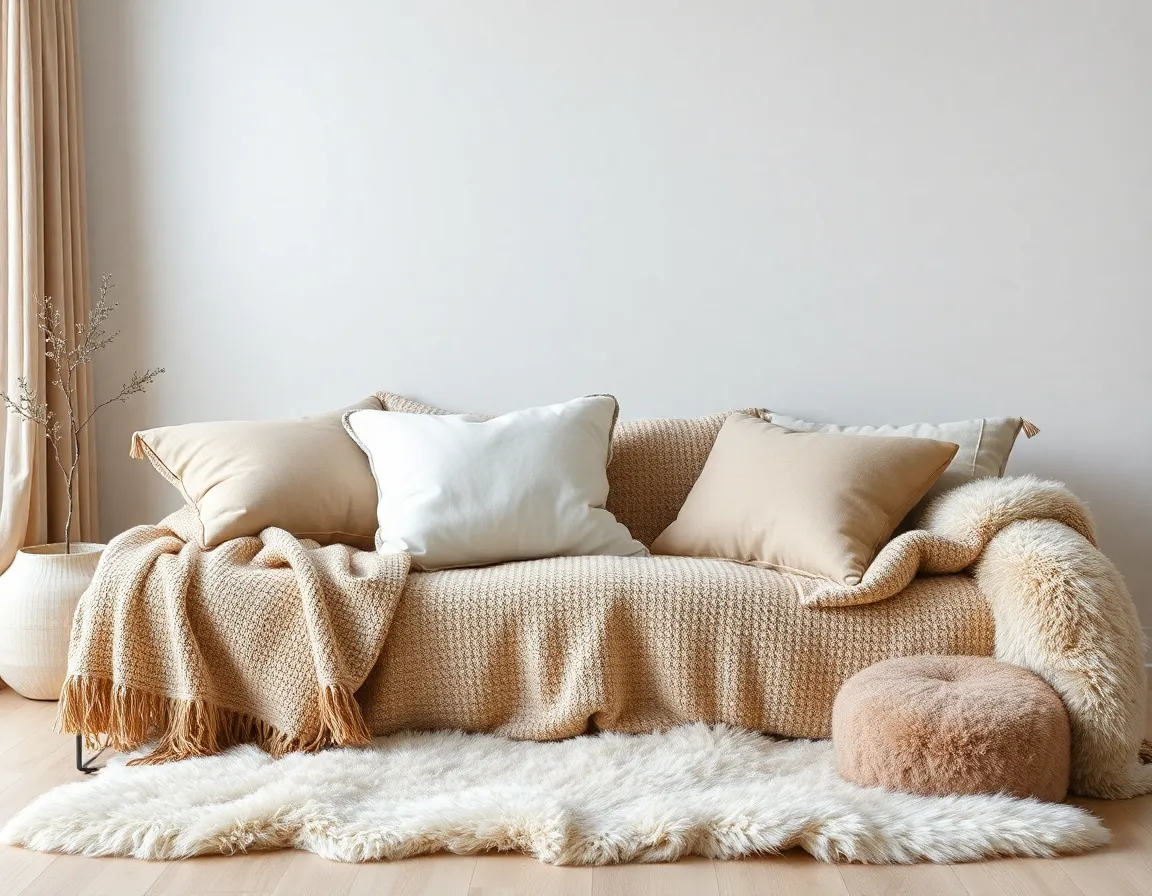
When selecting textiles, prioritize natural materials when possible. According to West Elm’s design blog, natural fibers like wool, cotton, and linen not only feel better against the skin but also regulate temperature more effectively and age with character.
Textile Budget Options:
- 🔵 Budget-Friendly (under $50): H&M Home offers affordable cotton throws and cushion covers in neutral tones perfect for layering.
- 🟡 Mid-Range ($50-200): Pottery Barn provides high-quality chenille and knit throws that balance durability with softness.
- 🟢 Premium ($200+): The Citizenry offers ethically-sourced, artisan-made textiles that bring authentic craftsmanship into your hygge home.
💡 Pro Tip: Rather than matching perfectly, aim for a “collected over time” look with textiles in complementary neutrals and subtle patterns for a lived-in, authentic feel.
2. Master the Art of Ambient Lighting
Perhaps no element is more essential to hygge decor than thoughtful lighting. The Danes have elevated lighting to an art form, using it to create atmosphere rather than simply illuminate spaces.
Hygge Lighting Essentials:
- 🏠 Multiple light sources at varying heights (floor lamps, table lamps, sconces)
- 🏠 Warm-toned bulbs (2700-3000K) that cast a golden glow
- 🏠 Candles in abundance (scented or unscented)
- 🏠 String lights for whimsical charm
- 🏠 Dimmers on overhead fixtures to adjust ambiance
According to Lighting Design Alliance, layered lighting that combines ambient, task, and accent sources creates depth and flexibility in your space. This approach allows you to adjust the mood throughout the day and for different activities.
Candle Considerations:
Candles are particularly significant in hygge decor. Danes are among the highest consumers of candles in the world, and for good reason—their flickering light creates an instantly cozy atmosphere that electric lighting can’t fully replicate.
For those concerned about indoor air quality, The Candle Lab recommends choosing soy or beeswax candles with cotton wicks and natural fragrances (or unscented options) to minimize potentially harmful emissions.
3. Embrace Natural Elements
Bringing nature indoors creates a grounding effect essential to hygge decor. Natural materials connect us to the outside world and add organic warmth to any space.
Ways to Incorporate Natural Elements:
- 💰 Wooden accents (furniture, bowls, utensils)
- 💰 Stone features (coasters, vases, decorative objects)
- 💰 Indoor plants (both large statement plants and small clusters)
- 💰 Natural fibers (jute, sisal, seagrass in rugs and baskets)
- 💰 Branches, pinecones, or seasonal foliage displayed simply
Research from the Journal of Physiological Anthropology suggests that interacting with indoor plants can reduce stress and improve mental wellbeing—perfectly aligned with hygge’s emphasis on comfort and contentment.
💡 Pro Tip: Wood elements with visible grain add warmth and character. Look for reclaimed or sustainably harvested pieces from Etsy artisans for unique items with environmental benefits.
4. Create Intimate Gathering Spots
Hygge celebrates togetherness and intimate connection. Design your space with conversation areas that naturally bring people together.
Conversation-Friendly Arrangements:
- ⭐ Position seating to face each other at comfortable angles
- ⭐ Keep coffee tables or ottomans within easy reach for setting down drinks
- ⭐ Include side tables beside each seat for personal items
- ⭐ Arrange furniture in slight U-shapes rather than straight lines
- ⭐ Consider lower seating options that feel more intimate
According to interior designers at Houzz, the ideal distance between conversational seating is between 3.5 to 8 feet—close enough to converse comfortably without raising voices, yet not so close that people feel their personal space invaded.
Using the AI-powered design tool BrightShot, you can experiment with different furniture arrangements to find the perfect conversational setup for your space without moving heavy furniture repeatedly. Simply upload a photo of your room, and BrightShot can generate various layout options that optimize for hygge-inspired gathering.
5. Curate a Hygge-Friendly Color Palette
The colors you choose significantly impact how hygge your space feels. While there’s no single “correct” hygge palette, certain approaches tend to enhance comfort and coziness.
Hygge Color Strategies:
- Warm neutrals (creams, oatmeals, warm grays) as base colors
- Earthy tones (terracotta, ochre, olive) for grounding accents
- Soft muted hues rather than bold, stimulating colors
- Tonal variations within a color family for depth without chaos
Farrow & Ball, known for their nuanced paint colors, suggests that rooms painted in colors with yellow or red undertones naturally feel warmer and more inviting—perfect for hygge spaces.
Color Comparison Table:
| Color Category | Hygge-Friendly Examples | Where to Use | Effect |
|---|---|---|---|
| Neutrals | Soft white, oatmeal, greige | Walls, large furniture | Creates a warm canvas |
| Earth Tones | Terracotta, olive, camel | Accent furniture, textiles | Adds warmth and grounding |
| Muted Colors | Dusty blue, sage green, mauve | Small accents, artwork | Gentle visual interest |
| Avoid | Neon, pure white, stark black | Everywhere | Can feel cold or harsh |
6. Incorporate Meaningful Objects and Nostalgia
Unlike minimalism, which often emphasizes absence, hygge embraces meaningful objects that tell your story and evoke positive emotions.
Ideas for Meaningful Displays:
- Curated collections of items that bring joy (ceramics, books, found objects)
- Family photographs in simple frames
- Travel mementos that recall happy experiences
- Handmade items created by loved ones or local artisans
- Vintage pieces with history and character
According to Psychology Today, surrounding ourselves with meaningful objects and photos can enhance wellbeing by strengthening our sense of identity and connection to important relationships and memories.
💡 Pro Tip: Rather than displaying everything at once, create seasonal rotations of your meaningful items to keep your space fresh and prevent visual clutter.
7. Design Around a Focal Point
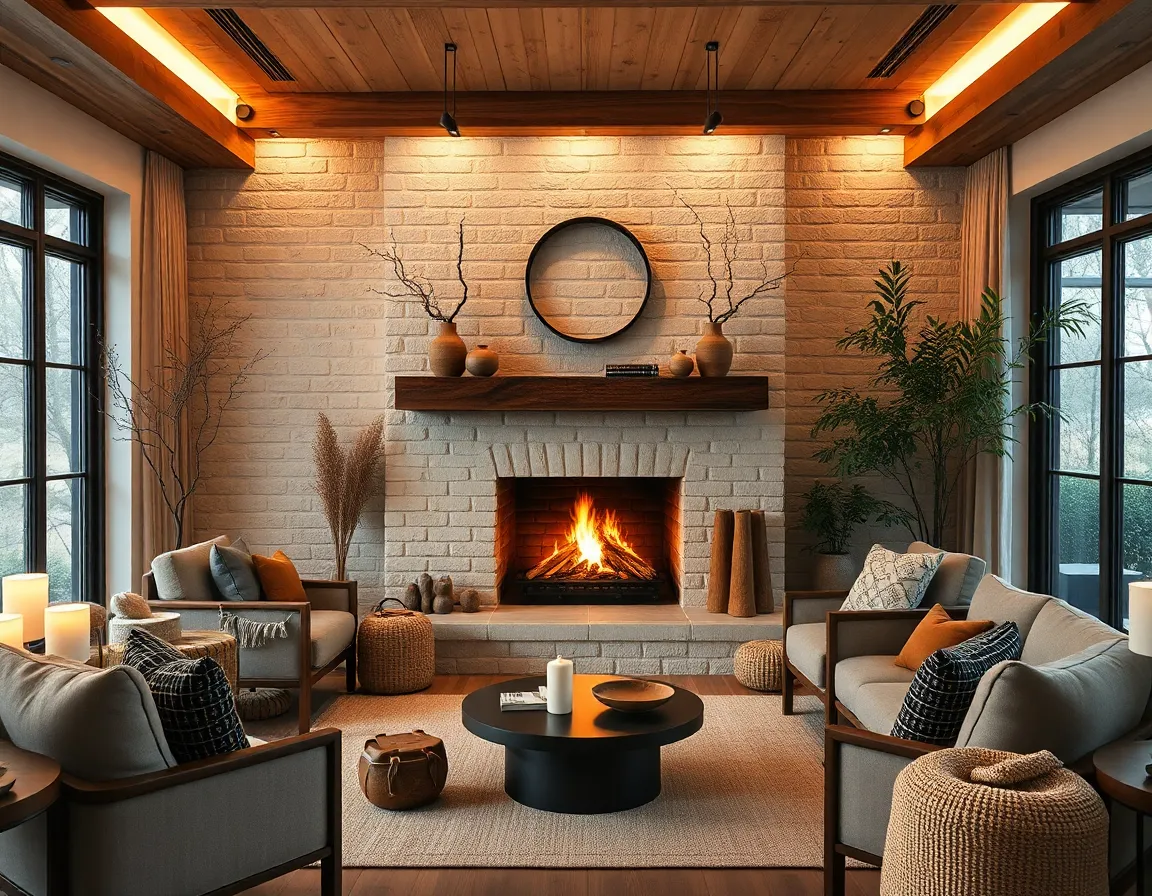
Every truly hygge room benefits from a central focal point that draws people together. Traditionally, this was often a fireplace, but modern homes offer various possibilities.
Potential Hygge Focal Points:
- 🏠 Fireplace (traditional, electric, or even ethanol)
- 🏠 Reading nook with a comfortable chair and good lighting
- 🏠 Window seat overlooking nature
- 🏠 Media center thoughtfully designed for gathering
- 🏠 Dining table set for connection and conversation
This Old House notes that even non-working fireplaces can become cozy focal points when filled with pillar candles of varying heights or string lights for a warm glow.
For homes without built-in focal features, BrightShot can help you visualize how to create a focal point through furniture arrangement, accent walls, or feature lighting, giving you a clear design direction before making any purchases.
8. Engage All the Senses
Truly hygge spaces engage all five senses, creating immersive comfort that goes beyond what we see.
Multi-Sensory Hygge Elements:
- Sight: Soft lighting, pleasing colors, visual harmony
- Touch: Varied textures in textiles and surfaces
- Sound: Acoustic elements that dampen noise, gentle music, or natural quiet
- Smell: Natural fragrances from candles, diffusers, or fresh elements
- Taste: A designated spot for tea, cocoa, or small treats
Research from the International Journal of Design suggests that multi-sensory environments create more meaningful and memorable experiences—exactly what hygge spaces aim to foster.
Scent Recommendations:
- 🔵 Budget-Friendly (under $50): P.F. Candle Co. offers soy candles with subtle, nature-inspired scents.
- 🟡 Mid-Range ($50-200): Vitruvi provides elegant essential oil diffusers with customizable scent options.
- 🟢 Premium ($200+): Diptyque candles deliver sophisticated fragrances that transform a space without overwhelming it.
9. Create Seasonal Adaptations
True hygge homes evolve with the seasons, adapting to changing light, temperature, and activities.
Seasonal Hygge Adjustments:
Winter
- Heavier textiles (velvet, wool, faux fur)
- Warmer lighting with more candles
- Hot drink stations
- Holiday-specific touches
Spring/Summer
- Lighter fabrics (linen, cotton)
- Fresh flowers and plants
- Open windows for natural breezes
- Outdoor hygge extensions (balconies, patios)
Fall
- Warm color accents (amber, rust)
- Nature elements (branches, seasonal produce)
- Cozy reading corners
- Simmering stovetop potpourri
According to Hygge House, the Danish don’t abandon hygge in summer—they simply adapt it, emphasizing outdoor gatherings, lighter textiles, and natural ventilation while maintaining the focus on comfort and togetherness.
10. Carve Out Technology-Free Zones
While technology has its place, authentic hygge spaces often include areas deliberately free from screens and digital distractions.
Creating Tech-Free Sanctuaries:
- Designate specific rooms or corners as screen-free zones
- Create analog entertainment options (board games, puzzles, art supplies)
- Design reading nooks with good lighting and comfortable seating
- Establish boundaries around when and where technology is used
- Consider decorative boxes or cabinets to hide tech when not in use
Research published in the Journal of Social and Personal Relationships suggests that the mere presence of phones can reduce the quality of in-person interactions—precisely the connections that hygge spaces aim to nurture.
💡 Pro Tip: If completely tech-free zones aren’t realistic for your household, consider creating tech-minimal areas where devices are permitted but not the focus (like a living room with hidden TV storage or a dining area without charging stations).
Bringing It All Together: Your Hygge Action Plan
Creating a hygge home doesn’t happen overnight. Consider this step-by-step approach:
- Start with one room (typically living room or bedroom)
- Address lighting first (the foundation of hygge atmosphere)
- Layer in textiles for immediate comfort
- Gradually incorporate natural elements
- Curate meaningful objects over time rather than buying everything at once
- Expand to other rooms once you’ve established your hygge foundation
To visualize how these changes might transform your space before investing, BrightShot offers an innovative solution. This AI-powered interior design tool allows you to upload photos of your current rooms and see them transformed with hygge elements like warm lighting, cozy textiles, and natural materials. The platform provides personalized recommendations based on your existing space, helping you make confident decisions about furniture, color, and decor elements.
Conclusion: Embracing the Hygge Lifestyle
Creating a hygge home goes beyond decorating—it’s about cultivating an environment that supports wellbeing, connection, and appreciation for life’s simple pleasures. By incorporating these ten tips, you’ll create spaces that not only look beautiful but feel genuinely nurturing to inhabit.
Remember that hygge is highly personal—your interpretation should reflect your unique preferences and lifestyle. There’s no need for perfection or competition; true hygge emerges from authenticity and intention.
As you begin your hygge journey, consider using BrightShot to help visualize the possibilities for your space. Their AI-powered design tools can generate customized hygge-inspired interiors based on your actual rooms, helping you see potential transformations before making changes. Whether you’re planning a complete redesign or simple hygge touches, BrightShot’s visualization capabilities can guide your decisions with confidence.
Start small, focus on what brings you genuine comfort, and watch as your home transforms into a haven of hygge warmth—one cozy corner at a time.