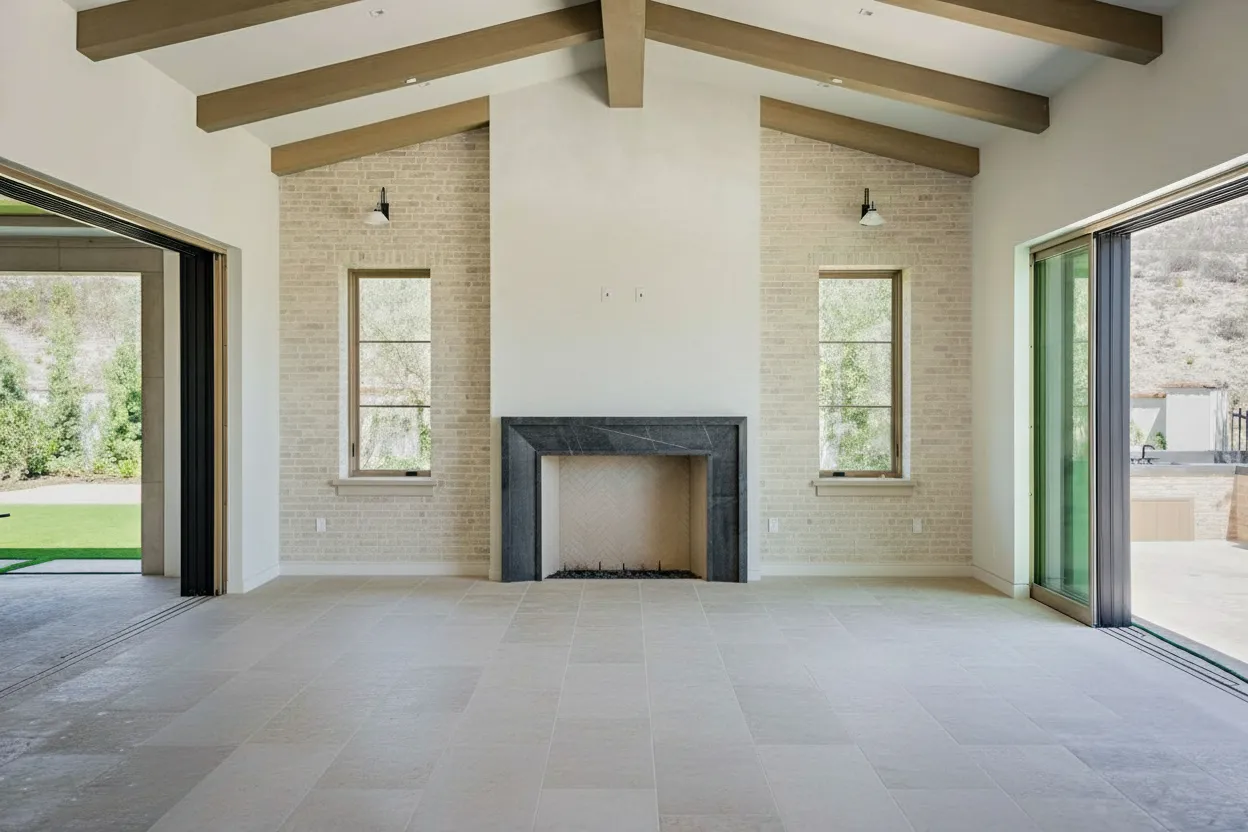
How to Create a Stunning Accent Wall: Tips and Ideas
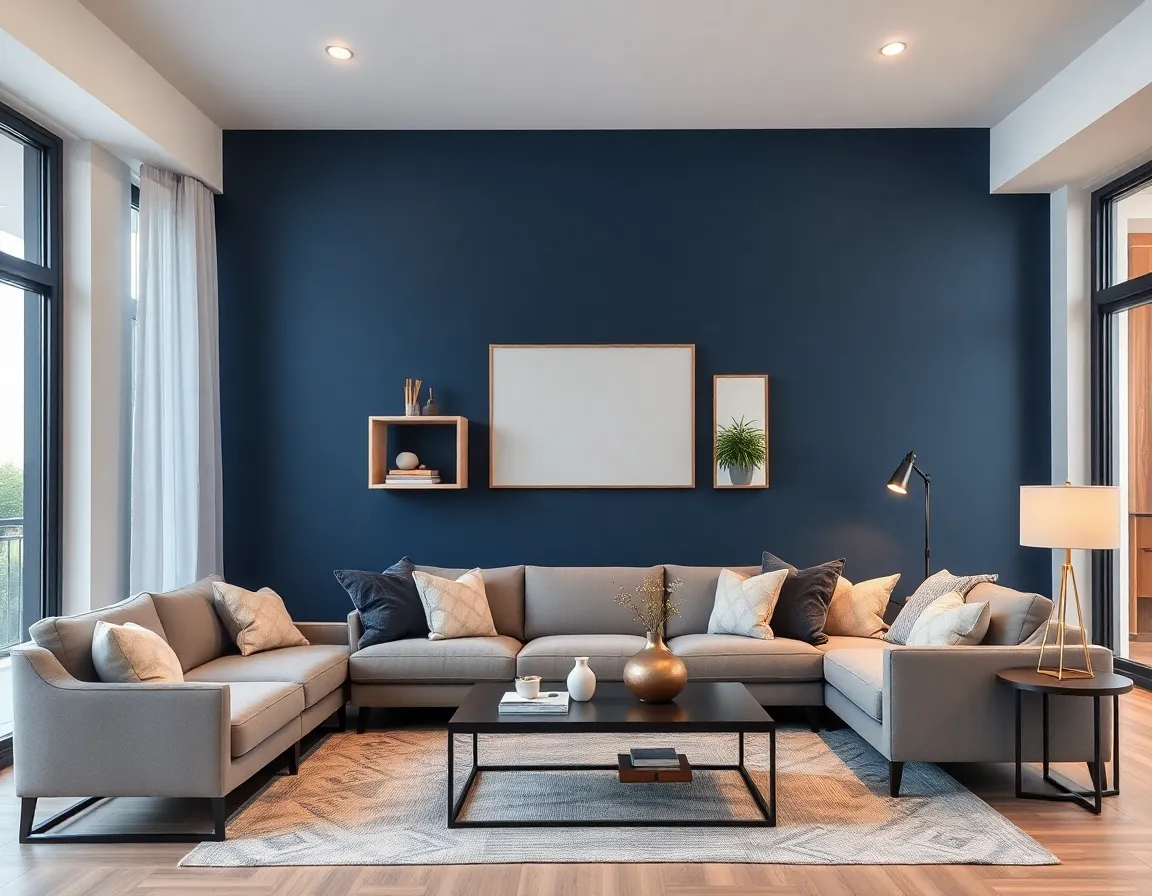
An accent wall can instantly transform an ordinary room into an extraordinary space. Whether you’re looking to add depth, create a focal point, or simply inject some personality into your home, a well-designed accent wall can achieve all these goals with minimal effort and maximum impact. This design technique has remained popular for decades because it offers incredible versatility—from subtle texture changes to bold statements—while being relatively easy to implement compared to full room renovations.
In this comprehensive guide, we’ll explore everything you need to know about creating the perfect accent wall for your space, from selecting the right wall and materials to execution techniques and finishing touches that will make your design truly shine.
Why Create an Accent Wall?
Before diving into the “how,” let’s briefly explore the “why.” Accent walls serve several key purposes in interior design:
- Creates a focal point in rooms that lack architectural interest
- Adds depth and dimension to a space without overwhelming it
- Defines separate areas within open floor plans
- Showcases your personality through color, pattern, or texture
- Updates your space without the commitment of a full room redesign
- Costs significantly less than redecorating an entire room
According to design experts at Elle Decor, a thoughtfully created accent wall can increase the perceived value of your home while satisfying your creative urges for a fraction of the cost of major renovations.
Choosing the Right Wall
Not all walls are created equal when it comes to accent potential. Here’s how to select the perfect candidate:
Identify the Natural Focal Point
The best accent wall is often the one that already draws attention naturally. According to interior designers at Houzz, ideal walls include:
- The wall you see first when entering a room
- Walls with architectural features (fireplace, built-ins, etc.)
- The wall behind significant furniture pieces (headboard, sofa, etc.)
- Walls with interesting shapes or nooks
Consider Room Size and Shape
Room dimensions play a crucial role in accent wall selection:
- In small rooms, an accent wall can create the illusion of depth
- In narrow rooms, accent the shorter wall to visually widen the space
- In large rooms, accent walls help define zones and add coziness
💡 Pro Tip: In open floor plans, use an accent wall to visually separate spaces without erecting physical barriers. This technique is particularly effective for defining dining areas or home offices within multifunctional spaces.
Avoid These Common Mistakes
- Don’t choose walls with too many doors or windows
- Don’t select walls where the effect will be interrupted by cabinetry or built-ins
- Don’t accent walls in rooms that already have many competing focal points
Popular Accent Wall Techniques
Let’s explore different approaches to creating accent walls, from simple DIY options to more complex professional installations.
1. Paint: The Classic Approach
Paint remains the most accessible and budget-friendly accent wall technique. According to Benjamin Moore, these color strategies work particularly well:
- Bold contrast: Choose a color significantly darker or more vibrant than your other walls
- Monochromatic: Select a shade 2-3 tones deeper than your existing wall color
- Complementary: Pick a color opposite your primary room color on the color wheel
2023 Trending Accent Wall Colors
| Color Category | Trending Shades | Best For |
|---|---|---|
| Blues | Navy, Aegean, Powder Blue | Bedrooms, Home Offices |
| Greens | Emerald, Sage, Forest | Living Rooms, Dining Areas |
| Earth Tones | Terracotta, Clay, Umber | Entryways, Reading Nooks |
| Jewel Tones | Ruby, Amethyst, Sapphire | Dining Rooms, Powder Rooms |
| Neutrals | Charcoal, Greige, Taupe | Minimalist Spaces |
💡 Pro Tip: Before committing to a full wall, test your accent color on a large poster board (at least 2’x2’) and place it against the wall at different times of day to see how natural and artificial lighting affects the color.
2. Wallpaper: Pattern and Texture
Modern wallpapers offer incredible versatility for accent walls. According to Wallpaper Boulevard, these styles are particularly effective:
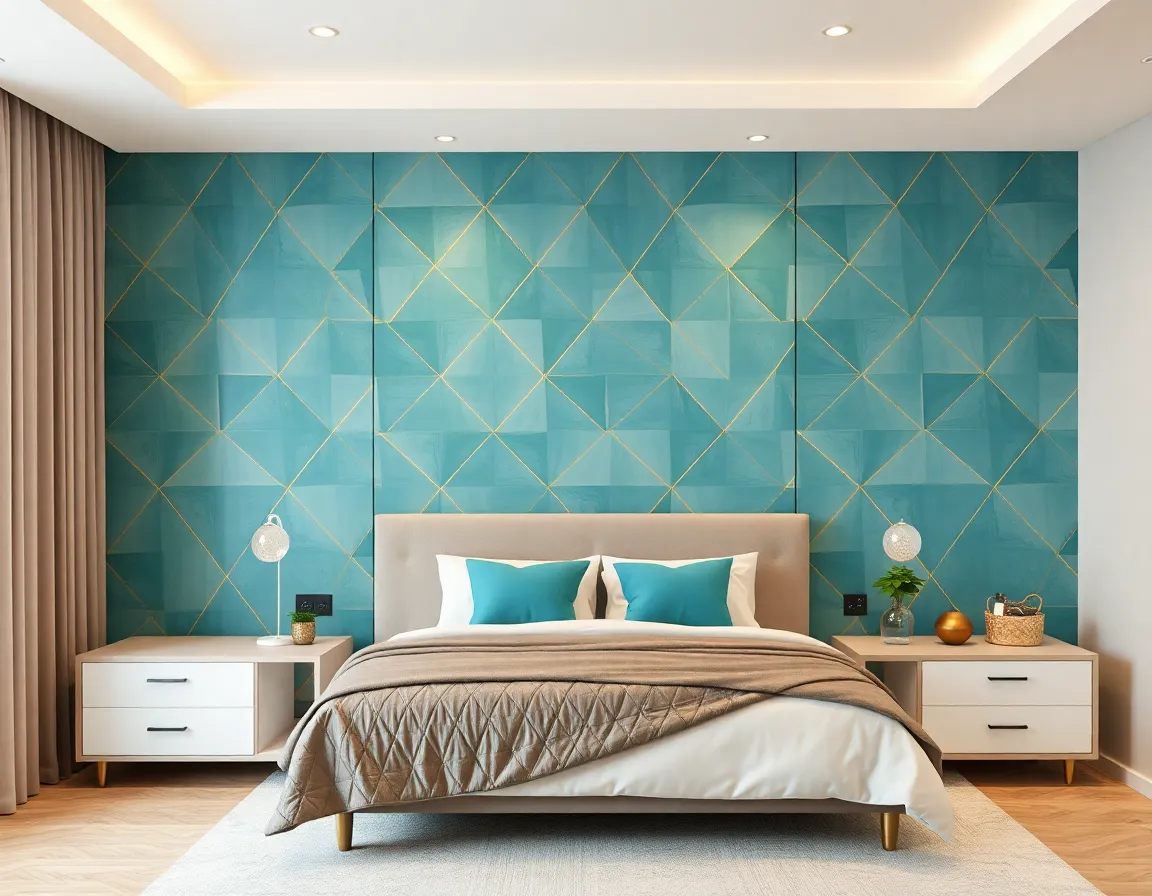
- Geometric patterns add visual interest without overwhelming
- Textured wallpapers (grasscloth, linen, etc.) add subtle dimension
- Large-scale florals or murals create dramatic focal points
- Metallic finishes reflect light and add luxury
🔵 Budget-Friendly Options (under $50)
- Target’s Opalhouse peel-and-stick wallpaper
- Textured paintable wallpaper from Home Depot
🟡 Mid-Range Options ($50-200)
- Premium peel-and-stick options from Wayfair
- Designer patterns from Spoonflower
🟢 Premium Options ($200+)
- Luxury textured papers from York Wallcoverings
- Hand-painted designs from Gracie Studio
3. Wood and Paneling: Adding Dimension
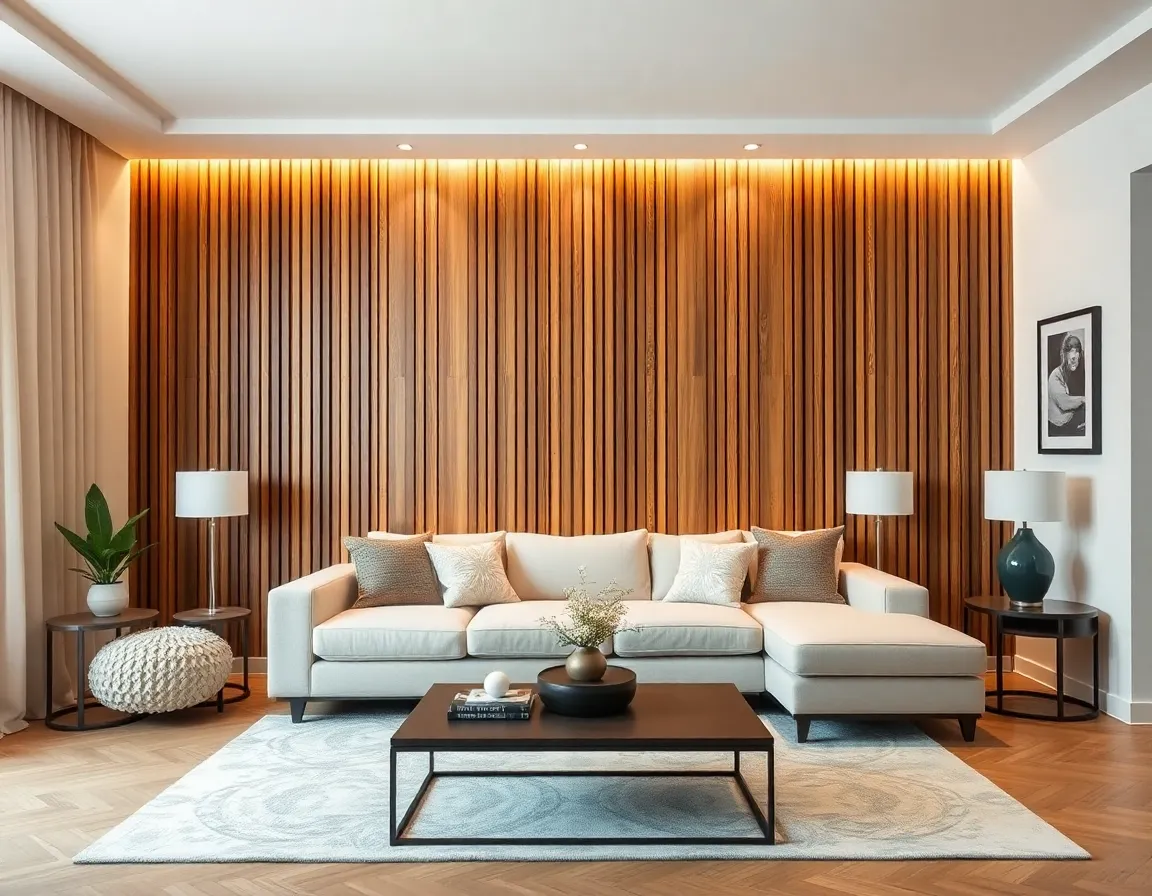
Wooden accent walls add warmth and texture that’s impossible to achieve with paint alone. According to This Old House, popular wood accent techniques include:
- Shiplap for a casual, farmhouse aesthetic
- Board and batten for architectural interest
- Reclaimed wood for rustic, sustainable charm
- Slat walls for modern, dimensional appeal
💡 Pro Tip: When installing a wood accent wall, leave a 1/8” gap between boards and the ceiling/floor to allow for natural expansion and contraction with seasonal humidity changes.
4. Stone and Brick: Timeless Texture
Stone and brick accent walls create dramatic impact and timeless appeal. Options include:
- Stone veneer panels (lighter and easier to install than real stone)
- Exposed brick (original or veneer)
- Stacked stone for a contemporary mountain aesthetic
- Concrete for an industrial modern look
According to Family Handyman, DIY-friendly stone veneer panels from manufacturers like Stoneyard have made this luxurious look more accessible for homeowners.
5. Creative Alternatives
For truly unique accent walls, consider these innovative approaches:
- 3D wall panels from companies like WallArt
- Fabric walls using stretched textile or acoustic panels
- Living walls with real or artificial plants
- Mosaic tile for moisture-resistant spaces like bathrooms
Step-by-Step Guide to Creating Your Accent Wall
Planning Your Project
- Measure the wall carefully, noting outlets, switches, and architectural features
- Calculate materials needed (paint, wallpaper, panels, etc.) with 10% extra for mistakes
- Gather tools appropriate for your chosen technique
- Plan your timeline, allowing adequate drying/curing time between steps
Preparation Steps
Regardless of your chosen technique, proper preparation is essential:
- Clean the wall thoroughly to remove dust and grime
- Repair imperfections (holes, cracks, uneven surfaces)
- Remove outlet and switch plates
- Apply painter’s tape to protect adjacent surfaces
- Lay drop cloths to protect flooring
Execution Tips by Technique
For Paint:
- Prime the wall if needed (especially when making dramatic color changes)
- Use a high-quality angled brush for cutting in along edges
- Apply paint with a roller in a W-pattern for even coverage
- Allow proper drying time between coats (usually 2-4 hours)
- Remove tape while paint is still slightly wet for clean lines
For Wallpaper:
- Ensure walls are smooth and primed with wallpaper primer
- Cut paper to length with 4” extra on each end
- Apply paste according to manufacturer instructions (or activate pre-pasted paper)
- Work from top to bottom, smoothing bubbles with a plastic smoother
- Trim excess at ceiling and baseboards with a sharp utility knife
For Wood Paneling:
- Locate and mark wall studs
- If using natural wood, acclimate material in your home for 48+ hours
- Create a level reference line at the bottom of the wall
- Work from bottom to top, securing panels with construction adhesive and/or finishing nails
- Use a nail set to recess nail heads, then fill holes with wood putty
Styling Around Your Accent Wall
Once your accent wall is complete, consider these design principles to maximize its impact:
Furniture Placement
- Position key furniture pieces (bed, sofa, desk) against the accent wall when possible
- Keep furniture proportionate to the wall—avoid tiny furniture against bold walls
- Consider the “breathing room” around furniture to showcase the wall effectively
Complementary Decor
According to interior stylists at West Elm, these decor strategies enhance accent walls:
- Artwork: Choose pieces that complement rather than compete with your wall
- Lighting: Use wall sconces, picture lights, or uplighting to highlight texture
- Textiles: Select curtains, pillows, and throws that pick up accent wall colors
- Plants: Green foliage creates beautiful contrast against most accent walls
💡 Pro Tip: Want to visualize how your accent wall will look before you commit? BrightShot is an AI-powered interior design tool that can help you “try on” different accent wall styles in a virtual render of your actual space. This can save you from costly design mistakes and help you fine-tune your vision.
Room-Specific Accent Wall Ideas
🏠 Living Room
- Behind the sofa: The classic accent wall placement
- Around the fireplace: Enhance an existing focal point
- Media wall: Create a stunning backdrop for your TV
According to Pinterest, the most-saved living room accent walls feature:
- Dark, moody colors that make TV screens less prominent
- Textured materials that add acoustic benefits
- Built-in shelving incorporated into the accent design
🏠 Bedroom
- Headboard wall: Frame your bed with color or texture
- Reading nook: Define a cozy corner with different treatment
- Closet interior: Add a surprise element when doors are open
Wayfair reports that bedroom accent walls are trending toward soothing, nature-inspired textures and colors that promote relaxation.
🏠 Kitchen
- Backsplash area: Extend special tile or material beyond typical backsplash height
- Open shelving wall: Create a beautiful backdrop for displayed items
- Breakfast nook: Define dining areas in open-concept kitchens
Kitchen accent walls require special consideration for moisture and cleaning. IKEA recommends their LYSEKIL wall panels for stylish, water-resistant kitchen accent walls.
🏠 Home Office
- Behind desk: Minimize distractions while adding inspiration
- Zoom background: Create a professional backdrop for video calls
- Gallery wall: Showcase art, diplomas, or inspiration
According to CB2, office accent walls are trending toward sophisticated, saturated colors that create a sense of focus and professionalism.
Comparing Accent Wall Services and Tools
If DIY isn’t your preferred approach, several services can help bring your accent wall vision to life:
| Service/Tool | Best For | Price Range | Customization | Visualization Tools |
|---|---|---|---|---|
| Local Painters | Paint-based accent walls | $300-$1000 | Limited to color selection | Basic color swatches |
| Professional Designers | Complex, high-end concepts | $1000-$5000+ | Fully custom | 2D renderings, material samples |
| Home Improvement Stores | DIY materials and basic installation | $200-$2000 | Limited to available products | In-store displays |
| BrightShot | Virtual design planning | Free - $49.99 | Unlimited AI-generated options | Photorealistic AI renders of your actual space |
For those who want to visualize options before committing, BrightShot offers the most comprehensive visualization experience. Unlike traditional design services that might provide one or two mock-ups, BrightShot’s AI can generate dozens of photorealistic options using your actual room photos, allowing you to “try on” different accent wall styles, colors, and materials virtually.
Common Accent Wall Mistakes to Avoid
Even design professionals occasionally make these common accent wall errors:
- Choosing the wrong wall: Selecting a wall with too many windows or doors
- Competing patterns: Creating an accent wall in a room with busy wallpaper or patterns
- Poor color coordination: Selecting accent colors that clash with existing decor
- Improper scale: Using patterns too large or small for the room dimensions
- Ignoring lighting: Failing to consider how natural and artificial light affects your accent wall
💡 Pro Tip: When in doubt about color selection, look to your existing decor for inspiration. Pull accent colors from artwork, area rugs, or favorite textiles to ensure your accent wall complements your current design scheme.
Seasonal and Trend Considerations
Like all design elements, accent wall trends evolve. Current trends include:
- Sustainability: Reclaimed wood, natural fibers, and eco-friendly materials
- Biophilic design: Nature-inspired textures, colors, and actual living walls
- Multifunctional: Accent walls that incorporate storage, display, or workspace
- Bold color blocks: Geometric shapes in contrasting colors
- Subtle texture: Tone-on-tone textural elements rather than stark color contrasts
According to Architectural Digest, the most forward-thinking accent walls incorporate technology—from backlit panels to integrated smart home controls.
Conclusion: Transform Your Space with Confidence
An accent wall is more than just a design element—it’s an expression of your personal style and a powerful tool for transforming your living spaces. Whether you choose a simple painted accent in a bold hue or a complex installation of wood, stone, or textured materials, the impact can be remarkable.
Before you pick up a paintbrush or order materials, consider using BrightShot to visualize your accent wall ideas in your actual space. This innovative AI design tool can generate photorealistic renders of different accent wall options using photos of your own rooms, helping you make confident design decisions and avoid costly mistakes.
Ready to create your stunning accent wall? Start with a clear vision, quality materials, and proper preparation—and don’t be afraid to make a bold statement. Your perfect accent wall is waiting to transform your home from ordinary to extraordinary.
Try BrightShot today to see your accent wall ideas come to life before you commit to a single design decision!