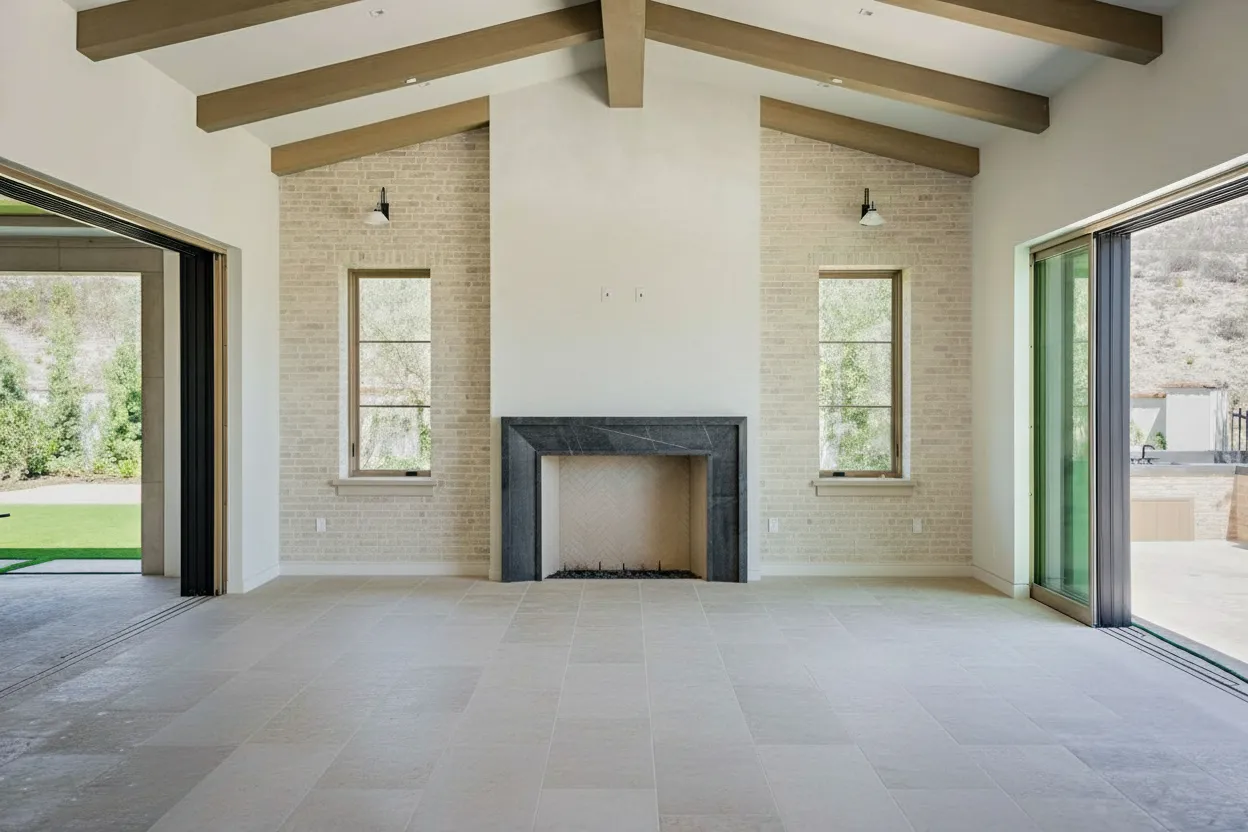
Step-down living rooms, often called sunken living rooms, are having a serious moment. Far from being just a quirky relic of the past, this is a deliberate architectural choice that creates a cozy, defined “room within a room”—all without putting up a single wall. It’s the perfect way to anchor a modern open floor plan and encourage people to actually gather and talk.
The Comeback of the Conversation Pit

A step-down living room is more than an architectural detail; it’s a feeling. By lowering the floor level of the main living area, the design creates an immediate sense of arrival and intimacy. That physical separation naturally sets the space apart, making it the designated spot for social connection and relaxation away from the hustle and bustle of the rest of the home.
This style was a signature of mid-century modern design, born from a desire for a more relaxed and informal way of living. It was a bold departure from the stuffy, formal parlors of previous generations, offering a dynamic and engaging environment instead. Today, it’s that unique spatial quality that has buyers falling in love with them all over again as a refreshing alternative to the vast, undifferentiated open-concept spaces we see everywhere.
Why Are They So Popular Now?
The modern appeal of step-down living rooms comes down to their knack for solving a very common design problem: how to define different “zones” in a massive open-concept space. A sunken area achieves this beautifully without resorting to walls, which would block precious light and sightlines.
You get the best of both worlds—an open, airy home that still has a clearly designated, cozy retreat for entertaining or just kicking back. Plus, the level change itself adds a layer of architectural interest that breaks up the visual monotony of a single, flat plane.
The magic really boils down to a few key things:
- Architectural Definition: They carve out a distinct zone for conversation and lounging, giving a large room a clear purpose and flow.
- A Sense of Intimacy: The slightly enclosed feeling of a sunken “pit” creates a warm, communal atmosphere that just pulls people in.
- The Illusion of Height: Dropping the floor, even by a foot or two, can make the ceiling feel dramatically taller, lending a sense of grandeur to the room.
For busy real estate professionals, it helps to have a quick reference. Here’s a snapshot of what makes this feature unique.
Sunken Living Room Snapshot for Agents
| Attribute | Summary |
|---|---|
| Core Concept | A living area with a floor level lower than the surrounding rooms, creating a defined “pit.” |
| Key Benefit | Defines space in an open floor plan without using walls, fostering intimacy. |
| Architectural Style | Strongly associated with Mid-Century Modern (1950s-1970s) but is being reinterpreted in contemporary homes. |
| Primary Appeal | Offers a unique “wow” factor and a cozy, conversational atmosphere. |
| Common Buyer Perception | Seen as a high-design, custom feature rather than a standard layout. |
This table helps frame the conversation around the feature’s strengths, turning what some might see as a quirk into a sought-after design element.
Market Appeal and How to Frame It
So, what does this mean for real estate agents? Understanding how to frame this feature is everything. What an uninformed buyer might see as an odd retro throwback is actually a sophisticated and highly desirable selling point.
The history of step-down living rooms is a huge part of their charm. They were a hallmark of mid-20th-century architecture, exploding in popularity during the post-World War II housing boom. In fact, between 1950 and 1970, over 40% of new suburban homes in America were built with sunken living areas. Fast forward to today, and that uniqueness pays off: properties with well-preserved or tastefully updated step-down rooms sell 12% faster on average.
Instead of calling it a quirk, position it as a mark of custom design and thoughtful architecture. When prepping a listing, draw inspiration from our guide on living room decor ideas to stage the space effectively. Knowing how to highlight the cozy, “conversation pit” aspect will capture a buyer’s imagination and help you secure a much faster, more profitable sale.
How to Frame the Pros and Cons for Buyers
Every unique home has its quirks and trade-offs. As an agent, how you talk about these features can make or break a deal. A step-down living room is a perfect example. The trick is to get ahead of the conversation, framing the narrative yourself so you can turn a potential objection into a feature that showcases the home’s unique character.
Don’t wait for a buyer to point out what they see as a flaw. You should be the one to bring it up first, confidently and with a solution-oriented mindset. This simple act immediately shows you’re transparent and know the property inside and out, positioning you as a trusted advisor, not just a salesperson.
Highlighting the Architectural Advantages
First, lean into the “wow” factor. A sunken living room is a bold architectural choice that instantly sets a property apart from the sea of cookie-cutter homes. It’s not just a room; it’s an experience.
-
Natural Space Definition: In an open-concept layout, a step-down living room is a brilliant way to define the living area without putting up walls. It creates a dedicated, cozy zone for relaxing and gathering, which helps avoid that long, “bowling alley” feeling that can plague some open floor plans.
-
Enhanced Intimacy and Coziness: This is the original “conversation pit.” Use that term! It immediately evokes a sense of warmth and connection. The design literally brings people together, making it a fantastic space for entertaining friends or spending quality time with family.
-
Illusion of Grandeur: Point out how the drop in the floor makes the ceilings feel so much higher. It’s a clever architectural sleight of hand that adds a surprising amount of volume and vertical drama to the space.
Think of it as the home’s built-in centerpiece. You’re not just selling four walls; you’re selling a story about a more connected and distinctive way of living. For buyers craving a home with real personality, that story is incredibly powerful.
Turning Objections into Selling Points
A smart agent knows the objections before they even come up. When a buyer voices a concern, you need to be ready with thoughtful, practical answers that reframe the issue as a manageable detail with clear solutions. You’re not trying to dismiss their concern; you’re trying to solve it.
A buyer’s objection isn’t a “no.” It’s a request for more information and a chance for you to show your expertise. It’s your opening to provide creative solutions that ease their worries and help them truly see the possibilities.
Let’s walk through the most common concerns and how you can handle them.
Buyer Concern 1: “It feels unsafe for my young kids.”
This is probably the #1 worry you’ll hear, and it’s completely valid. The key is to meet it with empathy and a toolbox of practical, stylish fixes.
- Visual Cues: Explain how using a different flooring material or even a simple runner on the step can make the level change impossible to miss. You can also suggest adding subtle, low-voltage LED strip lighting along the riser for a modern look that doubles as a safety feature.
- Strategic Furnishing: Show them how placing a low-profile console table, a bench, or even a row of planters along the edge creates a natural, beautiful barrier.
- Soft Landings: Mention that a large, plush area rug at the bottom of the step not only defines the space but also provides a soft landing, adding a layer of comfort and safety.
Buyer Concern 2: “What about accessibility for older relatives?”
Mobility is a serious consideration for many families. Acknowledge it directly and shift the focus to constructive, achievable options.
- Ramp Solutions: For a single step, you can often integrate a stylish, low-slope ramp right into the design. Suggest that a minor renovation could create a custom ramp that flows seamlessly with the home’s aesthetic.
- Sturdy Handrails: Propose adding a sleek, modern handrail. This is a simple addition that significantly improves safety and can also act as another design element that helps define the two spaces.
When you present these ideas as manageable upgrades instead of insurmountable flaws, you empower the buyer. You’re showing them that these aren’t deal-breakers, just details to be handled. You’re no longer just selling a house; you’re helping them problem-solve their way into a home that can be tailored perfectly to their family.
What’s the Impact on Resale Value?
So, what’s the final verdict on a step-down living room when it comes to resale value? Does it help or hurt? For a long time, the answer was murky, but the tide has turned. What might have been brushed off as a dated quirk just a decade ago is now being seen for what it is: a high-design architectural statement.
This comeback is most obvious in neighborhoods filled with mid-century modern homes or other architecturally unique properties. In these markets, a sunken living room isn’t a strange feature; it’s a badge of authenticity. It gives a home character that you just don’t find in a sea of cookie-cutter new builds, and that “wow” factor often adds up to a higher sale price.
Market Perception and Price Premiums
This isn’t just a gut feeling, either. The numbers are starting to back it up. A 2023 Redfin analysis showed that well-kept homes with sunken designs can fetch a 7-10% price premium in major U.S. markets like Los Angeles and Chicago. Over in the UK, a 2024 Knight Frank report found these rooms were linked to 15% higher sale prices in some London boroughs, thanks to their appeal as cool, versatile entertainment spaces.
And it’s not just a niche market. 2025 data from the National Association of Realtors revealed that 62% of buyers aged 35-54 actually prefer homes with distinct living areas—exactly what a step-down design delivers.
The takeaway for sellers is clear: a step-down living room can be one of your home’s biggest selling points. For agents, it’s a powerful, data-backed story to justify a higher valuation and hook buyers who are tired of the ordinary.
Think of it as a custom feature that creates a one-of-a-kind living experience. It sets a mood that a standard, flat-floor-plan house simply can’t match, much in the same way that houses designed for views are built to create a specific, premium experience.
This infographic breaks down the essential pros and cons to keep in mind.

While it’s smart to be aware of safety, the real story here is the unique, inviting space it creates.
Justifying a Higher Valuation
To really cash in on this feature, your marketing has to be on point. You’re not just selling a floor plan; you’re selling an architectural concept. Use your listing description, photos, and staging to tell a compelling story about the “conversation pit” and its power to bring people together.
Here’s how to frame its benefits to show buyers its true value:
- Highlight the Architectural Uniqueness: Make it clear this isn’t a feature you find in mass-produced homes. It’s a sign of thoughtful design and quality craftsmanship.
- Focus on the Lifestyle: Paint a picture. Talk about how perfect the space is for hosting friends, cozy family movie nights, or creating a quiet retreat. Help them see themselves living a better life there.
- Showcase the Open-Concept Advantage: Explain how the step-down design defines the living room within a larger open floor plan without walls. It gives them the best of both worlds: a sense of connection and a feeling of defined space.
When you nail this story, the step-down living room goes from a potential objection to a powerful reason for a higher price. It becomes a signature feature that makes the property unforgettable and far more desirable in a crowded market.
Staging Strategies That Make Buyers Say Wow

When a buyer walks into an empty or poorly staged step-down living room, you can almost see the confusion on their face. They see a logistical challenge, an awkward dip in the floor—not the cozy, intimate retreat it’s meant to be. Our job as stagers and agents is to solve that puzzle for them. We need to turn that question mark into the undeniable heart of the home.
This takes more than just adding furniture. It requires a staging strategy that understands the unique architecture of a sunken room and shows buyers exactly how to live in it. When you get it right, they don’t just see a well-decorated space; they feel an emotional connection that inspires them to write an offer.
Emphasize the Zone with Smart Furniture Choices
Time and again, the biggest mistake I see in step-down living rooms is bulky, oversized furniture. It instantly makes the space feel cramped and clumsy, completely fighting the room’s intended flow. The real key is to choose pieces that celebrate the unique depth and architectural lines, not hide them.
Think low-profile and modular. Sofas with clean lines and lower backs are perfect because they define the seating area without creating a visual wall. This maintains that open, airy feeling everyone loves. Modular sectionals are a stager’s secret weapon here, as you can configure them to perfectly hug the “pit” and create an instant social hub.
A sunken living room is like a natural stage. Your staging shouldn’t clutter that stage; it should set the scene. Low-profile furniture ensures the room’s architecture remains the star of the show while showing buyers exactly how to live in the space.
Consider these tried-and-true furniture strategies:
- Modular Sectionals: Go for an L-shaped or U-shaped setup that wraps around the sunken area, creating an effortless conversation pit.
- Armless Chairs and Chaises: These are fantastic for adding flexible seating without the visual weight, which helps the room feel much larger.
- Round Coffee Tables: Placing a circular or oval coffee table in the center is a great trick for softening the room’s hard angles and making it easier to walk around.
- Slim Console Tables: A narrow console along the upper-level ledge acts as a chic, subtle barrier that clearly defines the transition between levels.
Anchor the Space with Rugs and Lighting
A great area rug isn’t just an option in a sunken living room; it’s a necessity. It’s the visual anchor that solidifies the entire space as a distinct, intentional zone. A large, plush rug that fills most of the sunken floor doesn’t just unify the furniture—it adds a layer of texture and warmth that makes the room feel incredibly inviting.
Lighting is just as important, especially for tackling one of the biggest issues with step-down living rooms: shadows. That change in elevation can create dark corners that make the room feel smaller and less welcoming. You need to fight this with layers of light.
For instance, track lighting can be aimed to wash the walls with a soft glow and highlight artwork. A few well-placed uplights in the corners can instantly erase shadows and draw the eye upward, giving the illusion of more height. To top it all off, a dramatic pendant or chandelier centered over the seating area adds a perfect focal point.
You can really see how this all comes together by exploring these amazing staging before-and-after examples.
Style for the Camera and the Buyer
With the foundational pieces in place, it’s time to style for a specific look that feels both aspirational and completely livable. This is how we help buyers connect on a deeper, emotional level.
Sleek and Modern
- Palette: Keep it clean with a neutral scheme of whites, grays, and blacks.
- Furniture: Opt for pieces with sharp lines, metal legs, and upholstery in leather or a tight-weave fabric.
- Decor: Less is more. A single, large piece of abstract art, a cool sculptural floor lamp, and a few curated coffee table books are all you need.
Warm and Bohemian
- Palette: Think earthy and inviting with tones like terracotta, olive green, and warm beige.
- Furniture: Use natural materials like rattan and light-toned wood, paired with soft, touchable fabrics like linen or bouclé.
- Decor: This is all about layering! Don’t be afraid to use multiple rugs, a generous amount of throw pillows in different patterns, and plenty of plants for a lush, lived-in vibe.
No matter which style you land on, the mission is always the same: tell a story of comfort, connection, and character. By thoughtfully selecting furniture, anchoring the zone with a great rug, and layering the light, you can transform a potential hang-up into a powerful selling feature that buyers won’t forget.
Using AI to Virtually Stage and Enhance Photos

Let’s be honest: step-down living rooms can be a real headache to photograph. The change in floor height often leads to awkward angles, strange shadows lurking in the corners, and listing photos that just feel flat. This is where modern tech stops being a novelty and starts being one of your smartest marketing tools, turning a photographic challenge into a major selling point.
Instead of showing an empty, confusing space, you can use AI to instantly reveal a sunken room’s true potential. This goes way beyond simple photo editing; it helps you solve the exact visual problems these unique rooms create.
Fill the Void with Virtual Staging
An empty step-down living room often leaves buyers scratching their heads. They can’t picture how their furniture might fit, making the space feel more like a design puzzle than a desirable feature. Virtual staging clears up that confusion in seconds.
AI tools like BrightShot can furnish an empty room with stylish, correctly scaled furniture that plays up its best assets. This isn’t just about dropping in a sofa; it’s about telling a story.
- Showcase Perfect Scale: AI can place low-profile, modular seating that emphasizes the room’s depth without blocking the view. This shows buyers exactly how to furnish the area without making it feel cramped.
- Define the Zone: By adding a virtual area rug and a well-placed coffee table, you immediately anchor the “conversation pit,” making its purpose clear and inviting.
- Suggest a Lifestyle: You can pick from dozens of design styles, from clean and modern to cozy bohemian, to reflect the home’s personality and connect with your ideal buyer.
This process turns a photo of a vacant room into a compelling image of a warm, functional home. If you want to get into the nuts and bolts of this technology, our complete guide to real estate virtual staging software has you covered.
Erase Clutter and Correct Imperfections
Sometimes the issue isn’t an empty room, but one that’s cluttered with the seller’s personal items. AI-powered decluttering can digitally remove furniture and other belongings, creating a clean slate for buyers to project their own vision onto.
But the real game-changer for step-down living rooms is photo enhancement. These spaces are notorious for having lighting issues because of their different levels.
A single click can make all the difference. AI enhancement tools automatically brighten up those shadowy corners, fix weird color casts, and make the whole room feel bright and airy. It’s a vital fix for sunken spaces that can easily come across as dark online.
The goal here isn’t to misrepresent the property, but to show it in its best possible light—just as it would look on a bright, sunny day.
Create Scroll-Stopping Atmosphere
To really make an impression, you need to create an emotional connection with buyers. This is where AI-driven effects can take your listing from good to unforgettable. One of the most powerful moves is the day-to-dusk conversion.
Picture your step-down living room, which might look a bit plain in the harsh afternoon light, transformed into a cozy twilight scene. The AI can add a warm glow from virtual lamps and a stunning sunset in the sky outside, creating an atmosphere that just screams “home.” For a room designed to be a relaxing retreat, that single image can do more selling than a dozen standard photos.
New tools are always emerging to help us present homes better. For instance, you can learn more about how Floor Plan AI transforms real estate by turning basic sketches into professional, interactive layouts that work hand-in-hand with these visual strategies.
By using AI to stage, enhance, and add atmosphere to your photos, you not only solve the common problems of shooting a sunken living room, but you also create marketing images that make people stop scrolling and start dreaming.
Navigating Safety and Building Code Requirements
As much character as a step-down living room brings to a home, it also brings a handful of safety and legal headaches. Getting a handle on these potential red flags isn’t just good practice—it’s a fundamental part of your job as an agent. Knowing how to navigate local building codes and advise clients on hazards is what builds real trust and saves everyone from major drama during the home inspection.
Most of the trouble starts with the steps themselves. While codes can differ from one town to the next, they all have rules for riser height and tread depth to keep people from tripping. A single, unexpected step is a classic hazard, especially if it isn’t clearly marked or built correctly. This is a common issue in older homes that went up long before today’s safety standards were the norm.
Understanding Key Code Elements
When you’re walking through a property with a sunken room, zero in on that transition. Is it one step or a small flight? Local regulations, which often take their cues from the International Residential Code (IRC), have specific guidelines.
- Riser Height: This is the vertical part of the step. Typically, a riser can’t be more than 7.75 inches high. Anything taller feels awkward and becomes a tripping hazard.
- Tread Depth: This is the part you actually step on. A tread needs to be at least 10 inches deep to give someone enough room for a solid footing.
- Uniformity: This might be the most important rule of all. In a short flight of stairs, every riser and every tread must be nearly identical in size. A variation of more than 3/8 of an inch between any two steps is a big red flag for inspectors.
The Role of Handrails and Guardrails
The next critical question is whether a handrail or guardrail is needed, and the answer is tied directly to the total height of the drop. A single, shallow step usually gets a pass, but the rules change fast as that drop gets bigger.
A change in level totaling 30 inches or more from the upper floor down to the sunken floor almost always requires a guardrail. This isn’t a friendly suggestion—it’s a core safety rule meant to prevent a very serious fall.
If you have two or more steps (a “stairway”), a handrail is usually required for stability. When you’re assessing a home, pull out a tape measure and check that total drop. If it hits that 30-inch mark and there’s no guardrail, you’ve just spotted a major safety and compliance problem that needs to be fixed.
Simple Fixes for Enhancing Safety
Luckily, you don’t have to rip out the entire feature to make it safer. Many concerns can be addressed with simple, even stylish, solutions you can suggest to your sellers. The main goal is just to make the change in level impossible to miss.
Safety is paramount with step-down designs, so paying close attention to the floor transitions is key to avoiding accidents. Looking at homeowner guides on fixing uneven flooring transitions can give you some great ideas for ensuring the space is both safe and up to code.
Here are a few practical ideas to recommend:
- Add Visual Contrast: Use different materials or colors to define the step. For example, a dark wood tread against a light-colored floor instantly draws the eye and signals the level change.
- Install Tread Lighting: This is a fantastic modern solution. Integrating low-voltage LED strip lighting into the base of the riser illuminates the step, making it safe and easy to see, especially at night.
- Use Strategic Furnishings: You can create a natural visual barrier. Placing a low console table or a long, sleek bench along the edge of the upper level subtly guides foot traffic away from the drop-off.
Frequently Asked Questions About Step Down Living Rooms
We get a lot of questions about properties with a sunken or step down living room. Here are some quick, straightforward answers to the most common ones we hear from agents, sellers, and potential buyers.
Are Sunken Living Rooms A Good Investment?
That’s the big question, isn’t it? The short answer is yes, they absolutely can be. In a market flooded with cookie-cutter new builds, a well-preserved step down living room offers genuine architectural personality that many buyers crave.
Homes with these features really shine in neighborhoods that value mid-century modern design or unique character. The key is to lean into its appeal. Don’t treat it as a problem to be solved; frame it as a “conversation pit” that creates a distinct, cozy zone within a larger open-concept space.
When you stage and photograph it properly, a step down living room stops being a potential hurdle and becomes the home’s “wow” factor. It’s the memorable detail that justifies a higher price and helps discerning buyers fall in love with the property.
How Can I Make A Step Down Living Room Safer?
Safety is a perfectly valid concern, but thankfully, it’s one you can easily address with a few smart and stylish updates. The goal is simply to make the change in elevation impossible to miss.
- Create Visual Contrast: Use different materials to draw the eye to the step. Think a dark wood stair tread against a light-colored floor, or a distinct tile border.
- Add Subtle Lighting: Installing low-profile LED strip lighting under the step’s edge is a brilliant modern solution. It looks great and acts as a practical safety feature, especially at night.
- Install a Handrail: If you have two or more steps, a sleek, sturdy handrail provides extra stability and peace of mind for everyone.
Is It Expensive to Fill In A Sunken Living Room?
Filling in a step down living room is a major project, and the cost reflects that. You’re typically looking at a range of $5,000 to over $20,000.
The final price tag depends on the room’s size, the structural work needed to raise and support the new floor, and the cost of the new flooring itself. Before you commit to such a permanent and costly renovation, it’s almost always more cost-effective to first invest in great staging and marketing that celebrates the feature you already have.
Showcase your property’s true potential with BrightShot. Transform dark or empty listing photos into stunning, virtually staged masterpieces in seconds. Try BrightShot for free and see the difference.