Ultimate Guide to Designing a Two Story House: Tips and Ideas
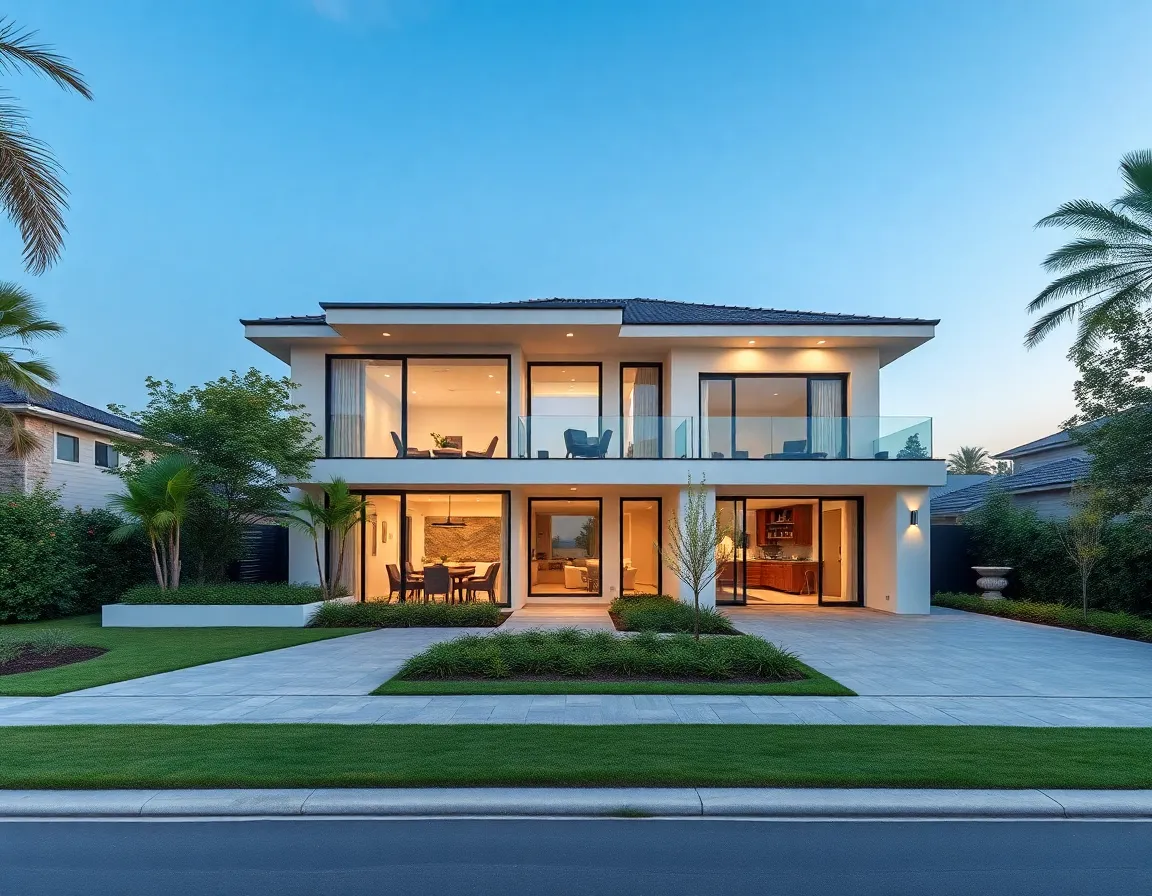
Designing a two-story house is an exciting journey that allows you to create a spacious, functional home tailored to your lifestyle. Whether you’re building from scratch or renovating an existing property, thoughtful planning can transform your vision into reality. This comprehensive guide will walk you through the essential considerations, practical tips, and creative ideas to design your perfect two-story home.
Understanding the Advantages of Two-Story Houses
Before diving into the design process, it’s important to recognize the unique benefits that two-story homes offer:
- Space efficiency: Two-story houses maximize living space while minimizing the building footprint, allowing for larger yards and outdoor areas
- Natural separation: The layout naturally divides public and private spaces, with common areas downstairs and bedrooms upstairs
- Architectural interest: Vertical design elements create opportunities for striking features like grand staircases, vaulted ceilings, and dramatic entrances
- Energy efficiency: Proper design can reduce heating and cooling costs through strategic insulation and airflow management
- Cost-effective construction: Building up often costs less per square foot than expanding outward
According to Architectural Digest, two-story homes can be 15-20% more energy-efficient than single-story houses of comparable square footage, making them increasingly popular among environmentally conscious homeowners.
Planning Your Two-Story House Design
Step 1: Establish Your Budget and Timeline
The first practical step in any home design project is setting a realistic budget. According to the National Association of Home Builders, the average cost to build a two-story house ranges from $100 to $200 per square foot, depending on location, materials, and design complexity.
Your budget should account for:
- Land acquisition (if applicable)
- Architectural and engineering fees
- Building permits and inspections
- Construction costs
- Interior finishes
- Landscaping
- Contingency fund (typically 10-15% of total budget)
💡 Pro Tip: Work with a financial advisor to determine what you can realistically afford, considering not just the construction costs but also ongoing maintenance, property taxes, and potential increases in utility expenses.
Step 2: Determine Your Space Requirements
Before consulting with architects or designers, create a comprehensive list of your space needs:
🏠 First Floor Considerations:
- Entryway design and flow
- Kitchen size and layout
- Dining areas (formal and informal)
- Living/family room dimensions
- Home office or study
- Bathroom accessibility
- Laundry room location
- Storage solutions
🏠 Second Floor Considerations:
- Number and size of bedrooms
- Bathroom count and features
- Master suite requirements
- Reading nooks or loft spaces
- Additional storage needs
- Bonus rooms or specialized spaces
Step 3: Hire the Right Professionals
Designing a two-story house typically requires collaboration with several professionals:
- Architect: Creates the structural design and ensures code compliance
- Interior Designer: Helps with space planning, material selection, and aesthetic cohesion
- Structural Engineer: Ensures the building’s integrity and safety
- Landscape Architect: Integrates the home with its surroundings
When comparing design services, consider these options:
| Service Type | Cost Range | Turnaround Time | Customization | Best For |
|---|---|---|---|---|
| Traditional Architect | $5,000-$15,000+ | 3-6 months | Highest | Custom designs with complex requirements |
| Design-Build Firm | $3,000-$10,000 | 2-4 months | High | Streamlined process with one point of contact |
| Online Design Services | $500-$3,000 | 2-6 weeks | Medium | Budget-conscious homeowners with clear vision |
| BrightShot AI Design | $99-$499 | 24-72 hours | High | Quick visualization, exploring multiple concepts |
BrightShot offers a revolutionary approach by using AI to generate realistic visualizations of your space, allowing you to see multiple design concepts in days rather than weeks or months.
Essential Design Elements for Two-Story Houses
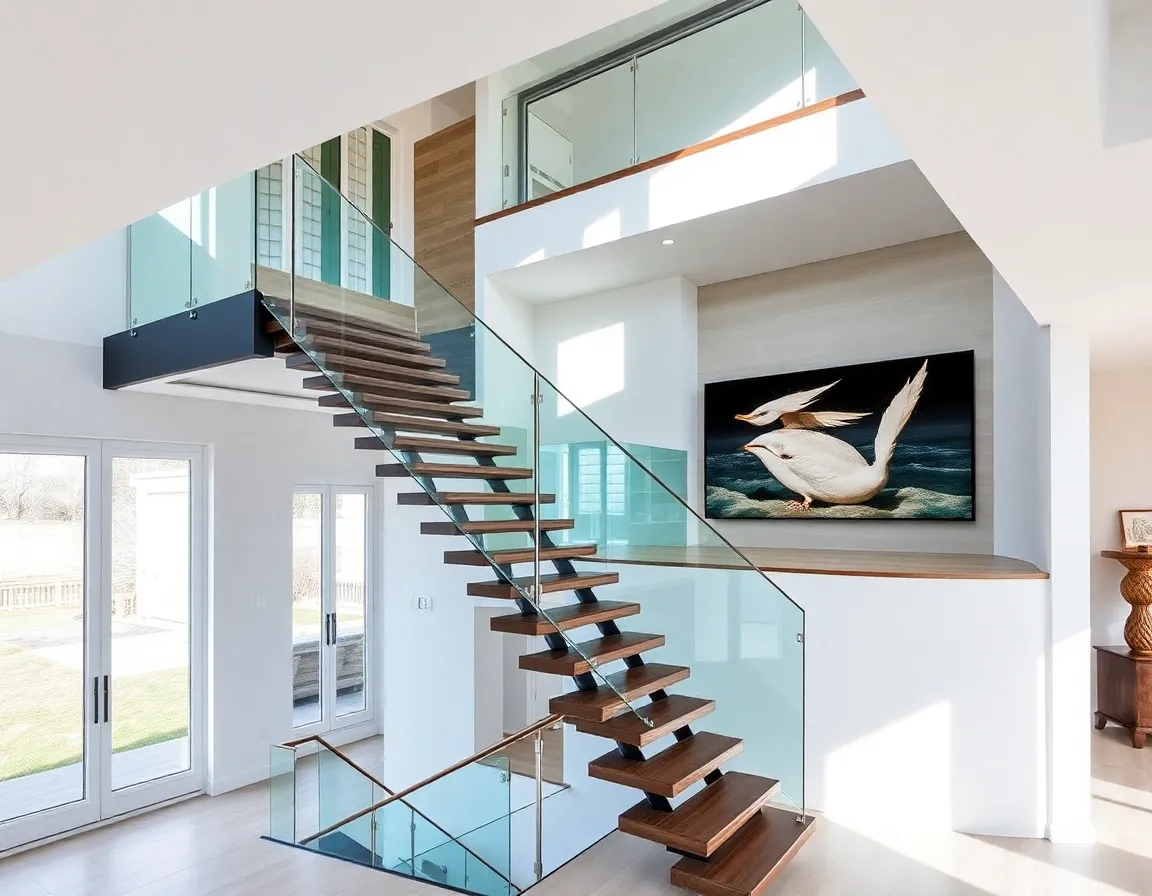
Staircase Design: The Centerpiece of Vertical Living
The staircase in a two-story home is both a functional necessity and a key design element. According to Houzz, homeowners are increasingly treating staircases as architectural focal points.
Popular staircase styles include:
- Straight: Space-efficient and easier to build
- L-shaped: Offers visual interest with a landing
- U-shaped: Compact with two landings
- Spiral: Dramatic but less practical for daily use
- Floating: Creates a modern, airy feel
Material options for staircases:
🔵 Budget-Friendly (under $50/step)
- Carpeted MDF treads
- Pine risers and treads
- Standard metal balusters
🟡 Mid-Range ($50-200/step)
- Hardwood treads with painted risers
- Wrought iron balusters
- Glass panel railings
🟢 Premium ($200+/step)
- Solid hardwood throughout
- Custom metalwork
- Stone or concrete treads
💡 Pro Tip: Consider the staircase location carefully—it affects traffic flow throughout the entire house. A centrally located staircase typically creates the most efficient circulation pattern.
Optimizing Flow Between Floors
Creating a cohesive flow between levels is crucial for a well-designed two-story home. This Old House recommends these strategies:
- Visual continuity: Use consistent flooring materials or complementary colors between levels
- Lighting coordination: Ensure light fixtures complement each other throughout the home
- Sightlines: Consider what’s visible from one floor to another, especially in open-concept designs
- Sound management: Incorporate sound-dampening materials to minimize noise transfer between floors
Structural and Mechanical Considerations
When designing a two-story house, several technical aspects require special attention:
- Load-bearing walls: Identify which walls support the upper floor and roof
- HVAC zoning: Consider separate heating and cooling zones for each floor
- Plumbing stacks: Align bathrooms vertically when possible to simplify plumbing
- Energy efficiency: Incorporate proper insulation between floors to improve thermal and acoustic performance
According to Family Handyman, proper HVAC zoning can save homeowners up to 30% on energy costs by allowing independent temperature control of each floor.
Room-by-Room Design Tips
First Floor Layout Strategies
The ground floor typically houses the main living areas and sets the tone for your entire home. Here are expert recommendations for key spaces:
Entryway
The entryway creates the first impression of your home. Design considerations include:
- Adequate width (minimum 5 feet for comfortable movement)
- Storage for coats, shoes, and bags
- Visual connection to main living areas
- Transition space between outdoors and indoors
Wayfair offers excellent entryway furniture options like the Zipcode Design Dunlap Hall Tree ($199) that combines seating, coat hooks, and shoe storage in a compact footprint.
Kitchen and Dining Areas
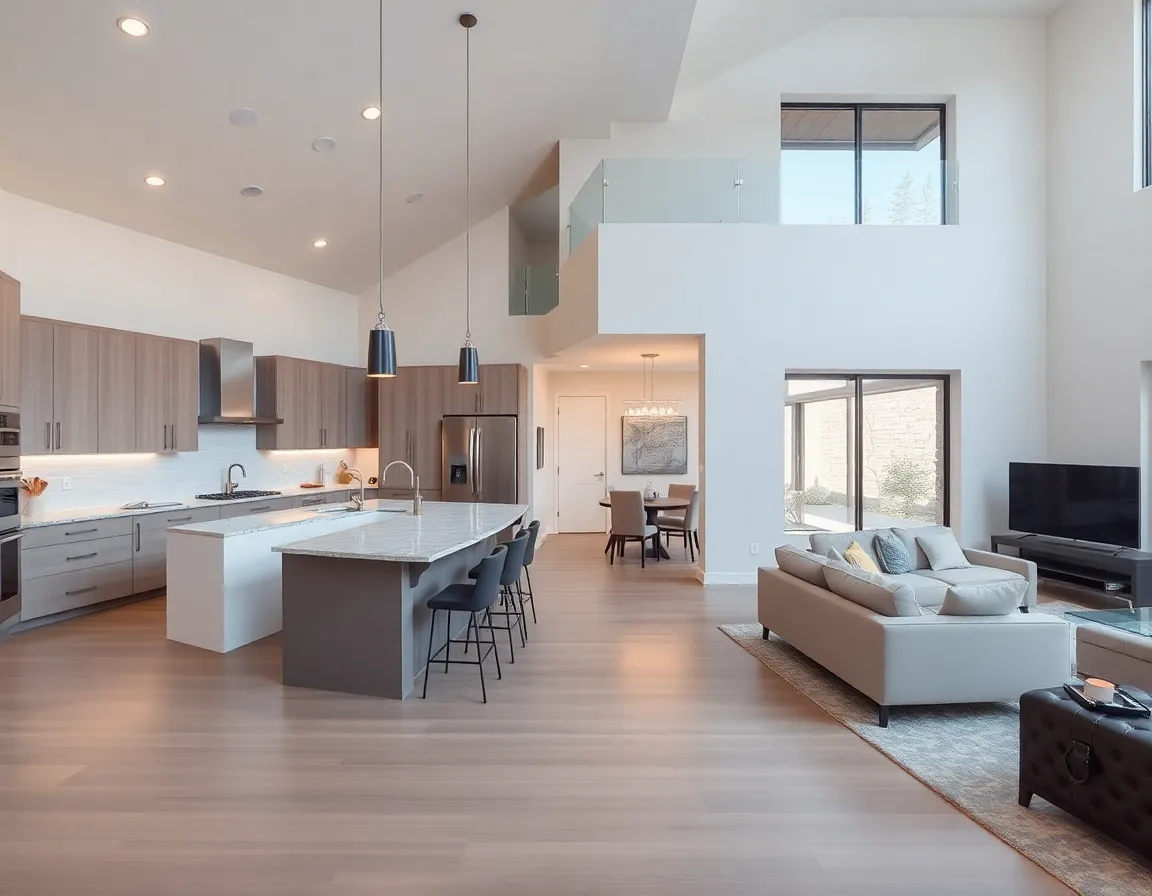
Modern two-story homes often feature open-concept kitchen and dining areas. Key considerations include:
- Island or peninsula with seating
- Connection to outdoor spaces when possible
- Adequate storage to maintain a clean look
- Sightlines to living areas for family monitoring
For kitchen design inspiration, IKEA offers affordable, customizable solutions that maximize space efficiency.
Living Room
The living room in a two-story home often features:
- Higher ceilings (9-10 feet minimum)
- Larger windows for natural light
- Potential for dramatic features like fireplaces or built-ins
- Consideration of furniture arrangement and traffic flow
West Elm provides excellent furniture options that blend comfort with style, perfect for two-story living spaces with architectural interest.
Second Floor Design Strategies
The upper floor requires thoughtful planning to ensure privacy, comfort, and functionality:
Master Suite
Your master suite should serve as a peaceful retreat:
- Position away from high-traffic areas
- Consider vaulted ceilings to create a sense of spaciousness
- Include a sitting area if space permits
- Design the bathroom with both function and luxury in mind
According to Elle Decor, the trend toward spa-like master bathrooms continues to grow, with features like freestanding tubs, walk-in showers, and double vanities topping homeowners’ wish lists.
Secondary Bedrooms
For children’s rooms and guest bedrooms:
- Minimum size of 10x10 feet for comfort
- Built-in storage to maximize floor space
- Consider future needs (children growing up, potential home office conversion)
- Shared bathrooms positioned for convenient access
Target offers affordable, stylish furniture and decor options for children’s bedrooms that can grow with your kids.
Special Design Features for Two-Story Homes
Double-Height Spaces
One of the most dramatic features in two-story homes is the double-height space, which:
- Creates visual impact and grandeur
- Improves natural light penetration
- Enhances the sense of spaciousness
- Provides opportunities for architectural details like chandeliers or exposed beams
💡 Pro Tip: When incorporating double-height spaces, consider the acoustics carefully. Soft furnishings, textiles, and acoustic panels can help manage sound reflection in these voluminous areas.
Balconies and Lofts
Interior balconies and loft spaces can add character to your two-story home:
- Overlooks from upper hallways into living spaces
- Reading nooks or mini-offices in loft areas
- Small sitting areas on interior balconies
- Opportunities for unique architectural details
Houzz showcases numerous examples of creative loft spaces that maximize the vertical potential of two-story homes.
Visualizing Your Two-Story Home Design
Before finalizing plans, it’s crucial to visualize your design. While traditional architectural drawings and 3D renderings are helpful, new technologies offer even more immersive options:
- Virtual reality walkthroughs: Experience your space before it’s built
- Augmented reality furniture placement: See how pieces fit in your rooms
- AI-powered design visualization: Generate multiple design concepts quickly
BrightShot stands out in this category by using artificial intelligence to create realistic visualizations of your space. Simply upload your floor plan and preferences, and BrightShot’s AI will generate custom interior designs tailored to your two-story home’s unique architecture.
Bringing Your Two-Story Home Design to Life
Once you’ve finalized your design, the implementation phase begins:
- Secure necessary permits and approvals
- Hire reputable contractors through services like Home Advisor
- Establish a realistic construction timeline
- Plan for temporary housing if needed
- Create a detailed procurement schedule for materials and fixtures
- Schedule regular site visits and inspections
- Prepare for the inevitable adjustments that arise during construction
💡 Pro Tip: Create a dedicated communication channel with your builder and design team. Apps like Buildertrend or CoConstruct can streamline updates, approvals, and document sharing throughout the construction process.
Conclusion: Your Dream Two-Story Home Awaits
Designing a two-story house is a complex but rewarding process that allows you to create a home perfectly suited to your needs and lifestyle. By thoughtfully considering layout, flow, structural elements, and special features, you can maximize the potential of vertical living.
Remember that visualization is key to successful design. Tools like BrightShot can help you see your ideas come to life before committing to final plans, potentially saving thousands in costly design revisions. With BrightShot’s AI-powered interior design platform, you can quickly generate multiple design concepts for each room in your two-story home, ensuring the final result matches your vision.
Ready to start designing your perfect two-story house? Visit BrightShot today to transform your ideas into stunning visual concepts that capture the full potential of your vertical space.
Whether you’re building from scratch or renovating an existing property, the principles in this guide will help you create a two-story home that’s beautiful, functional, and perfectly aligned with your lifestyle for years to come.